The reactive endpoint read live in the reactor - not titrated too late.
Epoxide equivalent weight, NCO content, residual monomer and cure state are what separate an on-spec reactive resin from scrap. Spectrally reads them inline - inside the reactor, continuously, without pulling a sample - from diagnostic Raman bands including the strong, isolated isocyanate NCO band near 2270 cm⁻¹. The probe stays in the reactor, so no one draws a manual diisocyanate sample.
One spectrum in. Five process values out.
Across epoxy, polyurethane-prepolymer and reactive-adhesive reactors, the batch decision reduces to a handful of composition and endpoint values - and the safety-critical ones still come back from the lab after the reaction has moved on. All five live in the Raman spectrum of the reaction mixture. Each is extracted by its own chemometric model, calibrated against your laboratory's reference values during feasibility, and the isocyanate NCO band near 2270 cm⁻¹ sits almost alone on the spectrum - a near-ideal Raman target.
Laser excitation at 785 nm, with a 1064 nm variant for strongly fluorescent media. Spectral range 300-1650 or 300-3500 cm⁻¹ at 8 cm⁻¹ resolution.
A single acquisition takes from 5 s. The batch trajectory becomes a live curve instead of the three to eight manual samples a plant pulls per batch.
AI/advanced chemometrics with a CNN core in Spectrally OS, trained on your epoxy or isocyanate matrix - the PLS/PCA benchmark it is measured against, not a generic library calibration.
Values arrive in the PLC / DCS over PROFIBUS and PROFINET. Every measurement is stored and exportable as CSV, PDF or raw spectra.
The parameters that decide whether a batch ships.
Each value is pulled straight from the Raman spectrum by a dedicated chemometric model. Select a parameter to see where it lives on the spectrum.
Epoxide equivalent weight - the epoxy endpoint, live in the reactor.
EEW is the master endpoint of an epoxy resin: it fixes the stoichiometry for the downstream cure and defines the grade. In most plants it is confirmed by an offline titration after the reaction has run. Spectrally reads it from the Raman spectrum while the batch is still correctable.
Why it decides the batch
EEW sets how much hardener the resin will take, and therefore the cure behaviour the customer sees. It is the number the epoxy grade is written around, and a drift in it carries straight into the crosslink density of the finished part.
How it is read today
By offline titration on a pulled sample, describing a reactor state the reaction has already left behind. The condensation does not pause for the result.
What reading it inline changes
EEW comes off the spectrum continuously, so the endpoint is steered on the measured value instead of a time-and-temperature schedule. The same probe carrying the residual and cure reads from the same instant in the batch.
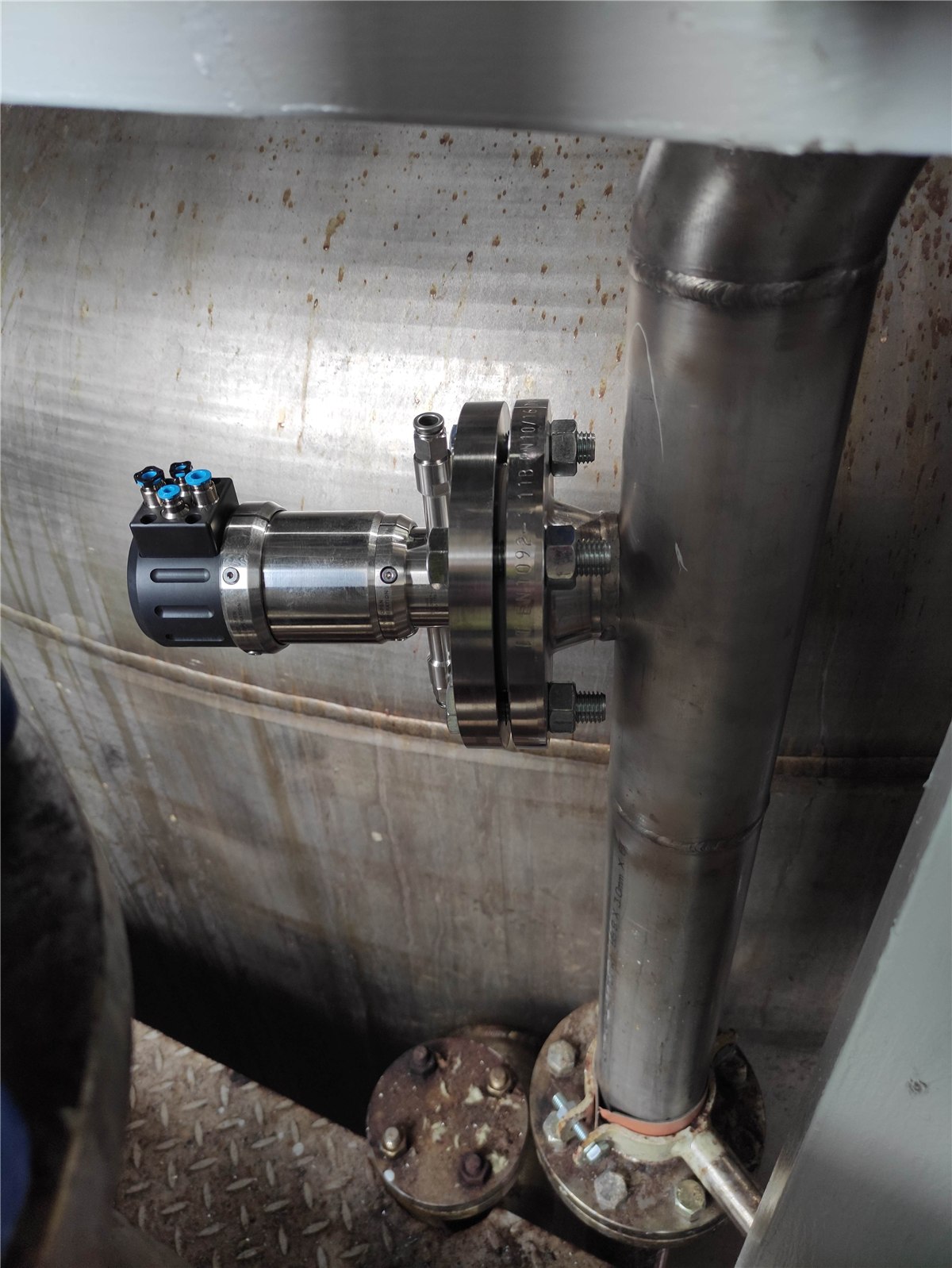
NCO content - from the strong, isolated band near 2270 cm⁻¹.
In PU prepolymers from TDI or MDI and polyol, NCO content and the R index (the NCO/OH ratio) are the critical quality attribute that sets the intermediate for foams, adhesives, elastomers and coatings. The isocyanate NCO band near 2270 cm⁻¹ is strong and isolated - a near-ideal Raman target - so Spectrally reads NCO content and the R index directly inline.
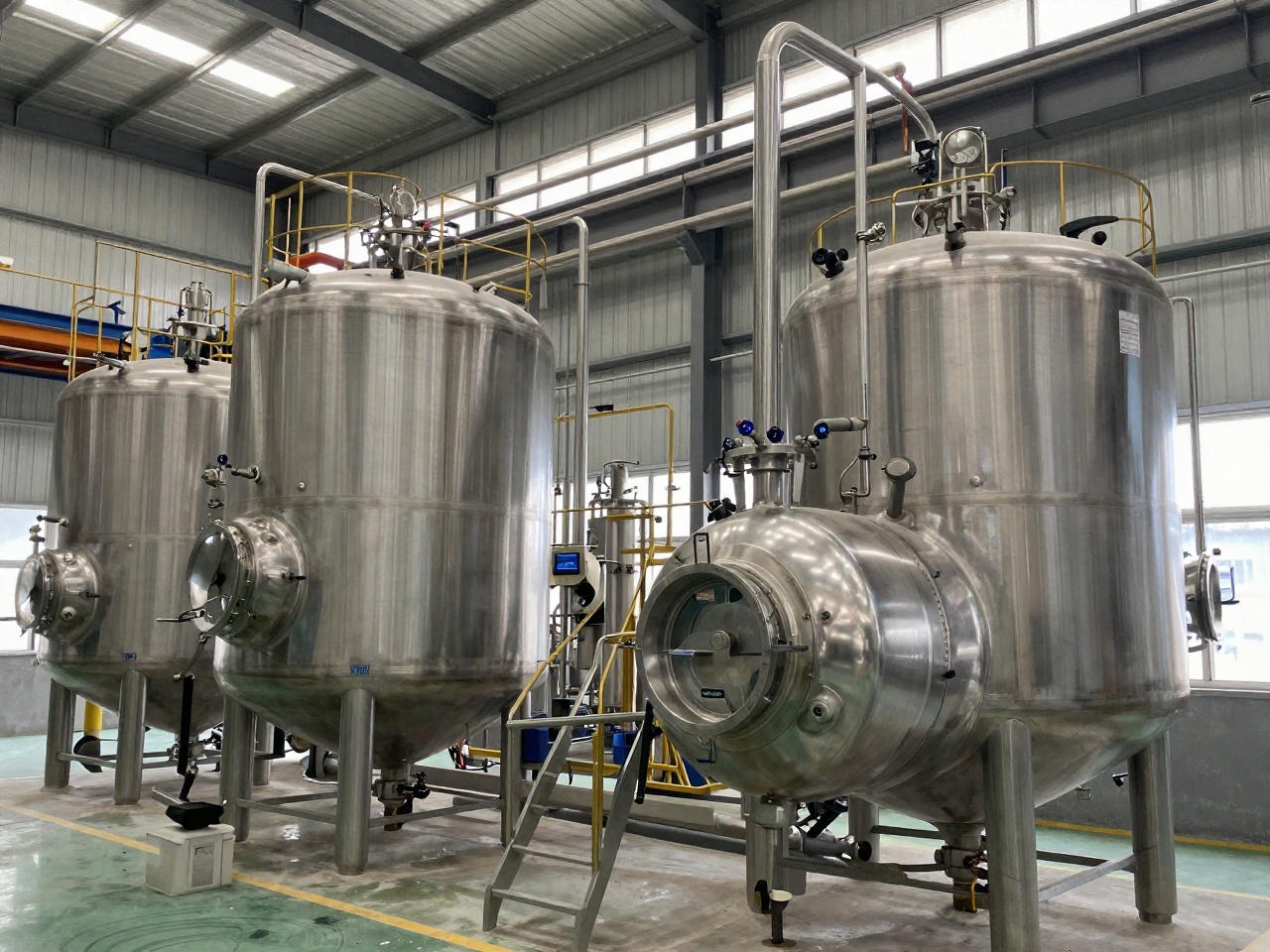
Why it decides the batch
NCO content and the R index decide the reactivity of the prepolymer and the properties of every product built from it. Prepolymer drift between batches shows up at the customer as inconsistent cure, so it is a specified, scrutinised value.
How it is read today
Di-n-butylamine titration at 20-40 min - manual, run in a fume hood by a trained operator, and each of the three to eight samples a plant pulls per batch is an exposure to TDI or MDI. NIR reads NCO from a less isolated band, and an inline viscometer gives only a reaction-progress proxy with no NCO content.
What reading it inline changes
NCO content and the R index read continuously from the 2270 cm⁻¹ band, and the appearance of a urea band near 1630 cm⁻¹ flags a breach of the reactor's dry atmosphere in real time. The probe stays in the reactor, so the manual diisocyanate sample is removed entirely.
Residual epichlorohydrin - a carcinogen, tracked continuously.
Epichlorohydrin is a reactant in epoxy manufacture and a carcinogen, restricted under REACH. Its residual level in the resin is safety-critical, and Spectrally tracks it continuously from the same Raman spectrum that carries the epoxy endpoint.
Why it decides the batch
Residual epichlorohydrin is a documented, restricted substance in the finished resin. It has to be held below a limit and documented for the safety dossier, which makes it both a quality gate and a compliance number.
How it is read today
Offline, on pulled samples, so the residual is confirmed after the batch rather than followed through it - and every pull is another handling step for a carcinogenic stream.
What reading it inline changes
The residual is tracked live from the spectrum, and each batch closes with a continuous, time-stamped record instead of a single post-batch sample - the composition evidence the REACH dossier rests on.
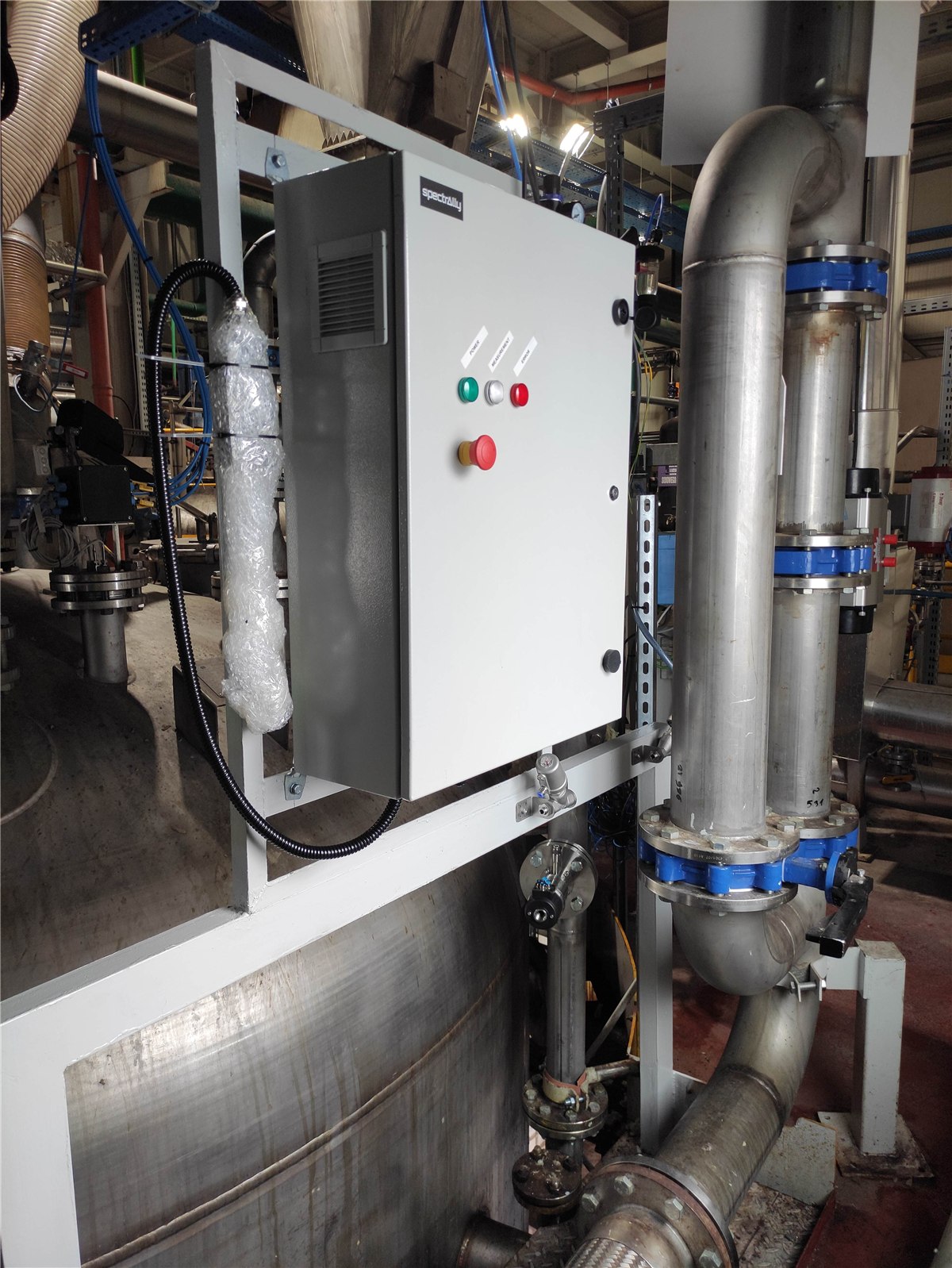
Residual isocyanate monomer - read inline, not waited on.
Free TDI and MDI monomer left in a prepolymer is among the most tightly regulated values in the process: the occupational limit for TDI is 0.02 mg/m³, among the lowest in the EU. Spectrally reads free monomer inline instead of waiting on a GC.
Why it decides the batch
Free diisocyanate monomer sets worker exposure and the compliance status of the product. Under EU Regulation (EU) 2020/1149, products at or above 0.1% diisocyanate carry mandatory safety training and documentation, so the residual monomer is a value the batch record has to carry.
How it is read today
By GC, offline, with the batch waiting on the result - and the sample itself drawn from a diisocyanate stream by hand.
What reading it inline changes
Free monomer is followed continuously from the spectrum, so it is verified in-process instead of after a GC slot, and the manual sampling exposure is removed with the probe staying in the reactor.
Cure state - crosslinking confirmed in-process.
In reactive hot-melts and adhesives, the cure is the crosslinking reaction that fixes the final properties. Spectrally confirms it in-process from the reaction mixture rather than inferring it from time and temperature.
Why it decides the batch
The degree of crosslinking is the finished property of a reactive adhesive or resin. Confirming it in-process, rather than reading a schedule of time and temperature, is what separates a controlled cure from an assumed one.
How it is read today
Inferred from the time-and-temperature profile, or characterised offline on a finished sample - after the reaction, describing a batch already made.
What reading it inline changes
The crosslinking chemistry is followed live from the same spectrum as the composition, so the cure is confirmed as it happens and documented as a continuous process record.
What comes off your critical path.
None of these methods disappears. They move from real-time gatekeeper to periodic verification - NCO titration and GC stay the reference methods - and the batch decision stops waiting for them.
See these parameters read on your own reactive resin.
Send representative samples or process data from your epoxy, PU-prepolymer or reactive-adhesive stream. We build and validate a chemometric model on your matrix and deliver the parameters inline Raman reads on your line - the spectra, the band assignments, the model metrics against your reference method (NCO titration, GC) and a clear result.