Three reactive-resin chemistries. One measurement layer.
Epoxy resins, polyurethane prepolymers and reactive adhesives - the reactive-resin chemistries this mini-site covers, and what Spectrally reads inline, in the reactor itself with no sample drawn, in each of them.
One measurement layer, from the epoxide endpoint to the isocyanate reactor.
Epoxy resins, polyurethane prepolymers and reactive adhesives run different chemistries, but they share one blind spot: the reactive endpoint that defines the batch comes back from an offline titration or a GC 20 to 40 minutes after a sample leaves the line - and for isocyanates that sample is itself an exposure to TDI or MDI. Spectrally X1 INLINE puts one Raman measurement layer across all of it. An immersion probe reads the medium where it reacts (inline - in the reactor itself, no sample drawn), a chemometric model per matrix turns the spectrum into numbers, and the result - epoxide equivalent weight, NCO%, the R index and cure state - reaches your PLC or DCS in about 5 seconds. The probe stays in the reactor, so no one draws a manual diisocyanate sample.
The reaction endpoint is the epoxide equivalent weight (EEW); residual epichlorohydrin, a carcinogenic reactant, is safety-critical and tracked continuously. Both read from the same Raman spectrum.
Built from TDI or MDI and a polyol. NCO% reads off the strong, isolated band near 2270 cm⁻¹ and the R index inline; the urea band near 1630 cm⁻¹ flags a dry-atmosphere breach. The manual diisocyanate sample is removed.
Reactive hot-melts and adhesives where the cure state has to be confirmed in-process rather than inferred from time and temperature.
EEW for epoxy, NCO% and the R index (the NCO/OH ratio) for prepolymers - measured in the reactor instead of inferred after the batch.
Epoxy resins: the epoxide endpoint, read live in the reactor.
Epoxy resins are defined by the epoxide equivalent weight (EEW) - the reaction endpoint that fixes cure stoichiometry downstream. Residual epichlorohydrin, a carcinogenic reactant, is the safety-critical residual that has to stay controlled. Both live in the same Raman spectrum, read where the resin reacts.
From an offline titration to a live epoxide endpoint.
EEW today is an offline titration and residual epichlorohydrin a gas-chromatography run - both drawn from the reactor and read at the lab bench, after the reaction has moved on. The probe reads the resin where it forms:
- Epoxide equivalent weight (EEW), the reaction endpoint, read live in the reactor instead of by an offline titration
- Residual epichlorohydrin, the safety-critical carcinogenic residual, tracked continuously
- The condensation endpoint read from the same spectrum, so the batch stops on a measured value
Epoxy media film and cure on optical windows, so the self-cleaning probe retracts, rinses and returns between reads to hold the signal through a full campaign. The ATEX / IECEx Zone 0 build runs on the 30 mW laser for solvent-bearing reactors.
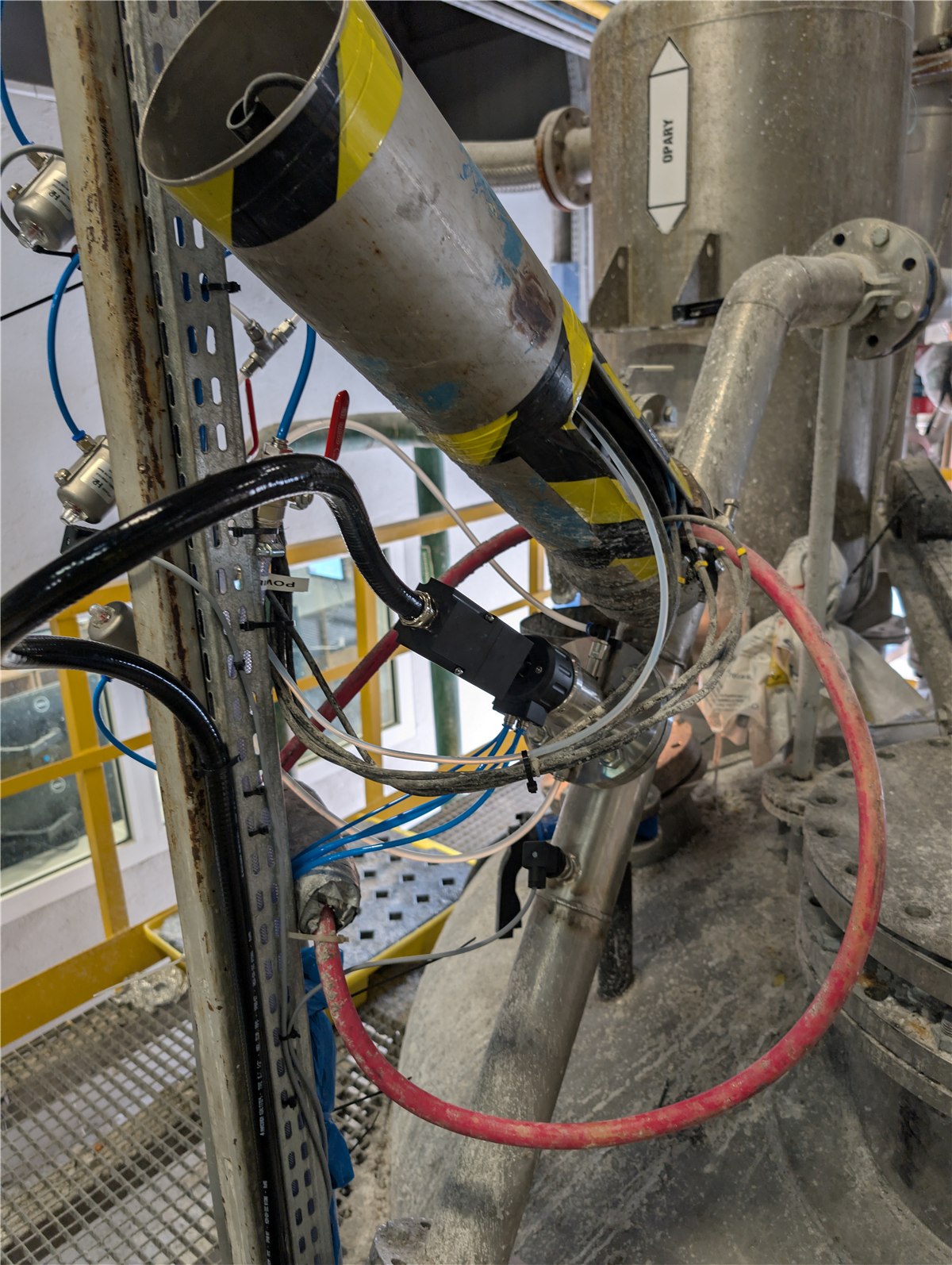
What comes off the epoxy critical path
PU prepolymers: NCO% off an isolated band, and the manual sample gone.
Polyurethane prepolymers are built from TDI or MDI and a polyol - the intermediate for foams, adhesives, elastomers and coatings. The R index (the NCO/OH ratio) is the critical quality attribute, and the isocyanate NCO band near 2270 cm⁻¹ is strong and isolated, a near-ideal Raman target.
NCO% and the R index, read where the diisocyanate would be sampled.
NCO% today is a di-n-butylamine titration at 20 to 40 minutes per sample - manual, run in a fume hood by a trained operator, and every draw is an exposure to TDI or MDI. The probe reads the reaction where it runs:
- NCO% from the strong, isolated Raman band near 2270 cm⁻¹ - prepolymer drift caught between batches
- The R index (the NCO/OH ratio), continuously through the reaction
- The urea band near 1630 cm⁻¹ as a real-time alarm on a breach of the reactor's dry atmosphere
The probe stays in the reactor 24/7, so no operator draws a manual TDI or MDI sample - the exposure step is removed, not reduced. Free isocyanate monomer reads inline in the same acquisition instead of waiting on a GC, and the ATEX / IECEx Zone 0 build runs on the 30 mW laser.
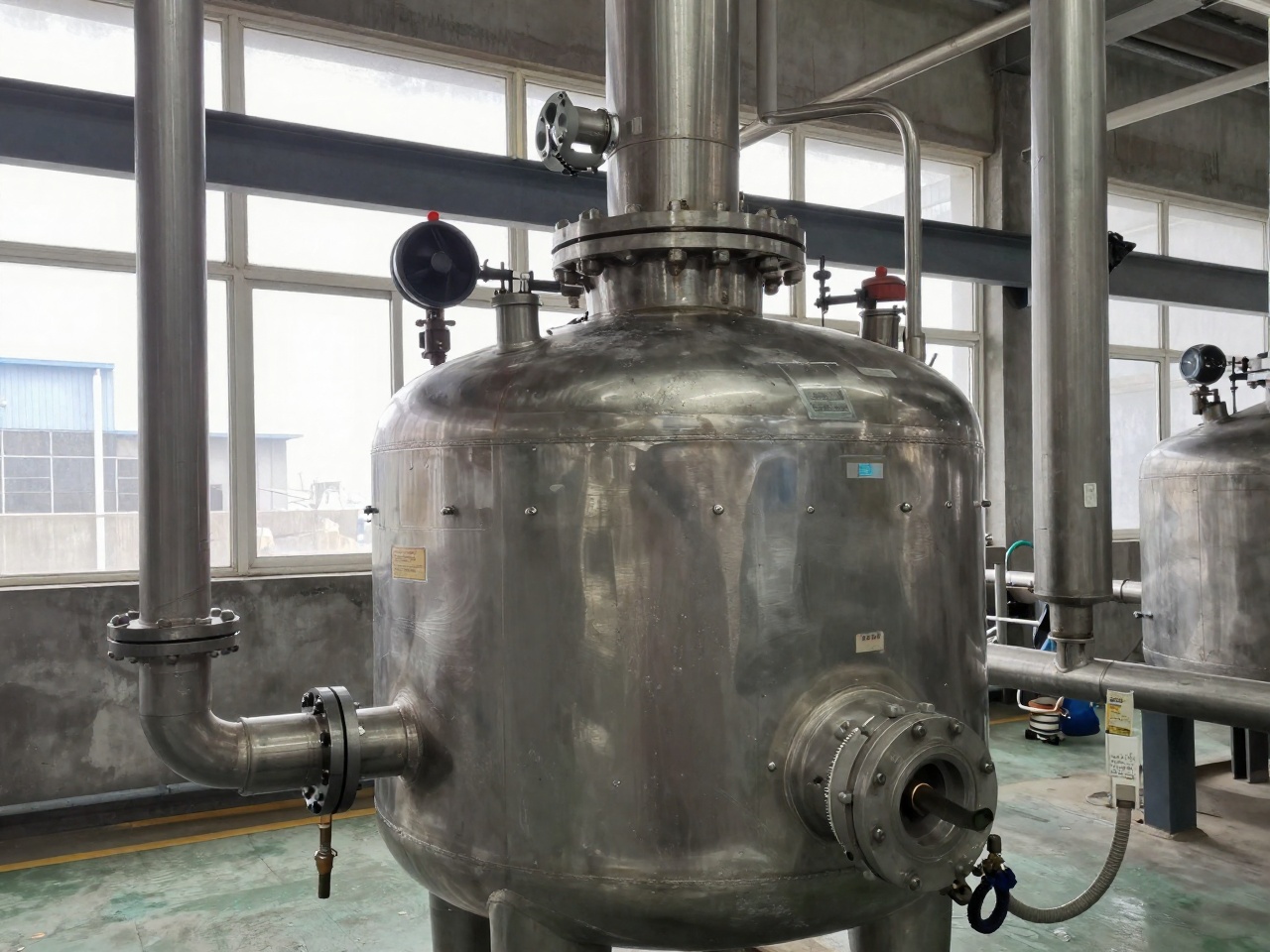
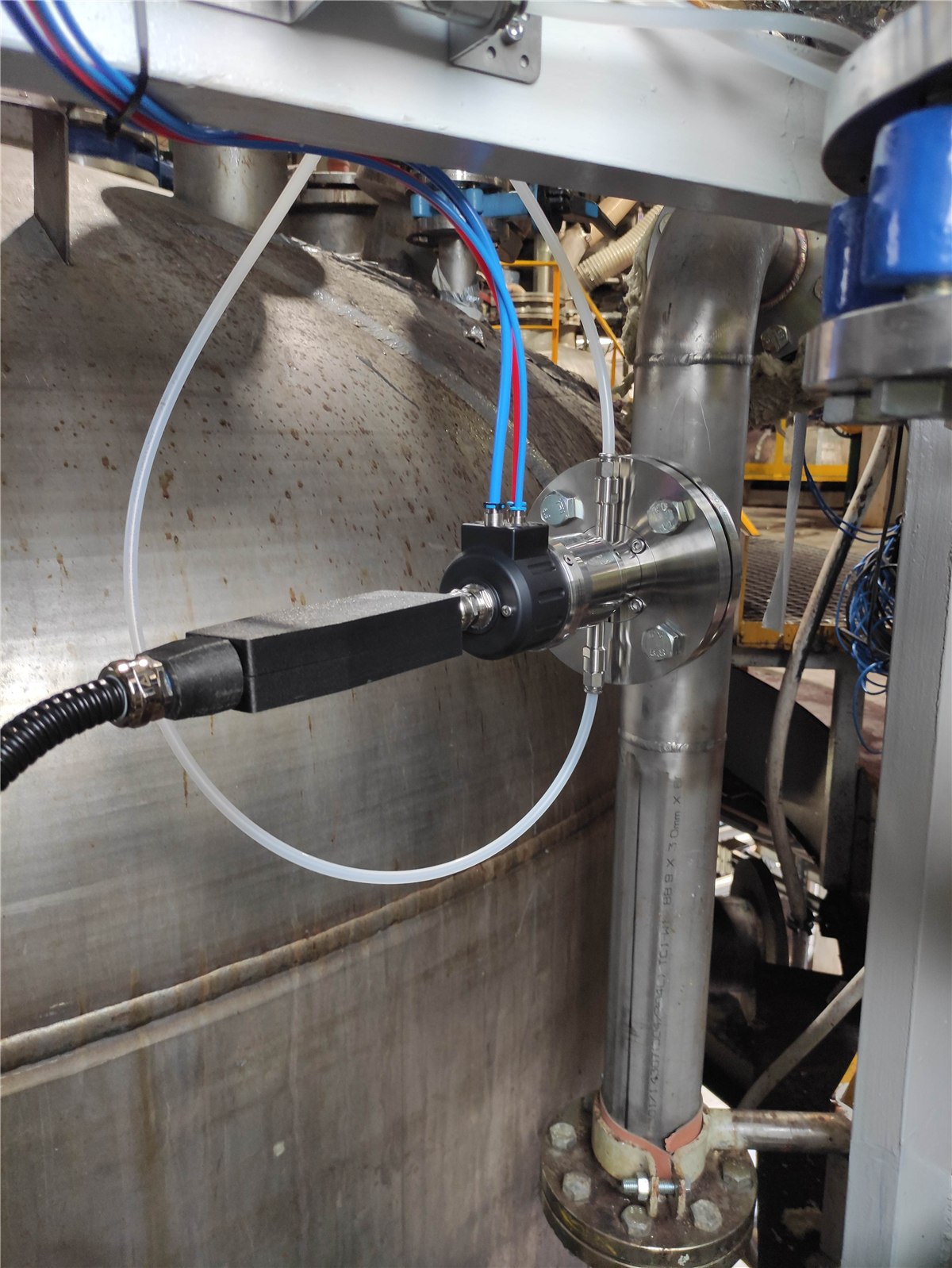
NCO read off a near-ideal Raman band
The numbers that define a prepolymer batch map onto strong, specific Raman bands - the isocyanate NCO band near 2270 cm⁻¹ is one of the cleaner targets in vibrational spectroscopy, so NCO% and the R index read directly and continuously inline, and the urea band near 1630 cm⁻¹ flags an atmosphere breach in real time. The feasibility study on your reactor delivers the validated model and the numbers on your matrix.
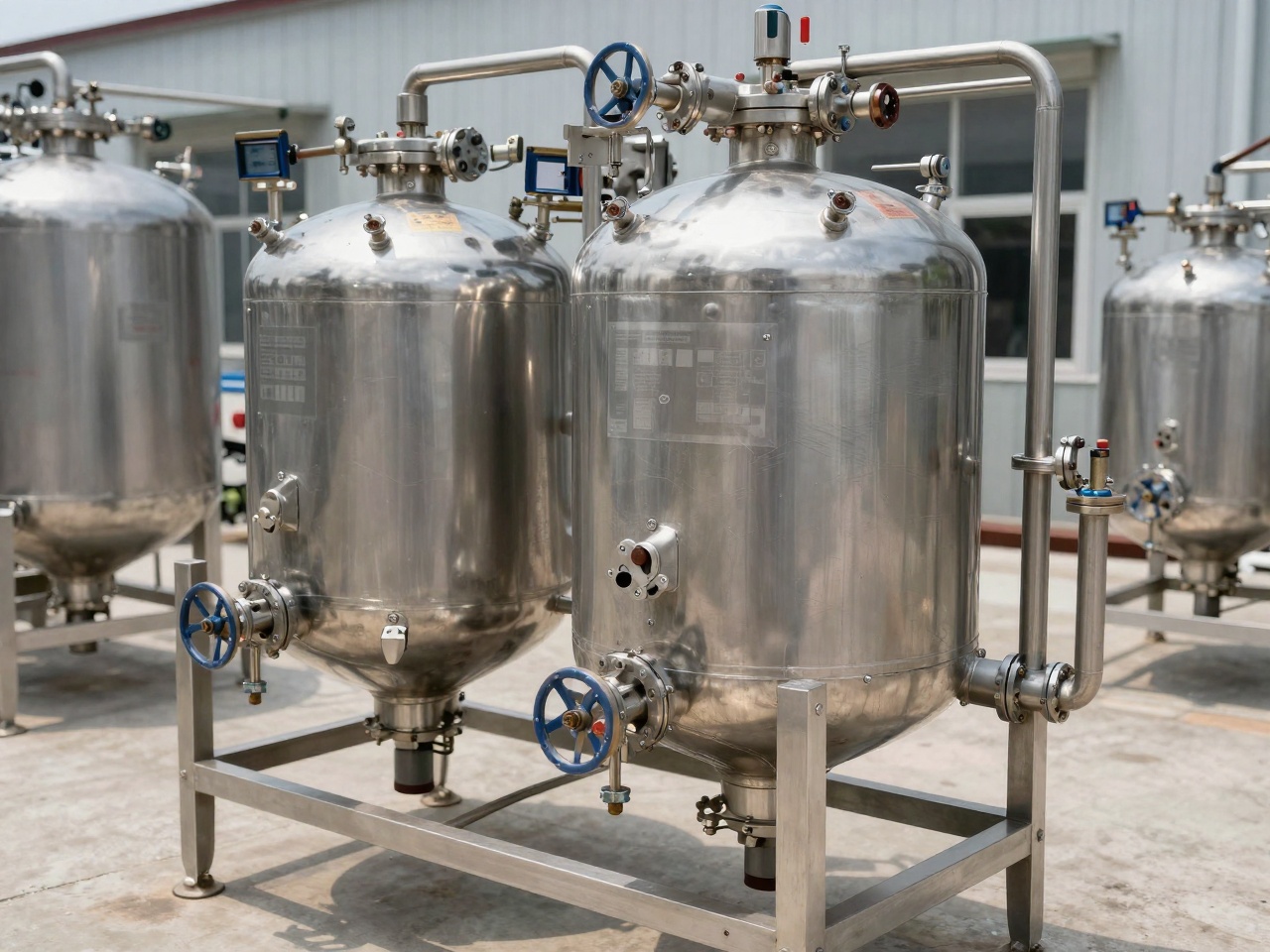
The manual diisocyanate sample, removed
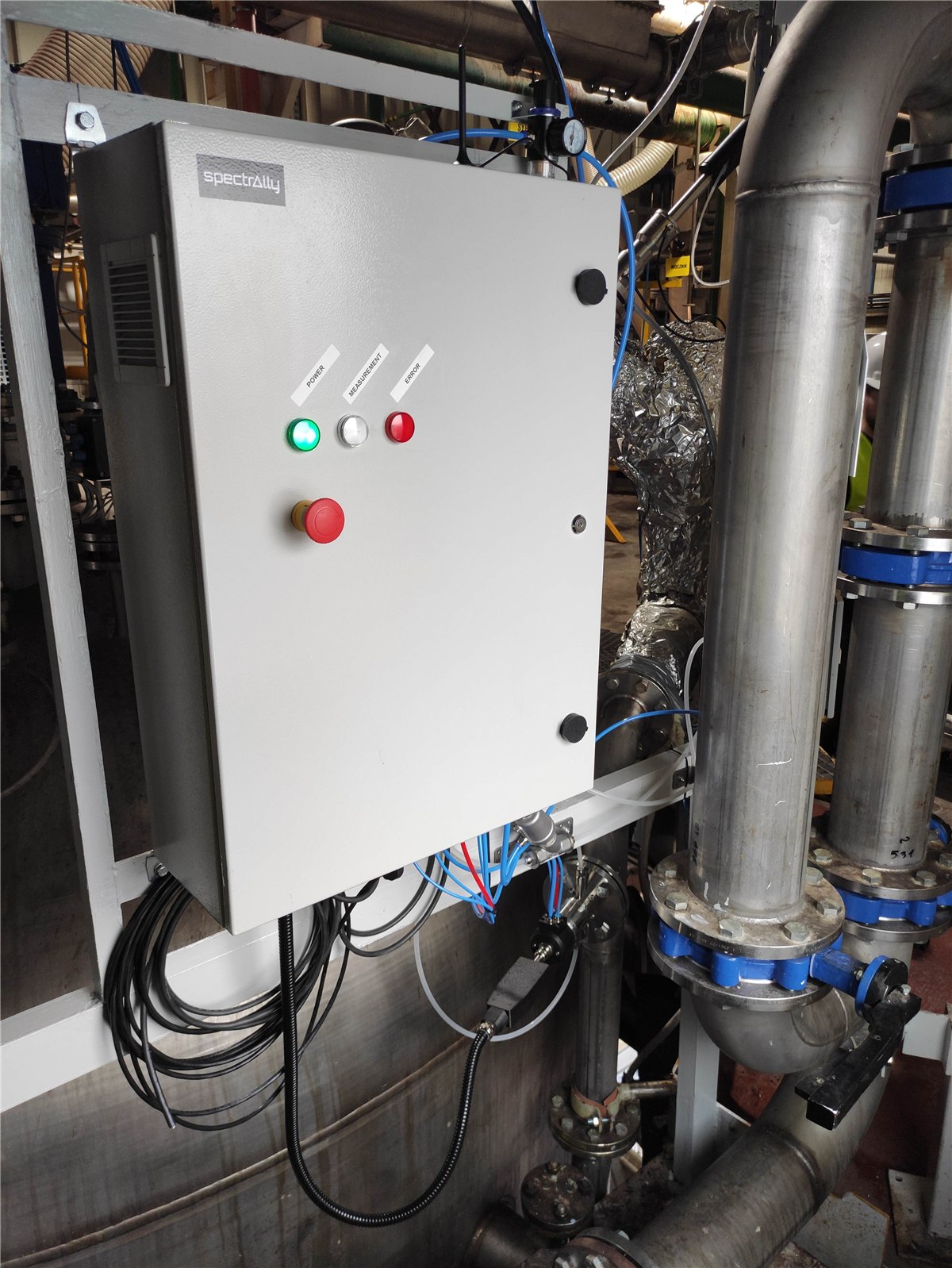
A plant takes 3 to 8 manual diisocyanate samples per batch, each an exposure to TDI or MDI - substances with among the lowest occupational limits in the EU, the TDI limit at 0.02 mg/m³. With the probe in the reactor the sampling step is removed entirely, and the same inline record documents composition per batch. An EHS and a compliance win in one.
A closed loop, documented on the platform
On phenol-formaldehyde resins - a reactor chemistry running on the same Spectrally platform - a European producer closed the endpoint loop inline with a self-cleaning reactor probe: roughly 6.5 months payback, about 180,000 EUR saved a year, raw-material losses down 10%, production waste down 12% and batch-to-batch variability held under 1.5%. Cited here as the Phenol-formaldehyde resins reference point.
What comes off the PU / isocyanate critical path
Reactive adhesives: cure confirmed in-process, not inferred.
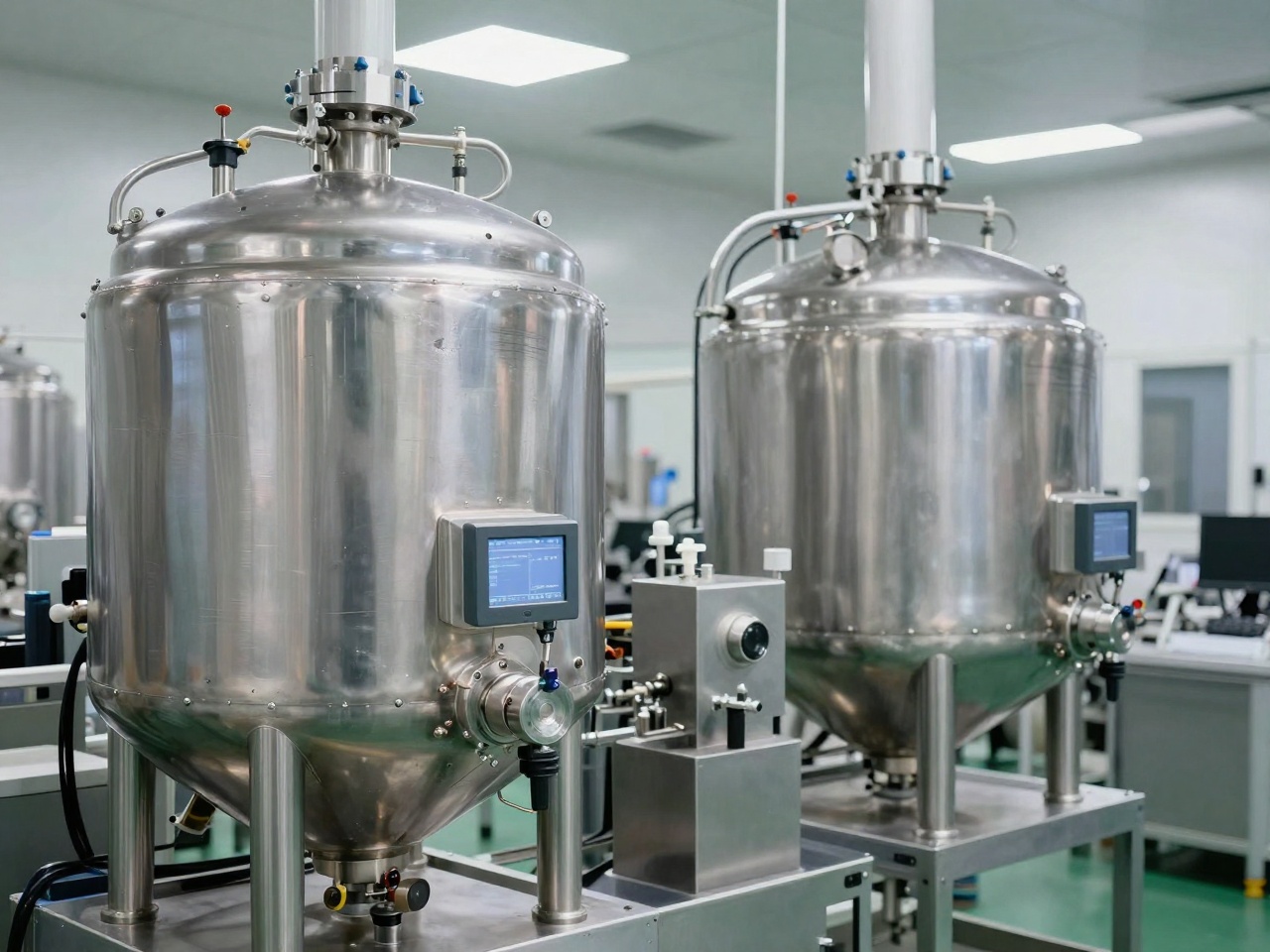
Reactive hot-melts and adhesives cure by crosslinking, and today that cure is usually inferred from a time and temperature schedule or judged offline once the batch is done. Raman follows the reaction itself, in the reacting medium.
Cure state read from the spectrum, not from a schedule.
The probe reads the crosslinking chemistry where it happens, so the endpoint is a measured value rather than a clock margin:
- Cure state and crosslinking, confirmed in-process from the reacting bands
- For isocyanate-cured reactive systems, residual NCO followed at the band near 2270 cm⁻¹
- The cure endpoint read from the spectrum instead of a time-and-temperature recipe
The same immersion probe and the same analyzer carry this chemistry - only the chemometric model changes, built and validated on your matrix during feasibility.
What comes off the reactive-adhesive critical path
Three chemistries. The same instrument, the same workflow.
Every reactor above is measured by the same platform: a Spectrally X1 PROBE in the vessel, the Spectrally X1 INLINE analyzer up to 100 m away by fiber, and Spectrally OS turning spectra into process values over PROFIBUS and PROFINET. What changes per chemistry is the chemometric model - built and validated on your matrix during the feasibility study.
One probe family across resins
316L immersion probe, IP67, ATEX / IECEx Zone 0 versions on the 30 mW laser, up to 16 bar, -40 to +125 °C, pH 2-10 continuous. Reactive resins film and cure on optics, so the self-cleaning module retracts and rinses the window between reads - a genuine strength on this family.
A dedicated model per matrix
AI / advanced chemometrics with a CNN core in Spectrally OS, trained on your recipes against laboratory reference values - the benchmark it is measured against is PLS / PCA. The isolated NCO band near 2270 cm⁻¹ is a near-ideal target, and models update without stopping the line.
Values, not spectra, in the control room
NCO%, the R index, EEW and cure state arrive as ordinary process tags over PROFIBUS / PROFINET. Every measurement is stored and exportable - CSV, PDF or raw spectra - as a per-batch record for the EHS and compliance dossier.
Epoxy, PU prepolymers / isocyanates and reactive adhesives - one measurement layer.
The isocyanate NCO band - strong and isolated, a near-ideal Raman target.
A single Raman acquisition takes from 5 seconds.
Di-n-butylamine NCO titration at the top of its range - off the critical path, and the operator exposure with it.
Start with your own reactive chemistry.
Send representative samples from your epoxy, polyurethane-prepolymer or reactive-adhesive process. We build and validate a chemometric model on your matrix in the Gekko lab and report exactly what inline Raman reads on your line - NCO%, the R index, epoxide equivalent weight, cure state - before any hardware decision.