One measurement layer across nitrogen fertilizers and DEF/AdBlue.
Urea, UAN/RSM, DEF/AdBlue and biuret share one blind spot: composition is known minutes to an hour after the sample leaves the line. Spectrally X1 INLINE reads all of them inline - directly in the process line, without sampling - in about 5 seconds, with a chemometric model built per matrix.
One measurement layer, from urea melt to AdBlue in the tank.
The nitrogen family turns on one molecule. Urea is the master variable that feeds both liquid fertilizer (UAN/RSM) and diesel exhaust fluid (AUS 32 / AdBlue), with biuret as the by-product that limits both, and ammonium thiosulfate (ATS) as the sulfur neighbor next door. Every stream shares the same gap: composition is known minutes to over an hour after the sample leaves the line - refractometry reads total dissolved solids in 2-3 minutes but cannot separate urea from ammonium nitrate; Kjeldahl total nitrogen takes 60-90 minutes; biuret by GC takes 40-60. Spectrally X1 INLINE puts one Raman measurement layer across all of it. A probe in the pipeline or mixer, a chemometric model per matrix, values in your control system in about 5 seconds.
Bosch-Meiser synthesis from ammonia and CO₂. The master variable and the raw material for both RSM and AUS 32. Urea concentration read inline per batch and at dosing.
Urea and ammonium nitrate in water. The two carriers and solution homogeneity resolved inline against a narrow declared %N spec.
32.5% urea in deionized water for Euro VI SCR. Urea concentration and homogeneity verified inline to the ISO 22241 window (32.5% ±0.7%).
Thermal condensation by-product of urea, toxic to plants from 0.5%. Tracked inline so operators correct before it crosses the CE limit.
Liquid nitrogen fertilizer: two carriers, one narrow spec.
UAN (RSM) is a solution of urea and ammonium nitrate in water, 28-32% N, widely applied to soil as a liquid fertilizer. The declared %N is a regulated label under Reg (EU) 2019/1009, and any deviation from it is a customer claim. Refractometry and densitometry read total dissolved solids only - they cannot separate urea from ammonium nitrate, so the composition behind the number stays invisible until the lab reports.
Urea and ammonium nitrate, resolved while the batch mixes.
The offline routine leaves the two carriers unresolved: refractometry gives total solids in 2-3 minutes, ammonium-nitrate titration in 20-30 minutes, Kjeldahl total nitrogen in 60-90. Feedstock fluctuations propagate straight into the blend. The probe reads the solution where it mixes:
- Urea concentration and ammonium nitrate concentration as distinct Raman bands
- Solution homogeneity across the batch and through tanker / IBC filling
- Total nitrogen against the declared %N, continuously
Raman suits these clear aqueous streams: water is a weak Raman scatterer, so the nitrogen bands stand out where FT-IR is blinded by water absorption. No sample preparation, and the read holds across 20-60 °C and pH 1-12.
Nitrate read directly, repeatably
On aqueous effluent from an ammonium-nitrate producer, nitrate was identified directly on its isolated band near 1044 cm-1 (the v₁ symmetric stretch), with a repeatability standard deviation around 0.0004 a.u. by direct band integration. About one minute per read.
Ammonium via a chemometric model
The ammonium N-H bands are masked by the broad water O-H signal and are not directly observable in the current configuration. A chemometric model on ammonium-nitrate standards (N-NH₄⁺ 2.01-10.76%) predicted ammonium nitrogen at high R² with a mean prediction error around 0.069% across the standard range. The nitrogen chemistry transfers directly to UAN/RSM.
Total nitrogen against the declared label
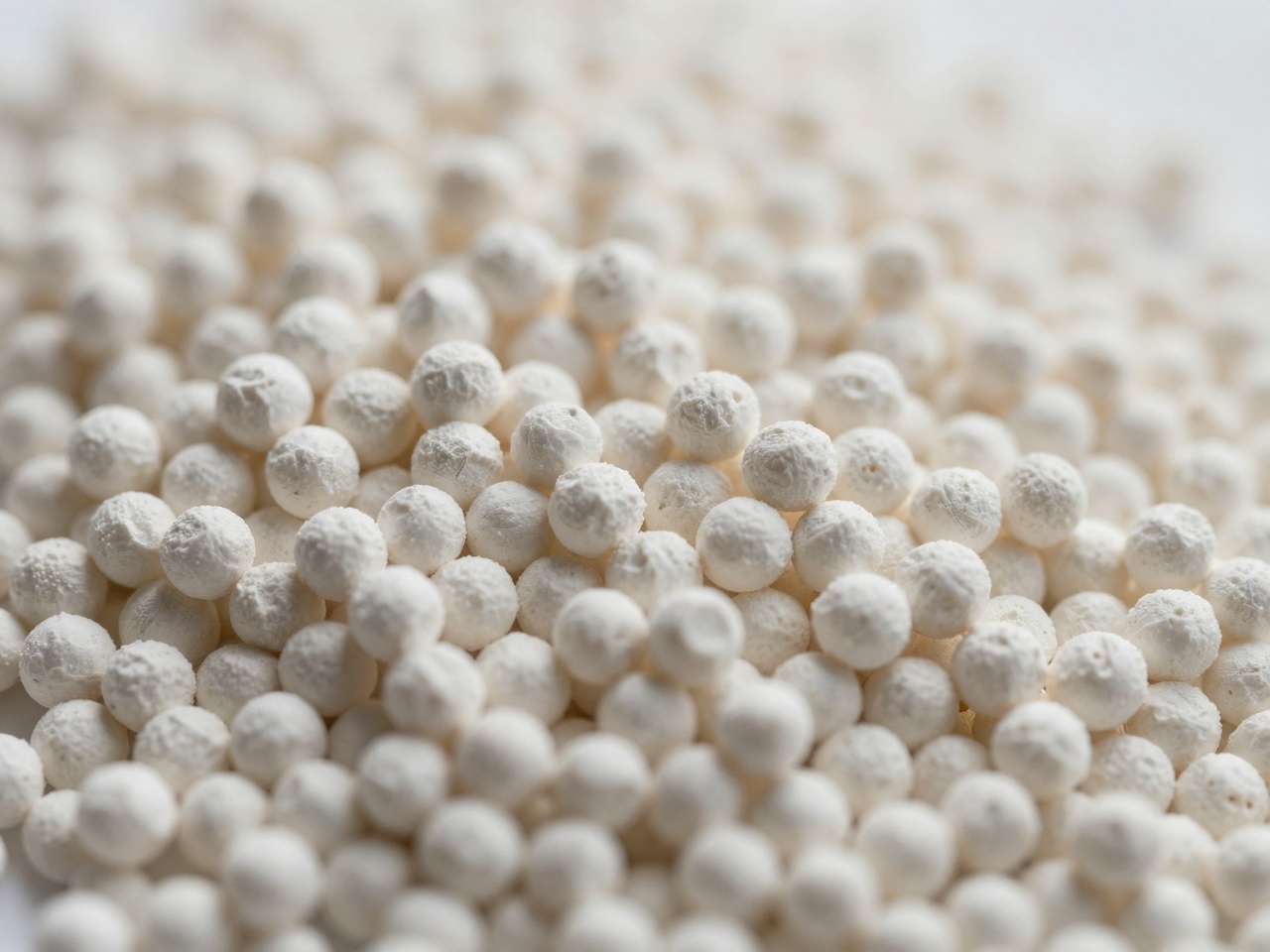
On fertilizer granules measured in native form with no sample prep, total nitrogen correlated with the nitrate band near 1050 cm-1 at R = 0.91 on raw data, best descriptor peak area. Positive feasibility, ahead of the full chemometric-model stage.
What comes off the UAN / RSM critical path
Urea: the concentration that sets everything downstream.
Urea (46% N), made Bosch-Meiser from ammonia and CO₂, is the highest-volume nitrogen fertilizer worldwide and the raw material for both RSM and AUS 32 / AdBlue. Its concentration in the dosed solution is the master variable: it decides the final composition of the fertilizer and the emissions fluid built on it. Granule quality - moisture, biuret, hardness - varies by batch and by supplier.
One measured value instead of a certificate you trust.
Refractometry reads total dissolved solids in 2-3 minutes but cannot distinguish urea from ammonium nitrate and sees no biuret; Kjeldahl total nitrogen takes 60-90 minutes. The probe reads urea concentration directly, per batch and at dosing:
- Urea concentration in the melt or solution, continuously
- Biuret trend in the same read - the quality limit tracked below
- Dosing corrected on the measured value, not on the supplier certificate
Because water scatters Raman weakly, the urea band is read cleanly in aqueous solution with no sample preparation, so the same probe covers both the synthesis reactor and the dosing line.
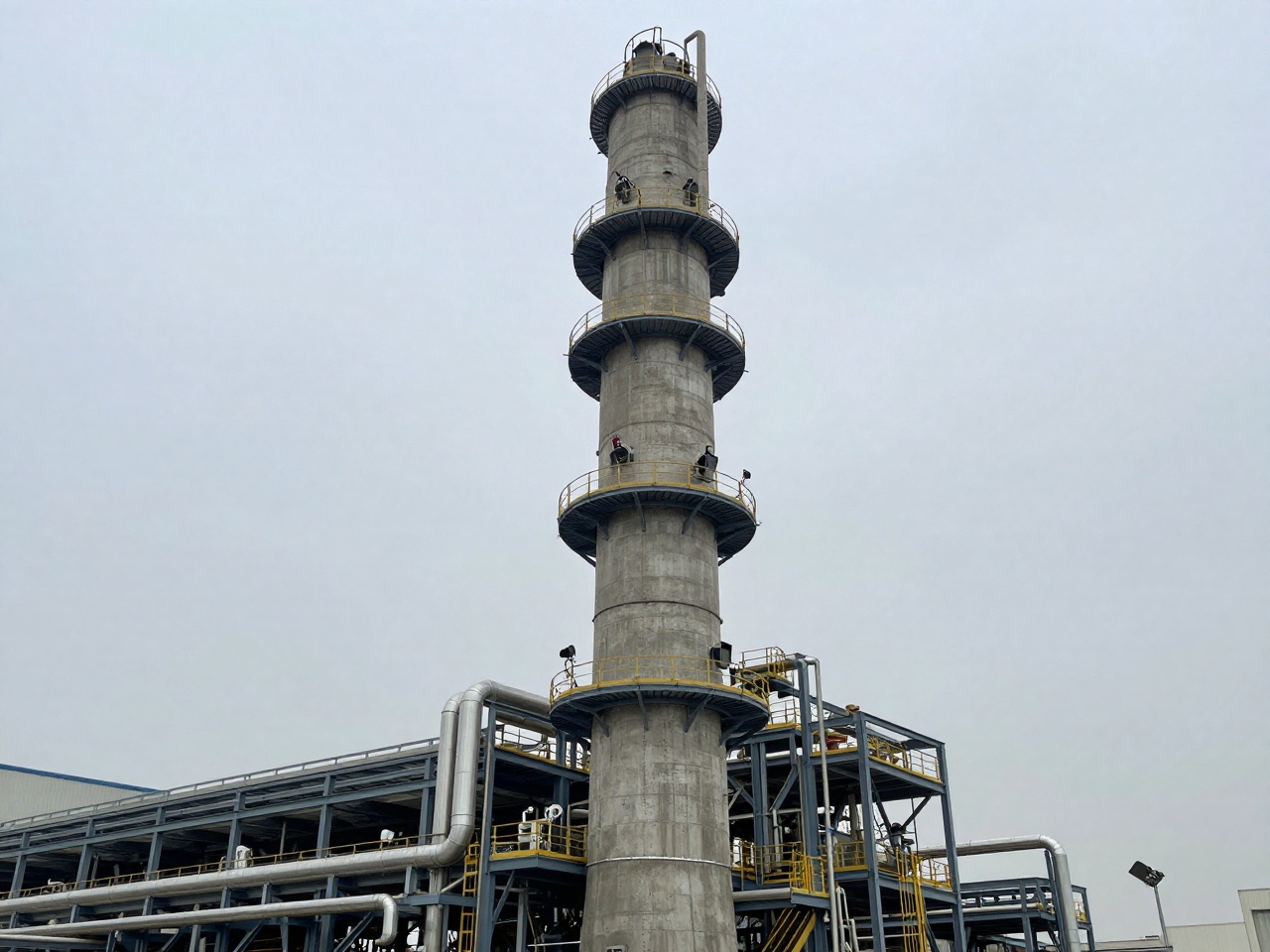
Diesel exhaust fluid: the ISO 22241 window, verified every batch.
AdBlue (AUS 32) is a 32.5% solution of urea in deionized water that feeds Euro VI SCR to cut NOx. Urea concentration has to sit inside the ISO 22241 window every batch - off-spec fluid degrades the SCR catalyst and carries producer liability. Per-batch and per-tanker / IBC homogeneity is the control problem.
Composition inline, with an honest boundary on trace metals.
The common in-plant control, refractometry, reads urea concentration in 2-3 minutes and nothing else; inline conductometry is a proxy; biuret by ion chromatography takes 20-30 minutes. Spectrally reads composition where the fluid flows:
- Urea concentration against the ISO 22241 target, continuously
- Homogeneity per batch and through tanker / IBC filling
- Biuret trend without the offline loop
Raman verifies composition; it does not replace trace-metal measurement. Iron, calcium and sodium at ISO 22241 limits stay with ICP / AES. Spectrally covers the composition side and leaves the metals boundary explicit.
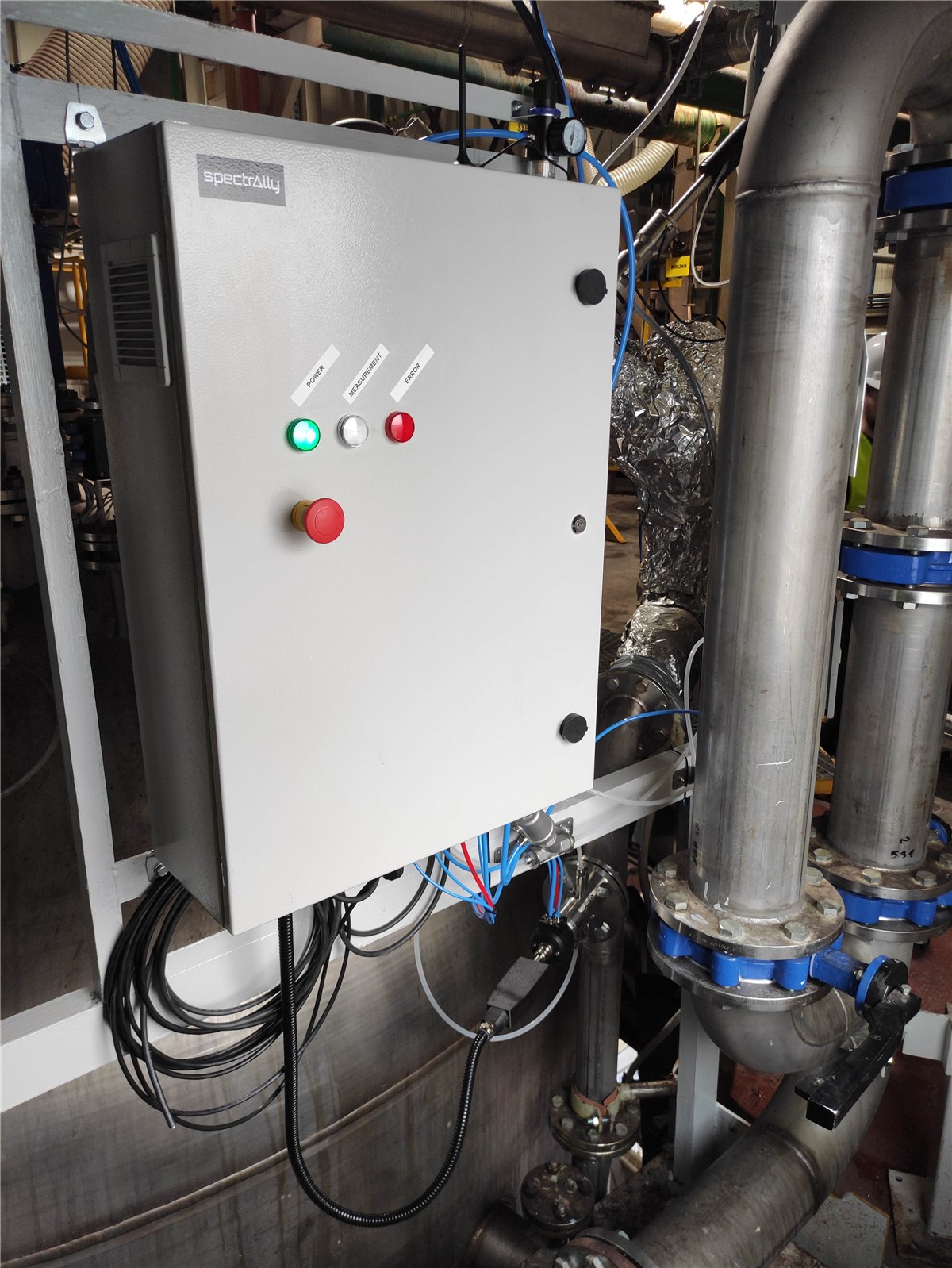
What comes off the DEF / AdBlue critical path
The by-product that limits the batch - and the sulfur neighbor beside it.
Biuret forms when two urea molecules condense above 135 °C in the reactor. It is toxic to plants from 0.5%, blocks the urease enzyme, and must stay below 1% in fertilizer urea and 0.5% in RSM for CE compliance. Ammonium thiosulfate (ATS, 12% N + 26% S) is the sulfur fertilizer and nitrification inhibitor that runs alongside - the neighbor family, measured on the same layer.
Early trend, before the batch goes off-spec.
Offline biuret is slow - GC at 40-60 minutes, HPLC at 20-30, DMAB colorimetric titration at 15-20 - so a rising level is confirmed long after the reactor has made it. Read inline during urea production and RSM mixing, the trend is visible while operators can still correct it:
- Biuret concentration inline during synthesis and mixing
- Early deviation trend against the <1% urea / <0.5% RSM limits
- No manual sampling of hot, concentrated urea streams
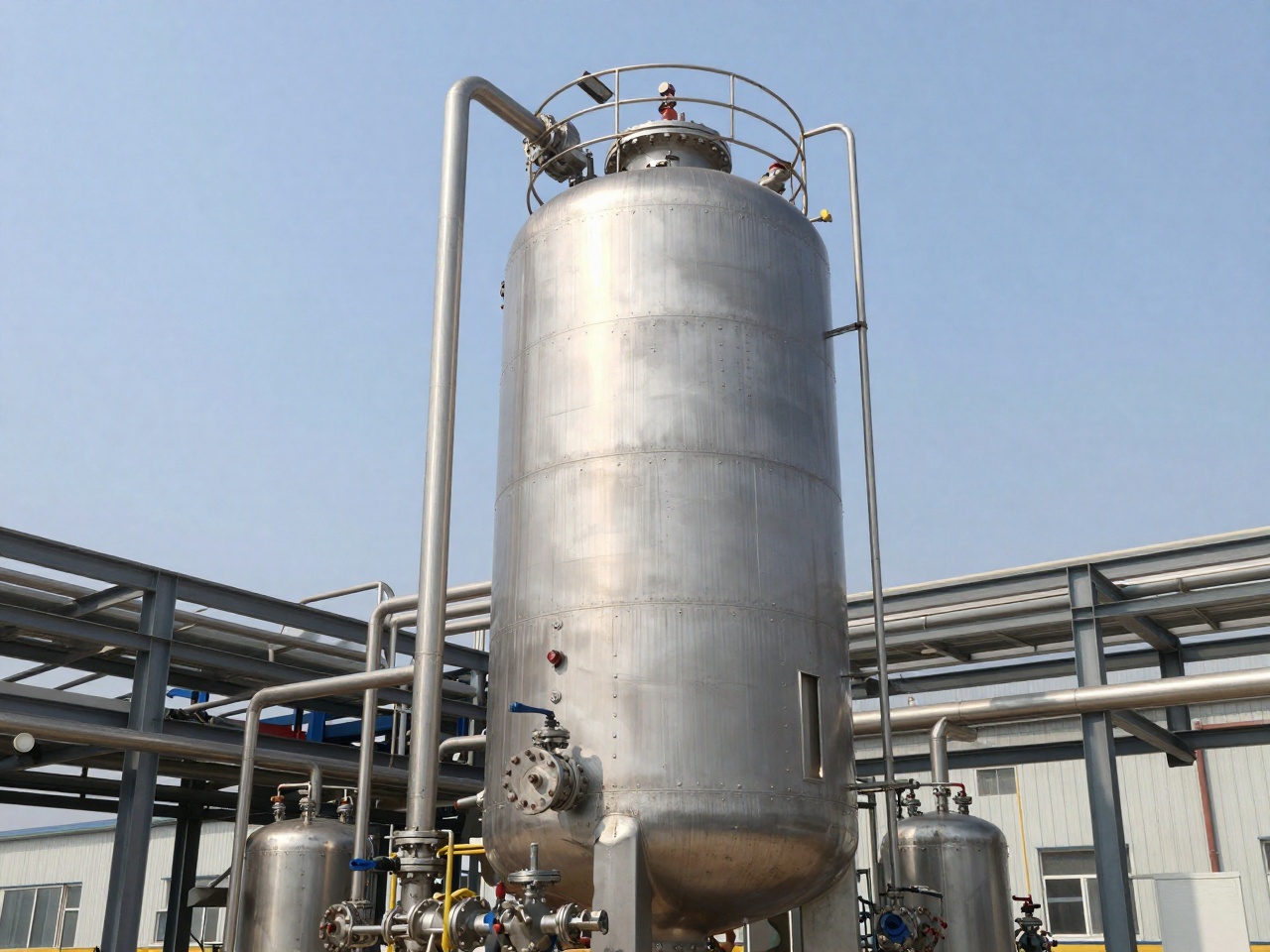
Sulfur fertilizer: concentration and N/S ratio, inline.
ATS composition offline runs on iodometric titration (20-30 min) or ion chromatography (30-60 min). As a UAN additive or standalone product, its concentration and N/S ratio have to hit spec or the result is customer complaints and CE problems. Measured inline:
- Thiosulfate concentration and solution homogeneity
- The N/S ratio against the product spec
- The neighbor family carried on the same probe and analyzer
ATS is the M3 family - covered here to show the same layer reaches the streams next door, not to detail it.
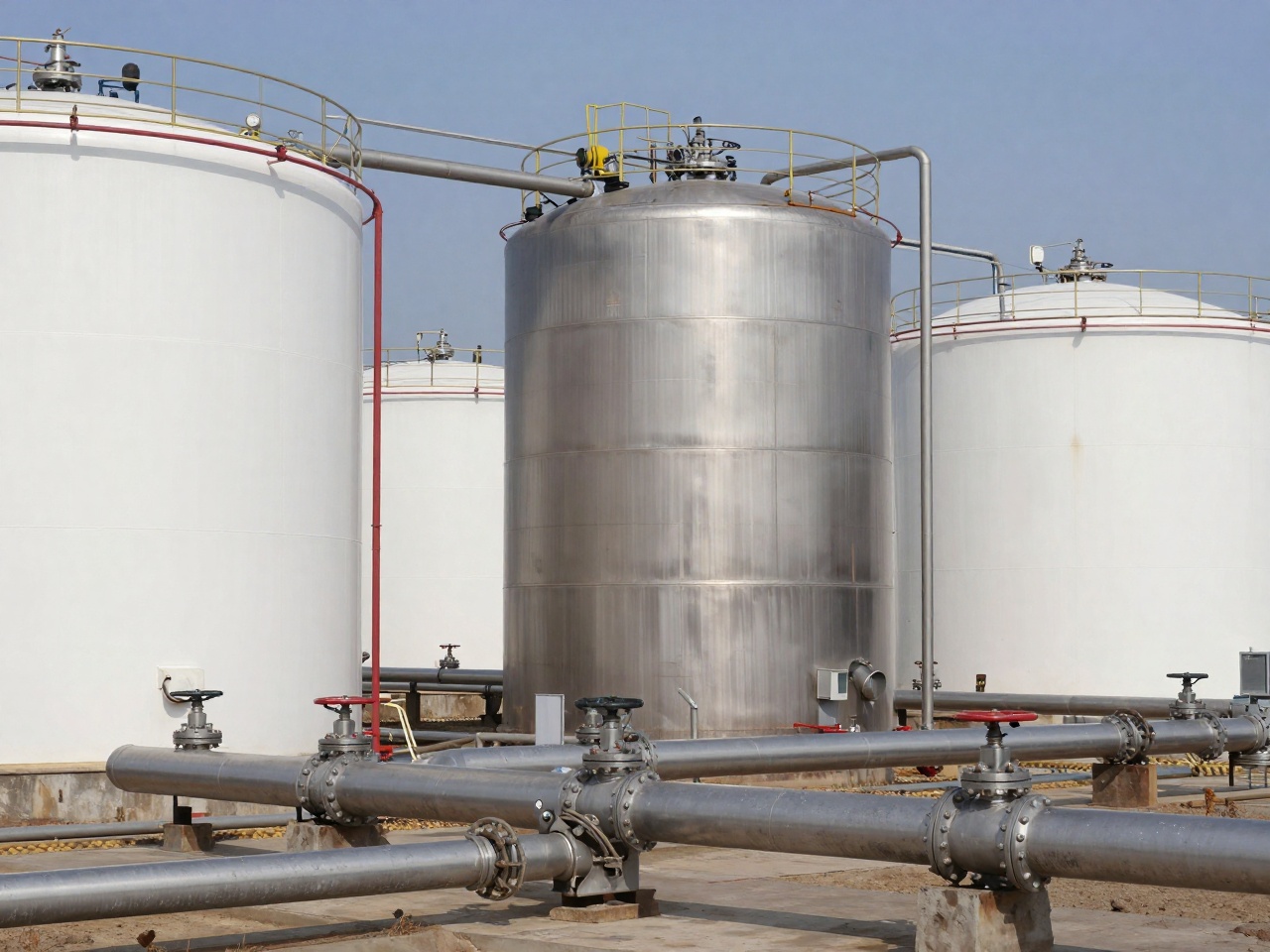
What comes off the by-product & neighbor critical path
Different chemistries. The same instrument, the same workflow.
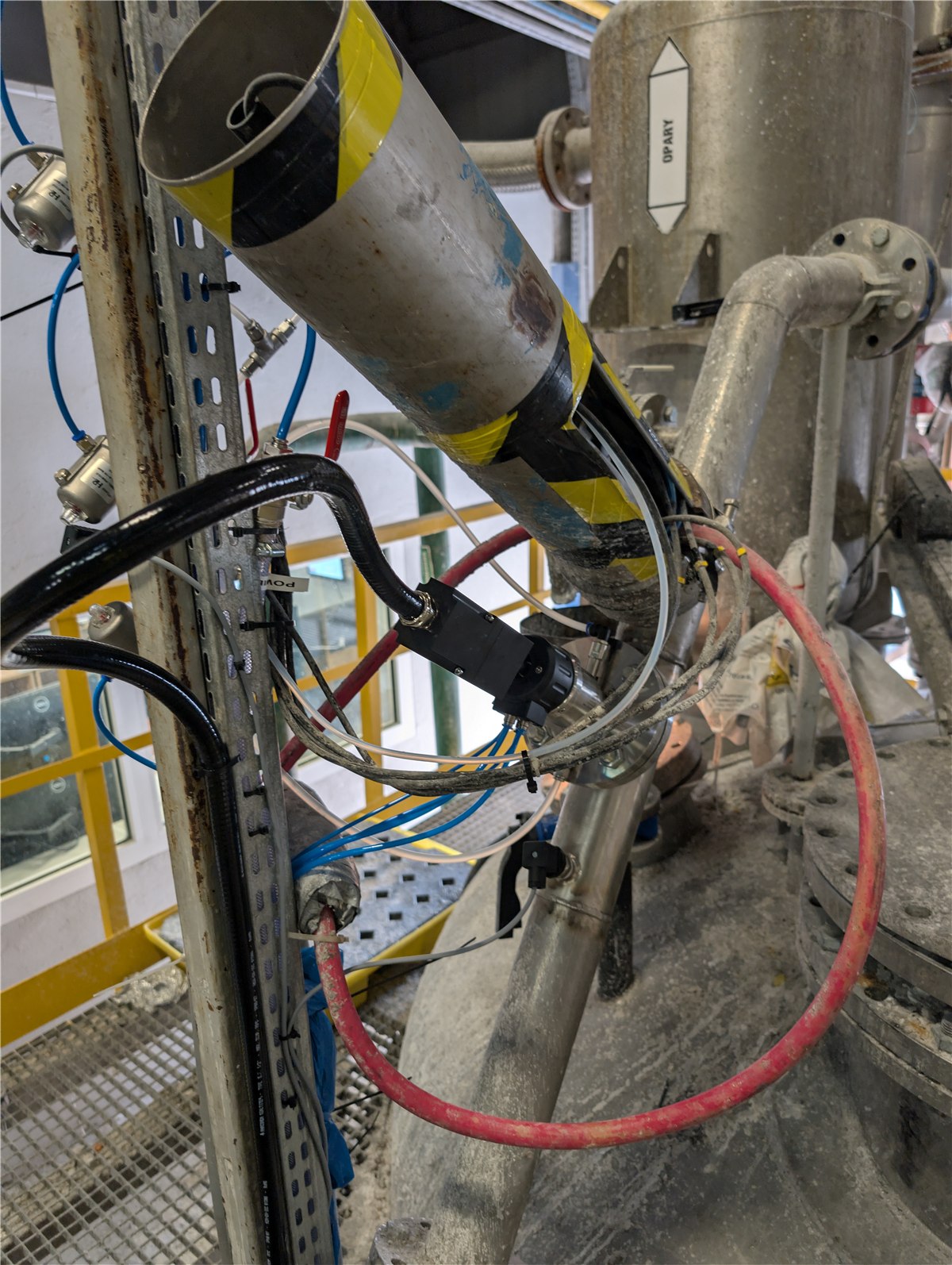
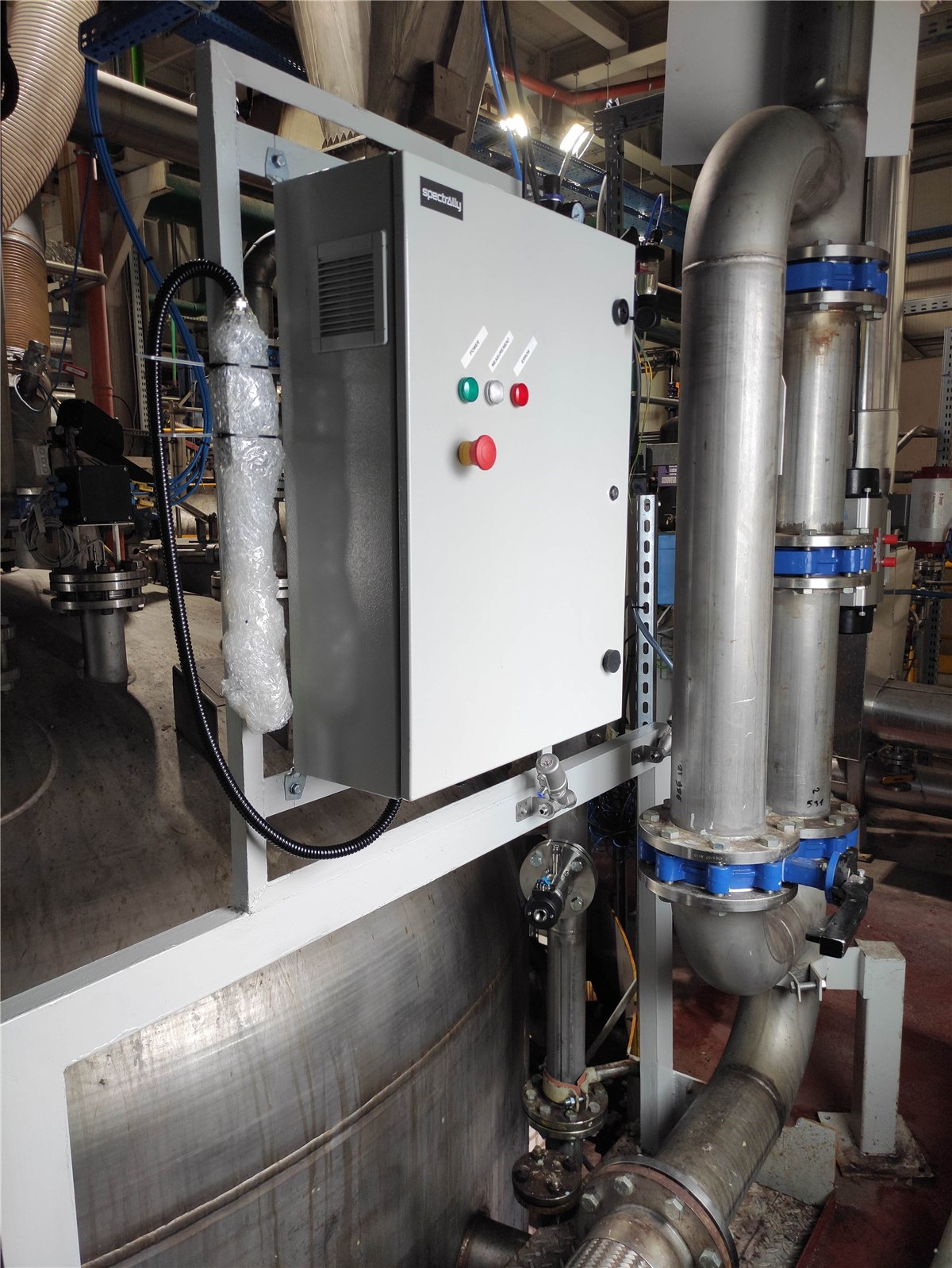
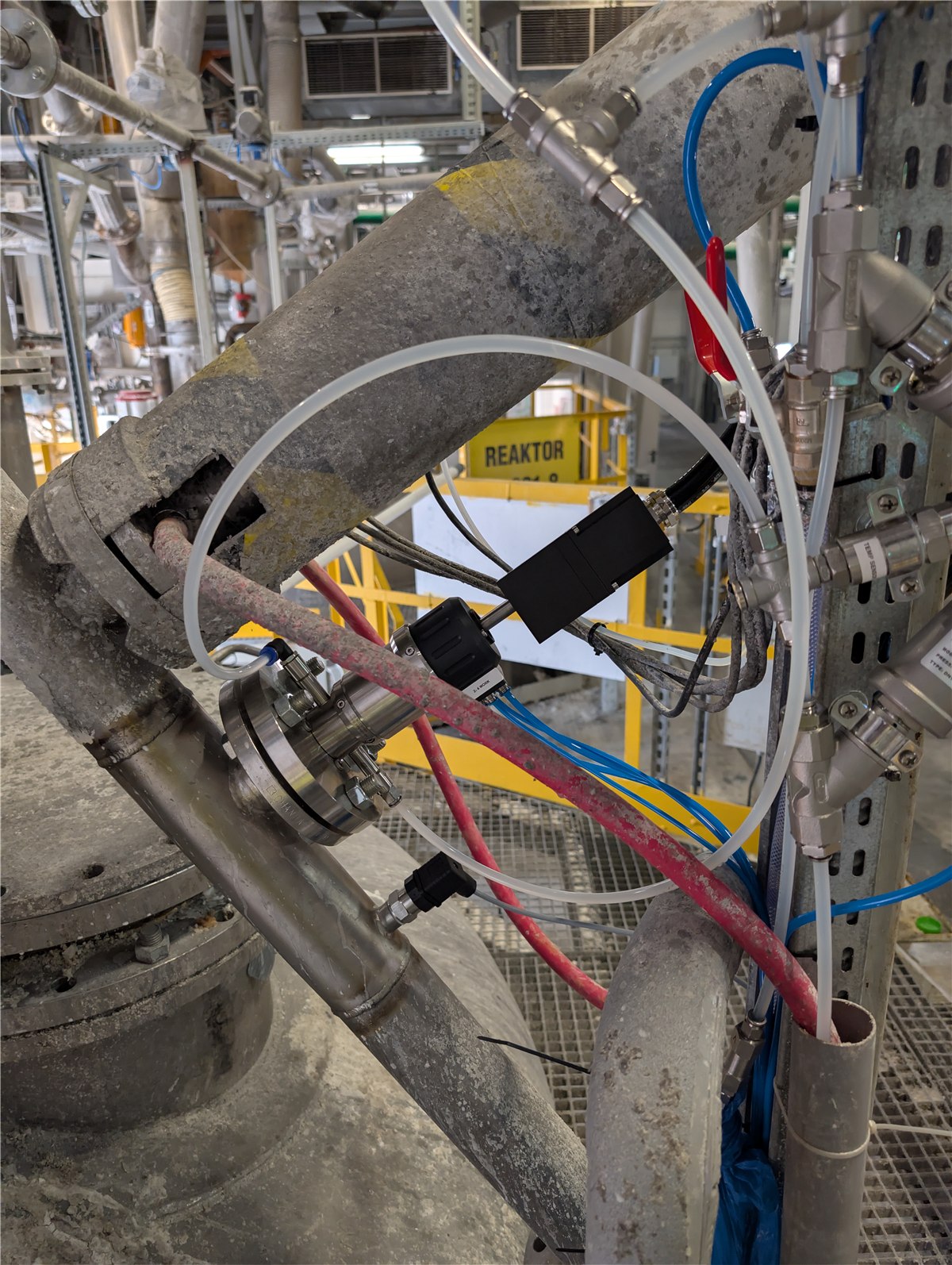
Every stream above is measured by the same platform: a Spectrally X1 PROBE in the line or vessel, the Spectrally X1 INLINE analyzer up to 100 m away by fiber, and Spectrally OS turning spectra into process values. What changes per chemistry is the chemometric model - built and validated on your matrix during the feasibility study.
One probe family across streams
316L immersion probe, IP67, ATEX/IECEx Zone 0 versions, -40 to +125 °C, up to 16 bar, pH 2-10 continuous. These nitrogen and DEF streams are mostly clear, low-fouling aqueous solutions, so the self-cleaning retractable system handles the occasional turbidity spike rather than constant fouling.
A dedicated model per matrix
AI and advanced chemometrics with a CNN core, trained on your recipes against laboratory reference values - more accurate and faster than the traditional PLS/PCA that remains the industry benchmark. Calibration maintains itself from a reference integrated in the probe, and models update without stopping the analyzer.
Values, not spectra, in the control room
Urea, nitrate, ammonium, biuret and thiosulfate arrive over PROFIBUS / PROFINET as ordinary process tags. Every measurement is stored and exportable - CSV, PDF or raw spectra - as a per-batch ISO 22241 / Reg 2019/1009 record.
Urea, UAN/RSM, DEF/AdBlue and biuret - one measurement layer, all classified TIER S.
Feedstock urea is 46% N - the master variable feeding both RSM and AUS 32.
A single Raman acquisition takes from 5 seconds.
Kjeldahl total-nitrogen certification at the top of its range - off the critical path.
Start with your own chemistry.
Send representative samples from your urea, UAN/RSM, DEF/AdBlue or biuret process. We build and validate a chemometric model on your matrix in the Gekko lab and report exactly what inline Raman would read on your line - before any hardware decision.