We care about your privacy

We use cookies to ensure the site functions properly, measure traffic, and personalize marketing only with your consent.

Process, laboratory, and portable analyzers

We transform process variability into repeatable stability and precise control over every product batch.
 
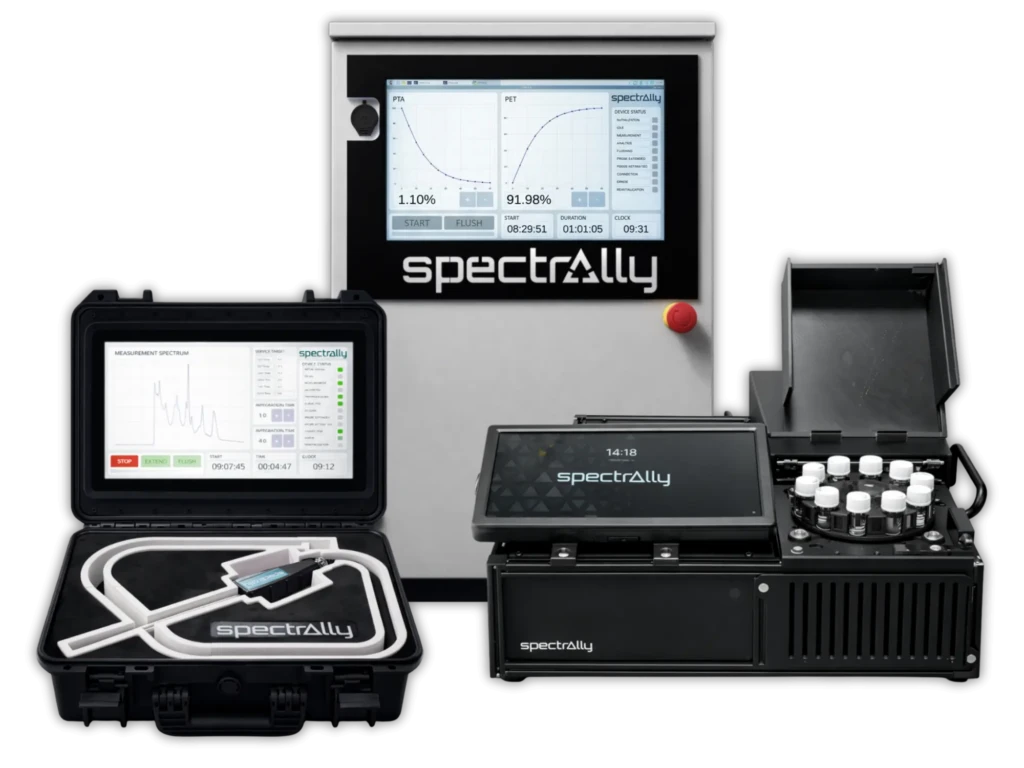
packshot - grupowe

Our products

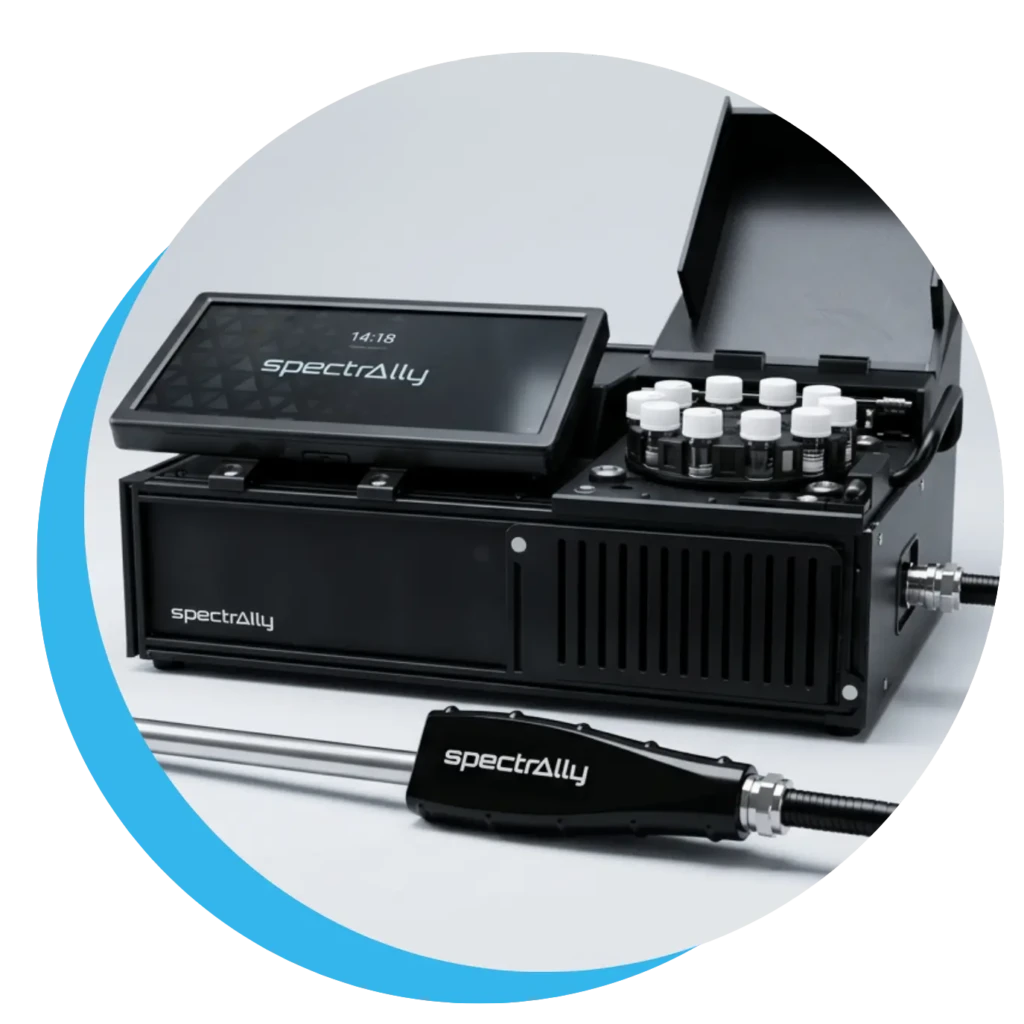
In-line, At-line/Lab, and Portable
image (15)

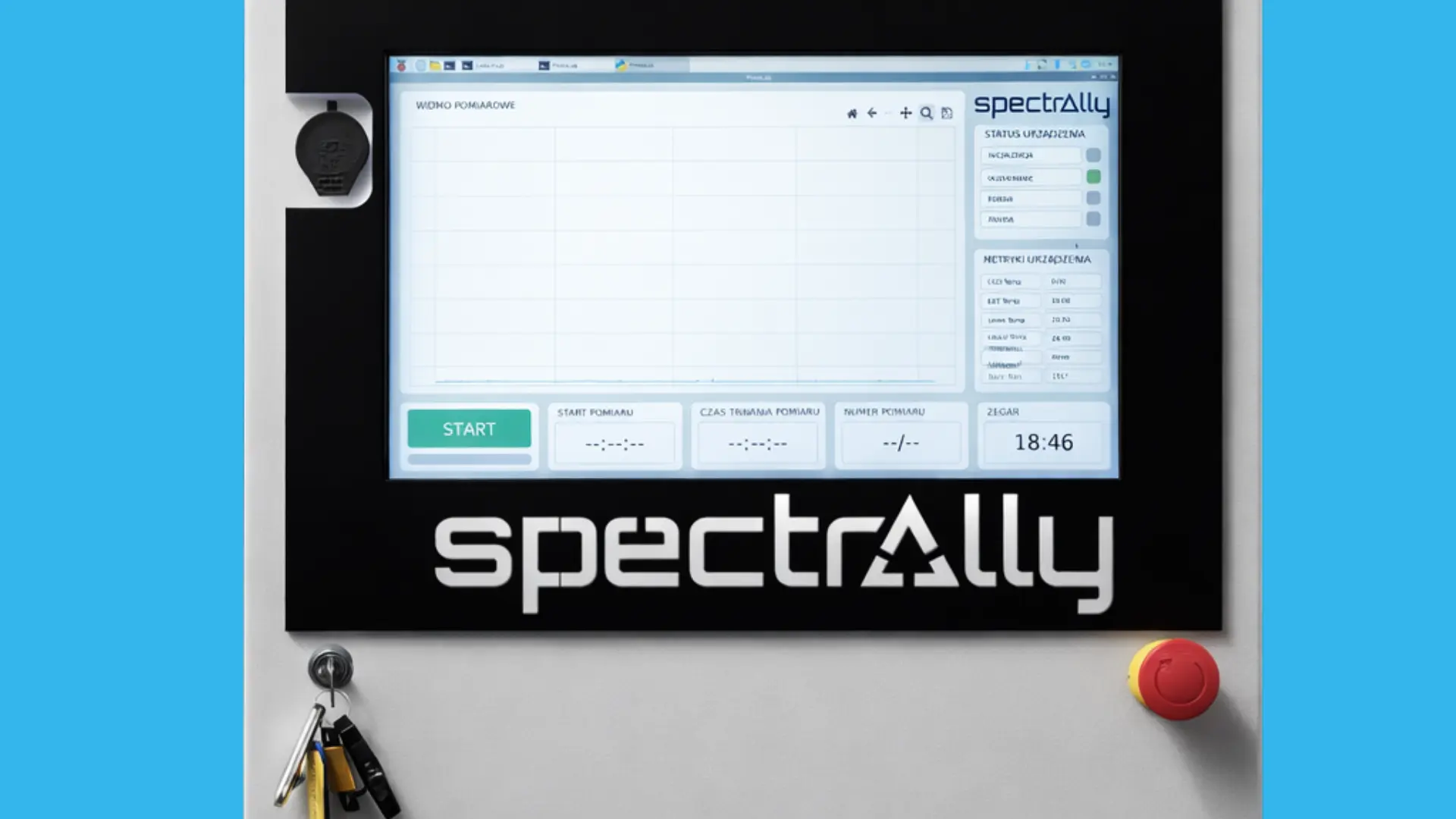
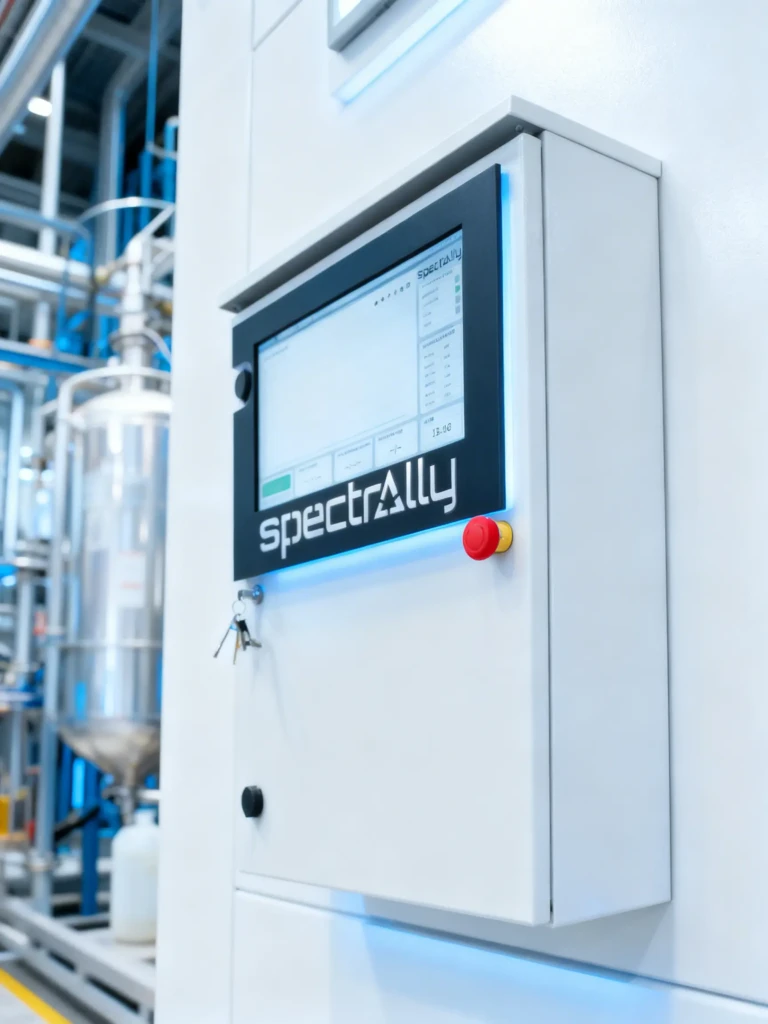
Spectrally Inline

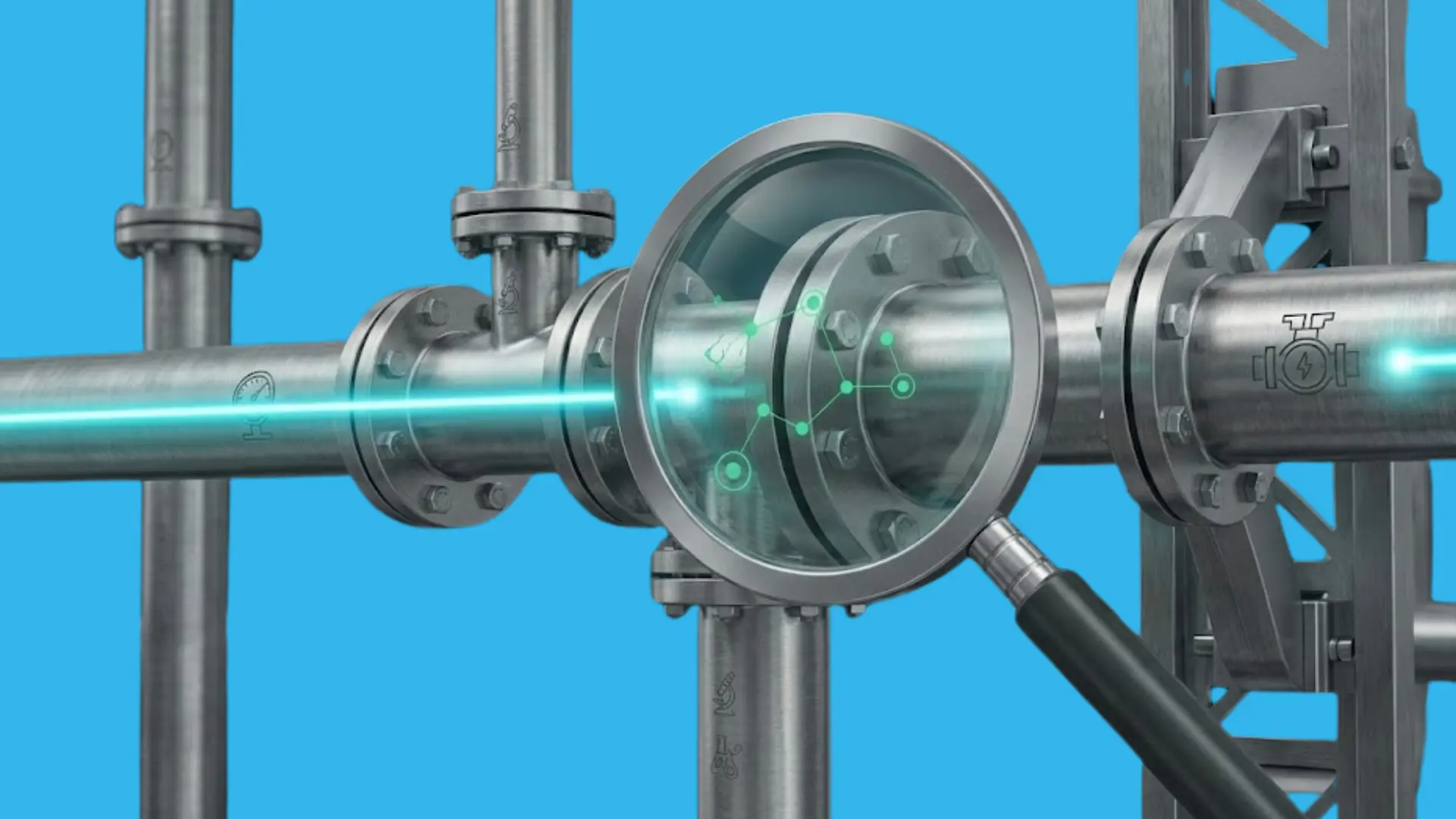
Real-time quality control, directly in the process

Measurement without sampling and without downtime

Designed for 24/7 operation, even in demanding conditions

Integration of results with control systems / QA reports
Spectrally (5)

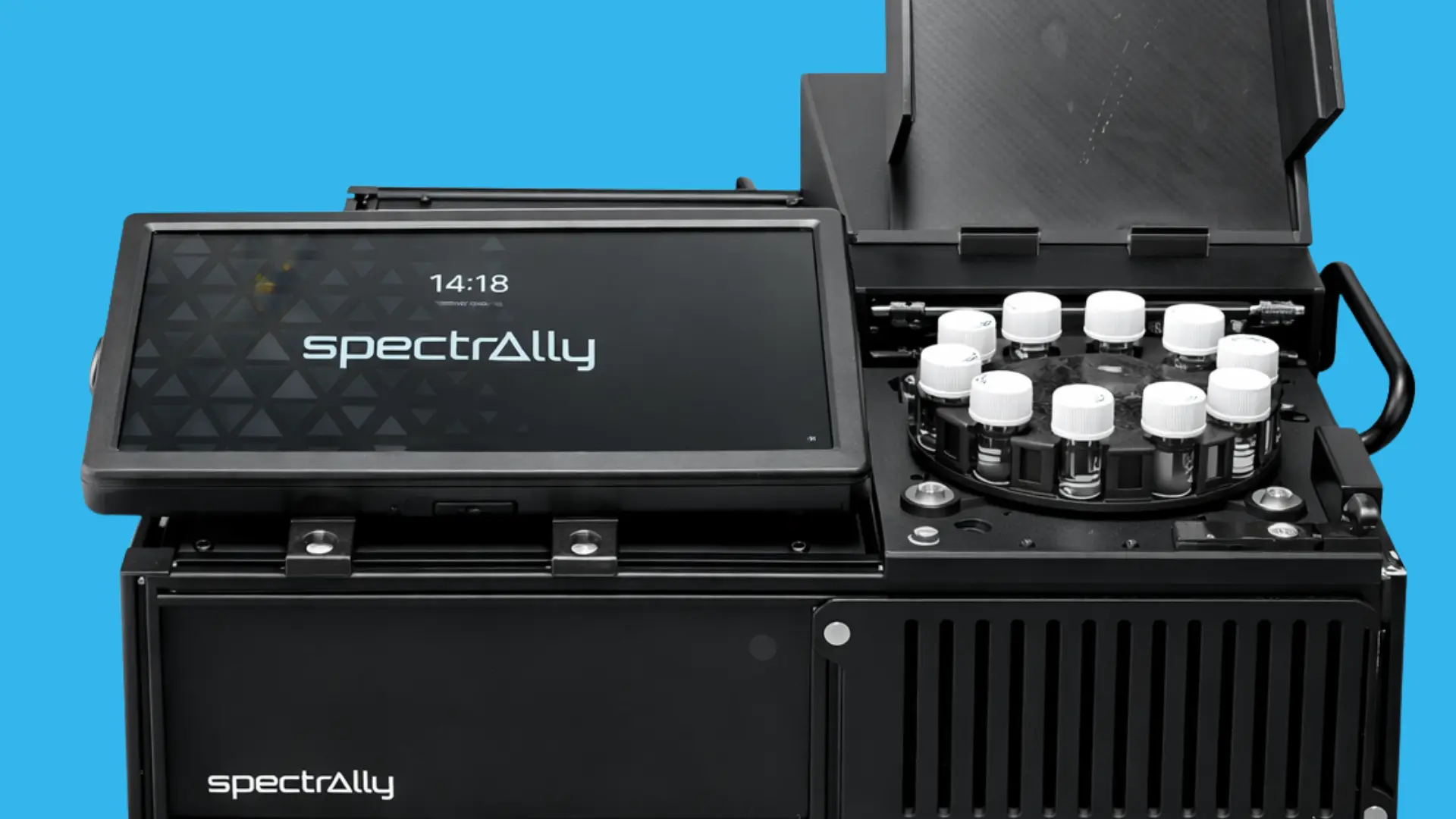
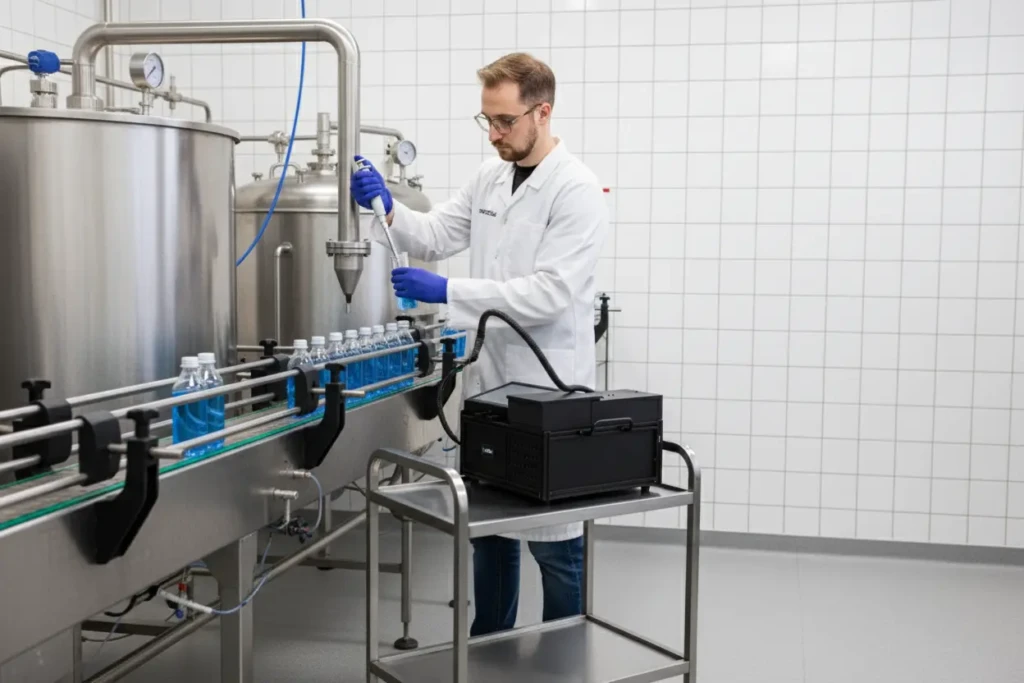
Spectrally At-line/Lab

The bridge between the laboratory and production

Rapid verification of batch composition without tedious sample preparation

Support for scaling formulations from R&D to production

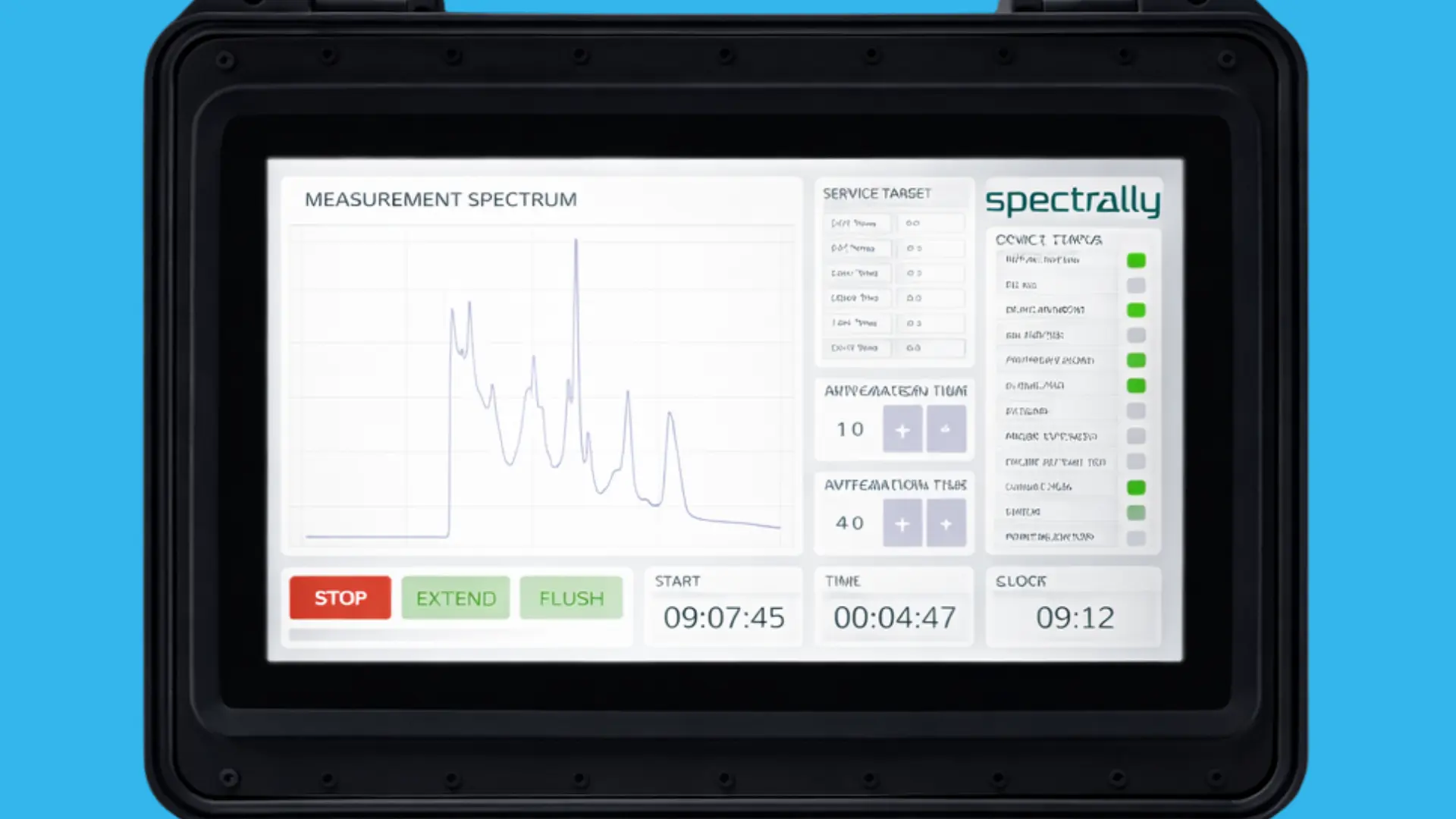
Real-time data visualization and analysis
Spectrally (7)

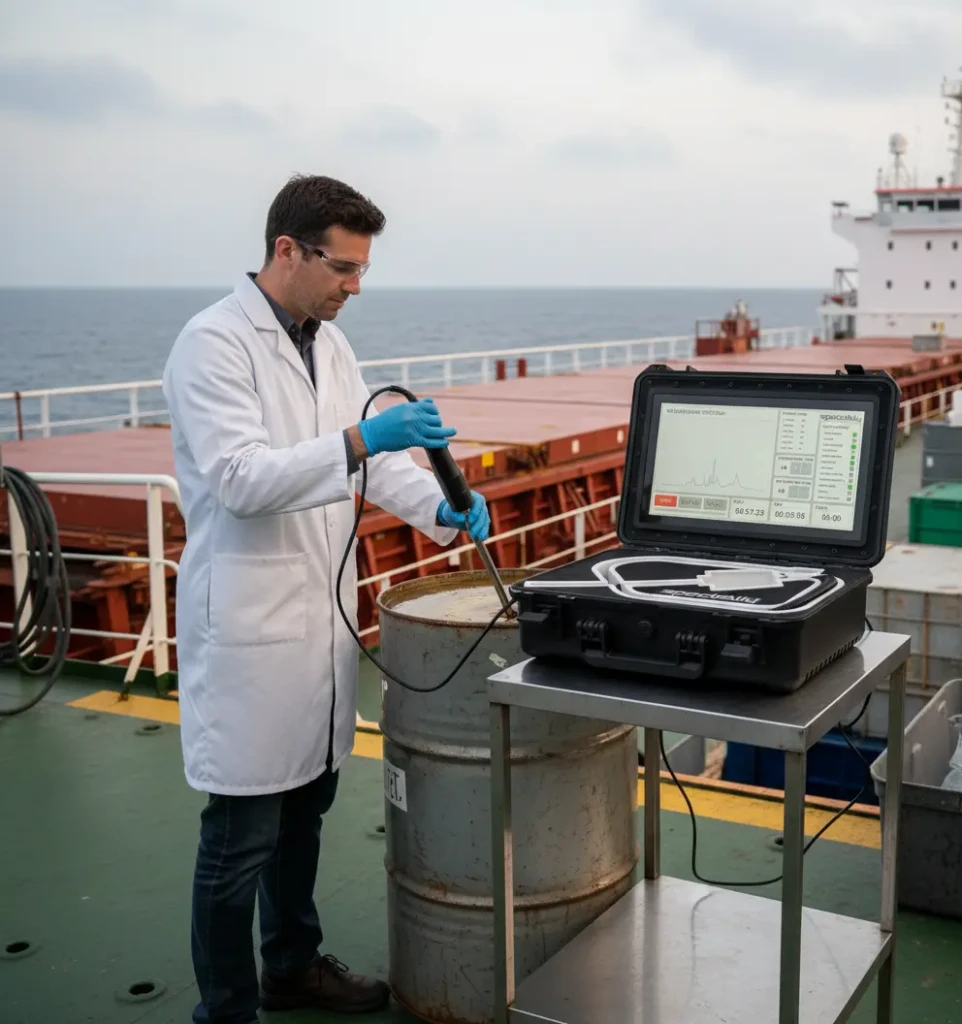
Spectrally Portable

Mobile raw material identification and incoming quality control (IQC)

Fast PASS/FAIL, even without opening the packaging (for transparent packaging)

A tool for raw material control at warehouse intake and in the field

Non-destructive measurement with results in seconds

Spectrally OS-1

Spectrally OS

Dedicated software with proprietary analytical models

Analyte signal converted into a user-readable result

Rapid development and deployment of models in response to specific process issues

Real data for automating and optimizing the production process

Raman Spectroscopy:
rapid in-process measurement

The Spectrally analyzer utilizing Raman spectroscopy enables analysis of solids, pastes, powders, and liquids, including aqueous applications – with results converted into process indicators and alerts.

Why does Raman Spectroscopy have an advantage
over classical laboratory control?

Measurement automation

Reduction of errors and decision delays

Real-time results

Elimination of operational decision delays thanks to instantaneous measurements

Cost optimization

Time savings, reduction of operational costs (personnel, sample transport, waste)

LAB (4)

What does the implementation of a Spectrally analyzer look like?

  1. Implementation process

    Identification of critical points and risks

    We jointly analyze where the greatest losses, quality deviations, and downtime risks occur in the process. Based on this, we select measurement points in specific processes that will yield the fastest return on investment.

  2. Implementation process (2)

    Feasibility study – testing process samples

    We test samples from your process to confirm whether the measurement technology and algorithms meet the requirements. You will receive a clear report on the implementation potential.

  3. Implementation process (3)

    Architecture recommendation, technology selection, and ROI report

    We design the measurement configuration (in-line / at-line / mobile), measurement points, integrations, and results reporting method. We present an implementation plan and a return calculation based on process data.

  4. Implementation process (4)

    Implementation and service support

    We install the system, launch models, and train your team so that the results immediately support production and quality decisions. We provide service support, updates, and model development as the process evolves.

Industries

Tailor-made devices for various industry branches

Selected Case Studies

Case study 1

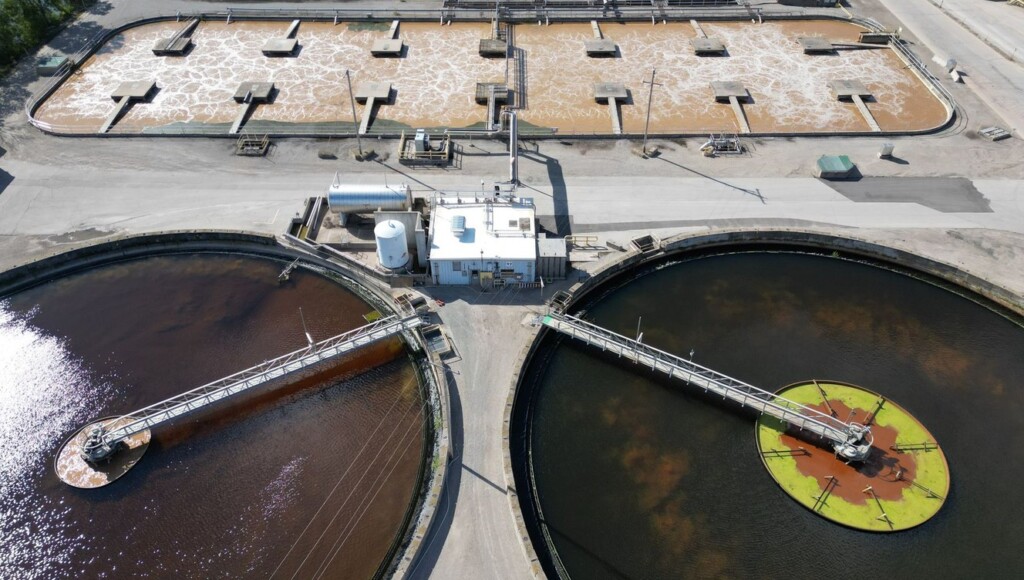
Hydrocarbon measurement in wastewater (wastewater treatment plant protection)

Challenge (before implementation):

Solution

Continuous monitoring with the Spectrally system: 24/7 hydrocarbon detection (even under variable atmospheric conditions).

Results

Case study 2

Measurements in synthetic resin production (polycondensation control)

Challenge (before implementation):

Solution

The Spectrally measurement system, resistant to harsh resin processing conditions, performing automatic measurements during each production batch.
 

Results

See other Spectrally analyzer use cases

Ocena wykonalności zastosowania Ramana do rozróżniania partii białych farb i identyfikacji markerów wypełniaczy mineralnych
Paint and coating production Poland

Feasibility Assessment of Using Raman Spectroscopy for Differentiating Batches of White Paints and Identifying Mineral Filler Markers

In white paints, even minor formulation changes, particularly in the area of fillers and mineral additives, can translate into tangible production and performance parameters: viscosity, stability, opacity, whiteness, or susceptibility to sedimentation. The problem arises when differences only become apparent after a batch is completed or after a longer period, for example, in a customer complaint.

Identyfikacja surowców do klejów w kilka sekund – mobilna kontrola dostaw ze Spectrally
Chemical industry – adhesive and resin production Poland

Raw Material Identification for Adhesives in Seconds – Mobile Supply Control with Spectrally

In adhesive production, key raw materials – acrylate monomers, solvents, and isocyanates – arrive at the warehouse in various packaging types and from different suppliers. In practice, this necessitates rapid verification of whether the material on the pallet is exactly what was ordered and whether its purity meets the formulation requirements.

Team

Gekko Photonics is formed by individuals with experience in photonics, spectroscopy, and deep-tech implementations. We combine R&D work with responsibility for the result on-site — from the first measurement to stable operation in production.

image (17)

Experts in photonics, spectroscopy, and industrial implementations

Frequently Asked Questions

Is Raman spectroscopy suitable for industrial (24/7) operation?

Yes. Process systems are designed for continuous operation and can function in demanding conditions (e.g., temperature/pressure), with results available in real time.

The result is available within seconds, usually without sample preparation. This shortens the decision-making path and reduces the number of manual steps on the laboratory side. 

It depends on the application, but it is sometimes possible to start with even a small number of samples. In a feasibility study, we confirm whether we can achieve the required accuracy and under what conditions.

Yes. Results can be integrated into QA reporting and used for alarms/trends as well as integration with control systems (depending on the implementation architecture).

We start by identifying critical points, then conduct a feasibility study on samples, followed by designing the architecture and implementing the solution along with service.

Yes — also in aqueous environments. For example, hydrocarbon monitoring can operate 24/7 with measurement frequencies on the order of minutes, allowing for faster response to incidents.


The most common limitations depend on the sample (e.g., fluorescence) and require proper selection of configuration and chemometrics. Therefore, we verify this in a feasibility study using your materials.

Yes — during the testing phase. In reference projects, very low errors relative to laboratory methods (e.g., HPLC) are possible, and we establish target KPIs based on your requirements.

Write to us and learn more

Aleksandra Łukasiewicz

Head of International Sales


    Click here and check if we analyze your chemical compound