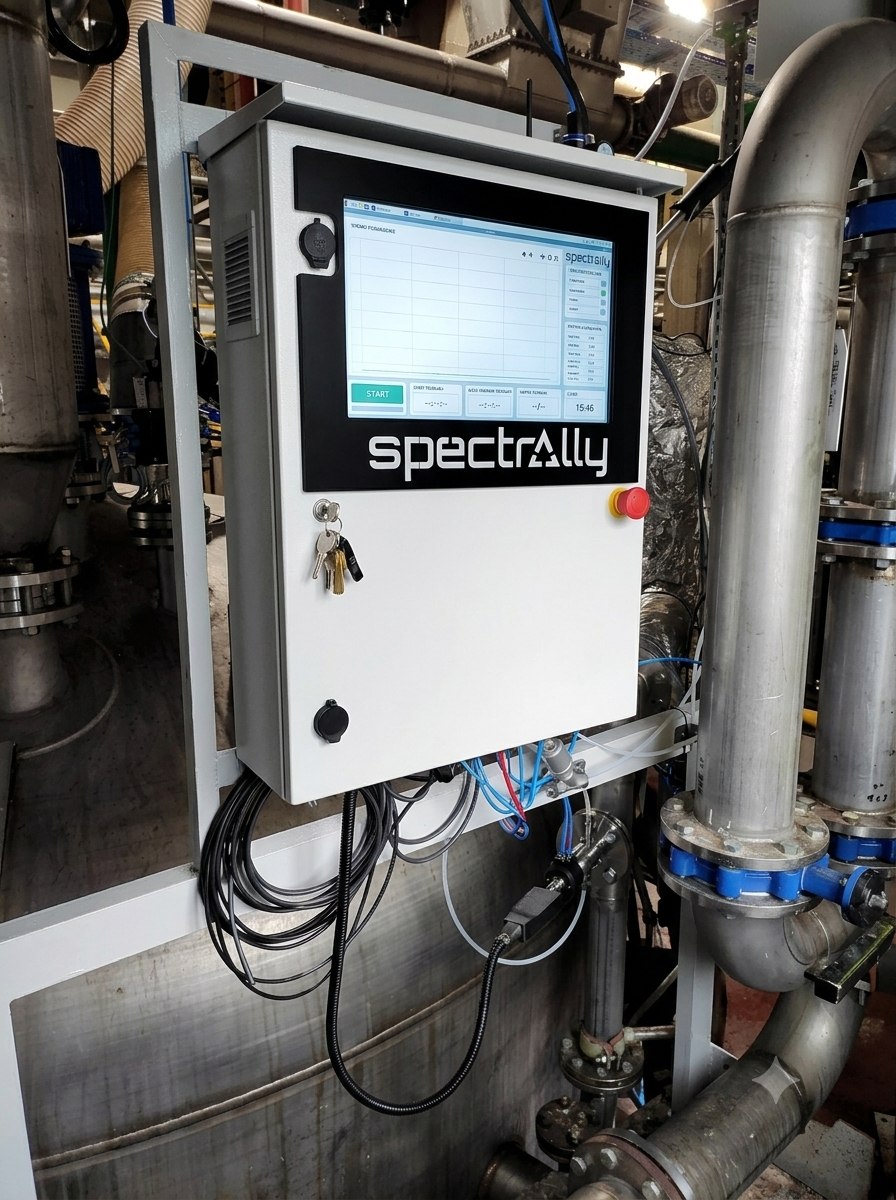
 Point A
Reaction outlet
The concentration leaving the reaction step, read on the clarified liquor. Where the stream carries suspended sulfur, the point moves downstream of filtration.
Inline means the probe sits in the line or vessel and measures the medium directly. The analyzer cabinet sits near the measurement point, at a location agreed in the feasibility report, and each value reaches the control system seconds after the spectrum is taken.
One cabinet serves two points as standard, with more on request. The feasibility report recommends which two come first.
Point AThe concentration leaving the reaction step, read on the clarified liquor. Where the stream carries suspended sulfur, the point moves downstream of filtration.
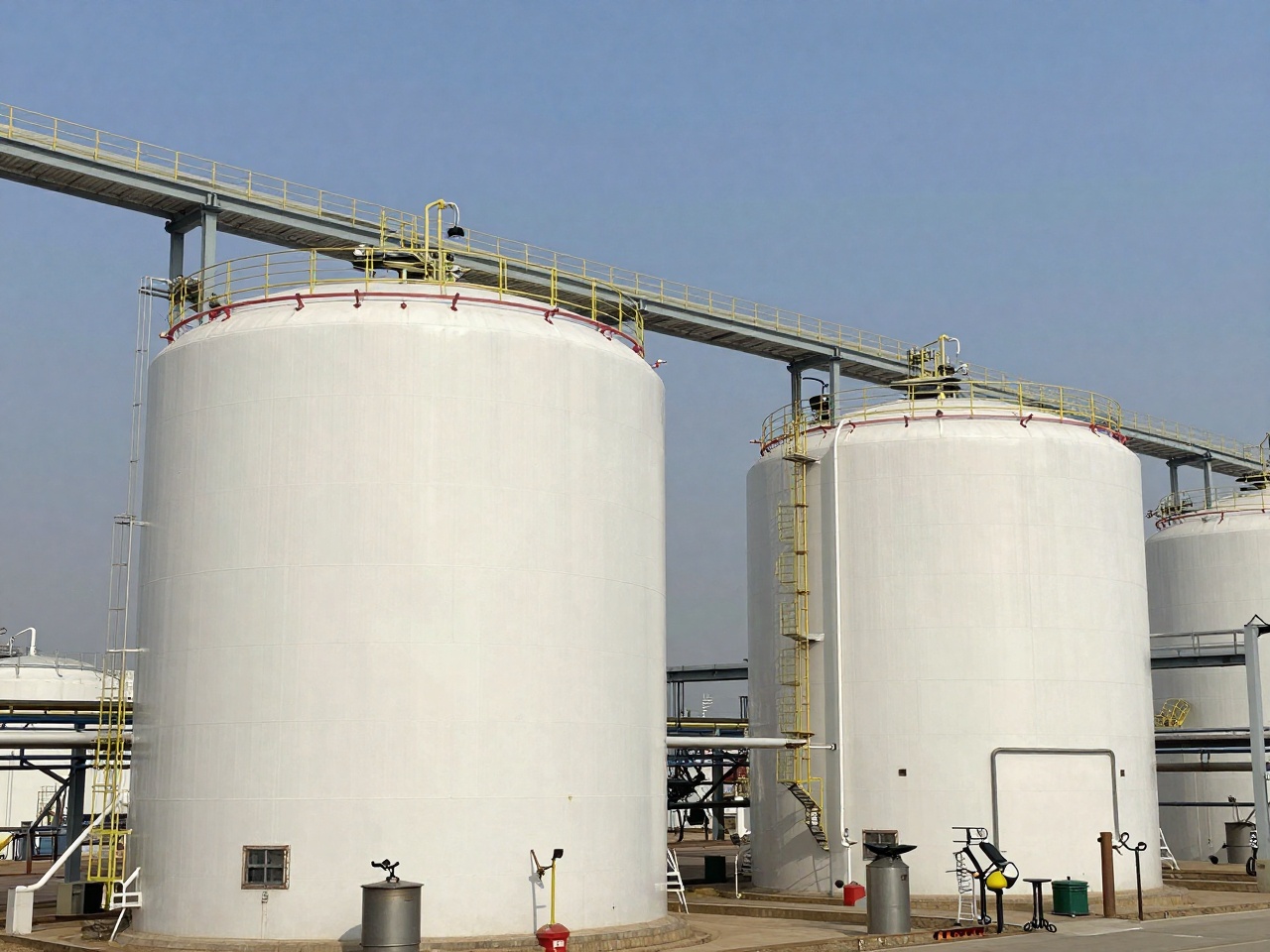 Point B
Homogeneity and final concentration of the volume that feeds load-out, read in the recirculation loop over a full turnover.
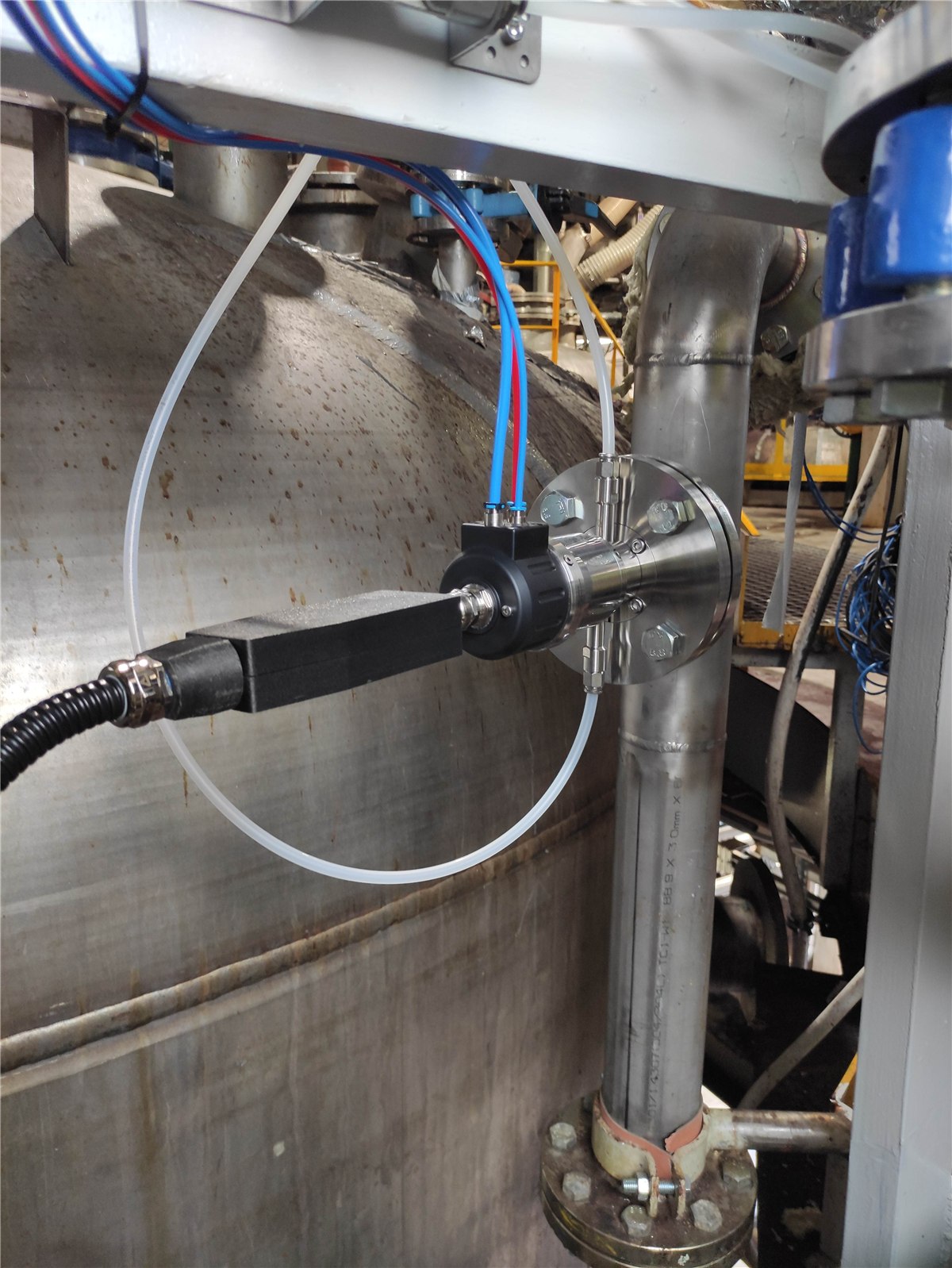
 Point C
A reading on a load-out line that stays liquid-filled, stored with a time stamp for each load.
Thiosulfate liquors are clear, and any optical window in a process line still collects deposits over a campaign. The retractable module takes the probe out, rinses the window and returns it, on a schedule set for your line.
Each reading arrives as an ordinary process tag.
Thiosulfate, sulfate and homogeneity values as tags, with alarm limits set in Spectrally OS.
Each spectrum is classified against the grade specification, and the flag goes to the same control system.
Results and raw spectra stored locally, exportable as CSV, PDF or raw data, with role-based access.
The steps are the same for every liquor; the timing for your line is set in the feasibility report.
A working session with your technology, production and quality people: measurement points, analytes and the KPIs that matter on your line.
about 3 hoursWe measure 3 to 5 representative batches or samples in the Gekko lab, build the calibration models and quantify the gain as a documented scenario on your data.
about 4 weeksProbe and cabinet on the selected line, validation against your laboratory, operator training and integration with your control system.
6 to 12 weeksFurther measurement points once the first one runs on its model, on the same software layer and the same service team.
3 to 5.5 months to the first running point| People for the workshop | Technology, production and quality, for about three hours |
| Samples | 3 to 5 representative batches or samples, with the lab values you already have for them |
| Process connection | Flange DN32/40/50 PN16, ANSI 1¼″/1½″/2″ Class 150, NPT male 1¼″ or Tri-Clamp 1½″/2″, or a custom design; retractable process holder where the probe has to come out under process conditions |
| Power at the cabinet | 230 V AC, 50/60 Hz, grounded; 300 W |
| Cabinet location | 0–45 °C ambient, 20–70% RH non-condensing |
| Control system | A Modbus endpoint in the PLC, DCS or SCADA, scoped with your automation and OT team |
| Operators | One training session for up to 10 people, on site or online |
| Point data | Pressure, temperature and area classification of each candidate point |

Hope you find it interesting. Please contact us and talk about our analysis in detail.
a.lukasiewicz@gekkophotonics.com+1 804 593 0282Używamy plików cookie, aby strona działała poprawnie, mierzyć ruch i personalizować marketing tylko za Twoją zgodą.