Specialty Polymers, plant by plant.
Seven US plants make the portfolio managed from Alpharetta. This page lists what each makes, the process behind it and what a Raman spectrum carries at that step.
Seven chemistries, one measurement layer.
| Plant | Products | Process | In the spectrum |
|---|---|---|---|
| Augusta, GA | KetaSpire® PEEK · Amodel® PPA · DCDPS | resin production and compounding | wash and solvent streams; lot and compound fingerprint |
| Marietta, OH | Udel® PSU · Radel® PPSU | polycondensation in solvent | reaction progress in solution; solvent streams |
| West Deptford, NJ | Hylar® PVDF · Tecnoflon® FKM | fluoropolymer polymerization without fluorosurfactants | latex and downstream streams; composition |
| Orange, TX | Halar® ECTFE | copolymerization of ethylene and CTFE | grade identity; copolymer balance |
| Greenville, SC | Torlon® PAI | base resin and compounding | reaction progress; powder fingerprint |
| Borger, TX | Ryton® PPS | polycondensation | solvent streams; lot fingerprint |
| Newark, DE | Ajedium™ films | film extrusion | resin feed fingerprint, at-line |
Three places where a continuous record helps most.
New recipes and new capacity are where a process window is learned. A composition record from the first batch shortens that learning.
Polymerization without fluorosurfactants
Syensqo runs its US fluoropolymer production without fluorosurfactants. New recipes are where composition data from the first batch counts.
Sulfone capacity at Marietta
Udel® PSU capacity grew by more than 25% in 2024. Added capacity is the natural moment to add a measurement point.
Ryton® compounding at Augusta
Ryton® PPS compounding joined Amodel® and KetaSpire® compounding at Augusta in 2025. A new compound line is where an at-line fingerprint check is simplest to add.
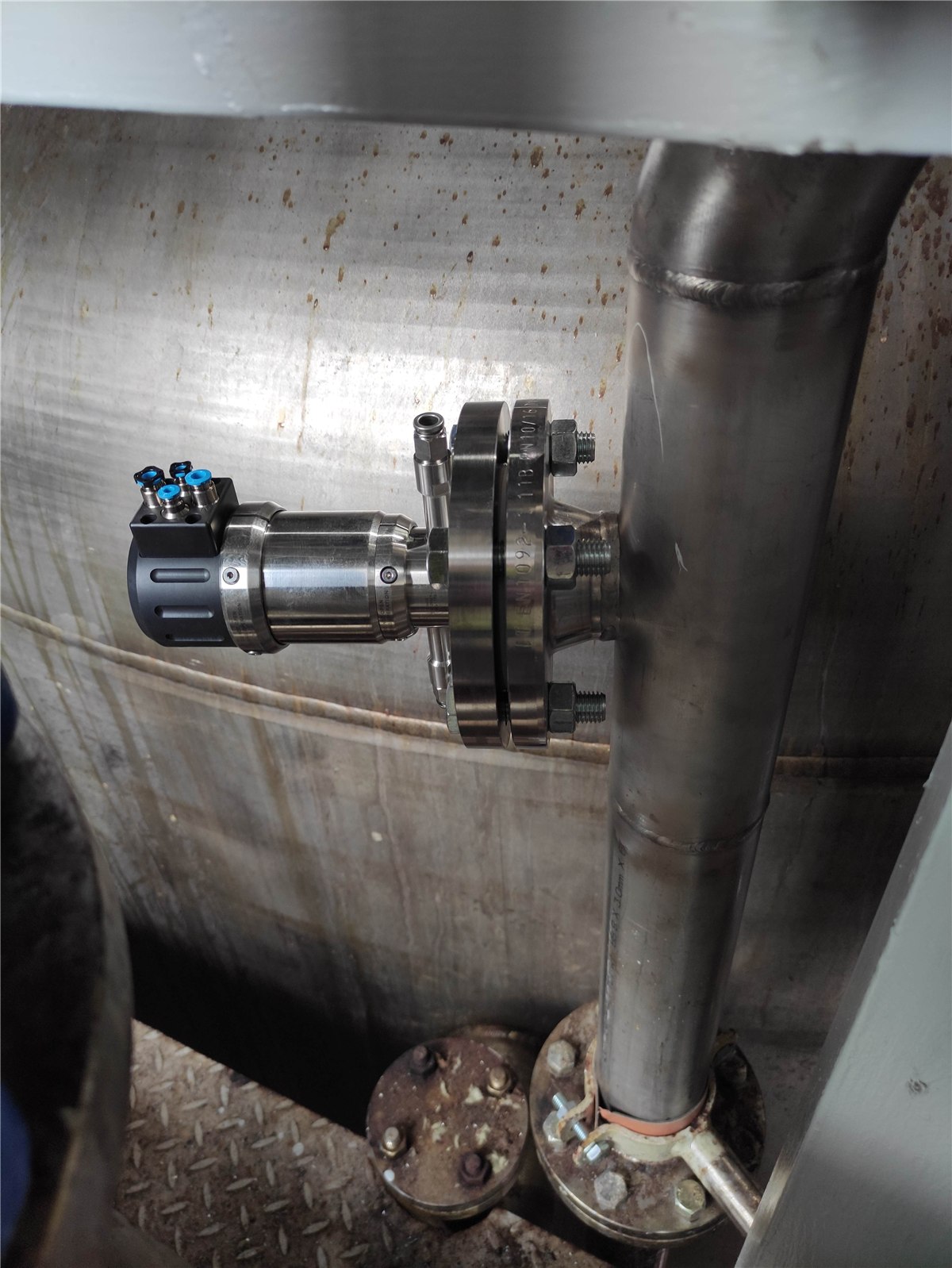
Every polymer brings its own bonds.
Bond-specific bands
C–F, C–Cl, aromatic rings, C=O and C=C each have their own Raman bands, so composition and conversion show in one spectrum.
Water stays quiet
Water is a weak Raman scatterer, so aqueous phases, wash liquors and latex stay readable where infrared methods contend with water absorption.
One model per value
Spectrally OS runs one calibrated model per parameter, a hybrid of neural networks and classical chemometrics trained on each plant's samples.
The same decisions, taken on a reading from the process.

Hope you find it interesting. Please contact us and talk about our analysis in detail.
a.lukasiewicz@gekkophotonics.com+1 804 593 0282