 Case 01
A question about one delivery
In a common routine the answer is assembled from the tank sample and the lab log of that day.
With the probe: the load has its own time-stamped reading, exportable in minutes.
Each case starts with a common way the decision is taken and shows what changes when the value comes from the line.
Case 01In a common routine the answer is assembled from the tank sample and the lab log of that day.
With the probe: the load has its own time-stamped reading, exportable in minutes.
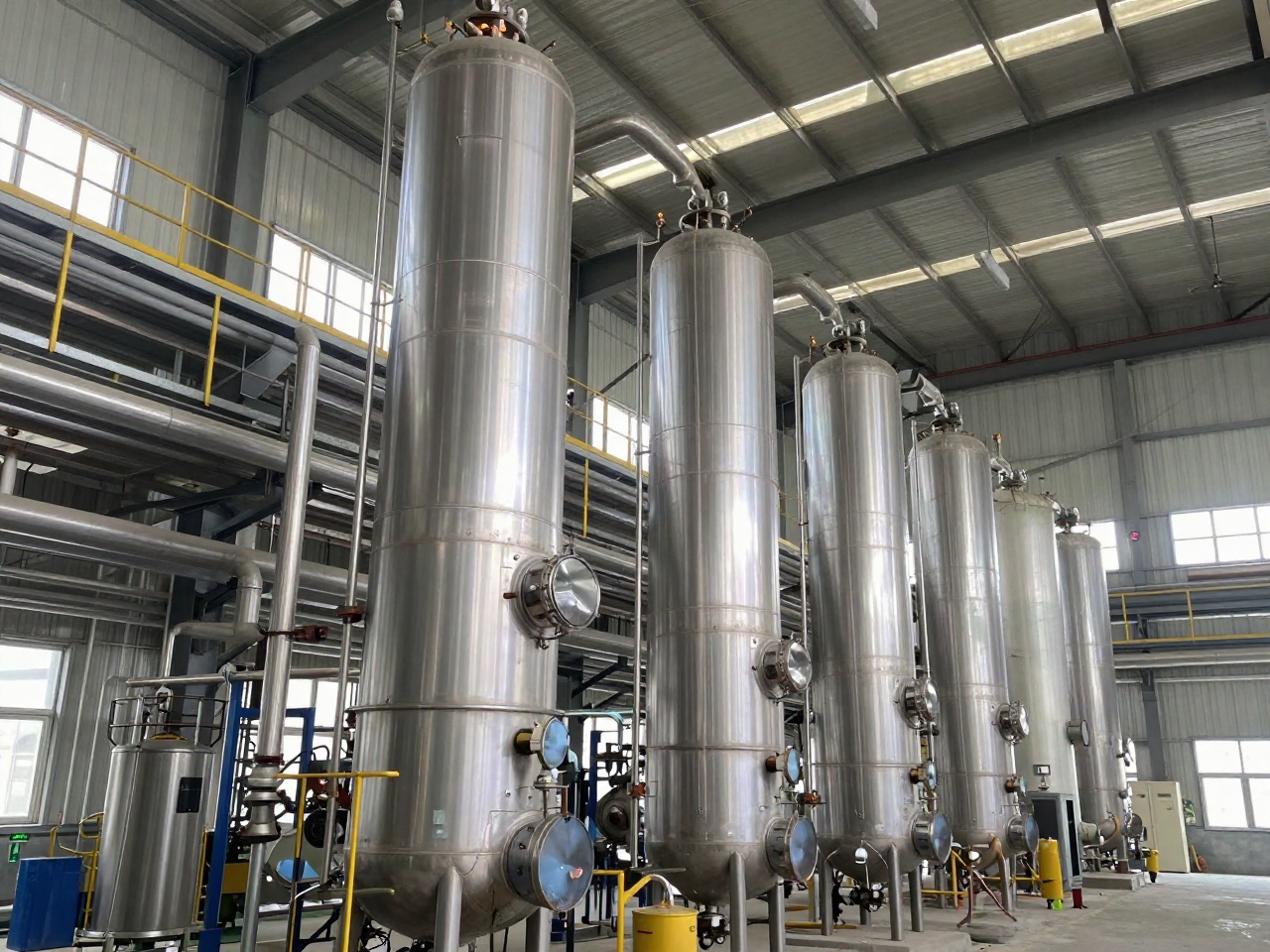 Case 02
A new target is confirmed on a sample once the line has settled.
With the probe: the thiosulfate trend shows when the line has settled at the new target, and the tank receives liquor on target sooner.
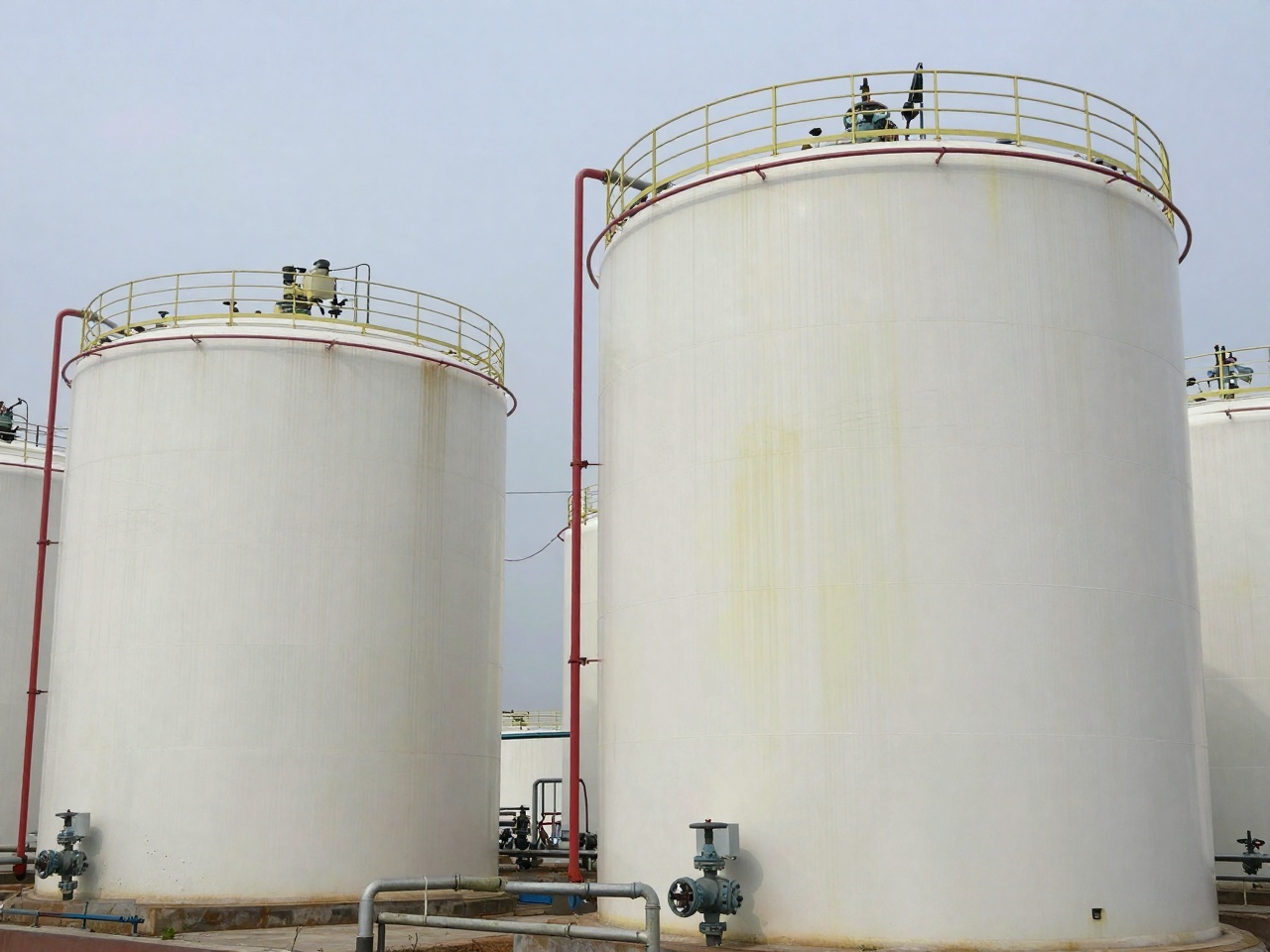 Case 03
A new line starts on the sampling routine of the old ones, and the first campaigns teach the process window.
With the probe: the connection is built in, a model from the existing liquor is the starting point, and the window is on record from the first campaign.
These figures come from a phenol-formaldehyde resin producer that runs a Spectrally probe with the self-cleaning module on its reactor. The chemistry differs from a thiosulfate liquor; your feasibility study quantifies the gain on your own line.
Return on the installation at a phenol-formaldehyde resin plant.
On one line and one reactor at the same plant.
Up from about 58%, with availability, performance and quality all higher.
Readings per batch, one every 30 s, against about four lab results.
Thiosulfate, sulfate and homogeneity, checked against the lab methods at each plant.
Recommended locations, with process connection and holder.
The gain quantified as a documented scenario on your own data.
Installation, validation against each lab, training and integration.

Hope you find it interesting. Please contact us and talk about our analysis in detail.
a.lukasiewicz@gekkophotonics.com+1 804 593 0282Używamy plików cookie, aby strona działała poprawnie, mierzyć ruch i personalizować marketing tylko za Twoją zgodą.