Four silicone chemistries. One measurement layer.
PDMS, addition-cure LSR/HCR, chlorosilanes and medical-grade silicones - the silicone chemistries this mini-site covers, and what Spectrally reads inline, in the reactor or line itself with no sample drawn, in each of them.
One measurement layer, from chlorosilane monomer to cured silicone.
Silicone processes run different chemistries - polycondensation, platinum addition-cure and chlorosilane distillation - but they share one blind spot: the parameter that defines the product comes back from GC/MS, GC or DSC 20 to 120 minutes after a sample leaves the line. Spectrally X1 INLINE puts one Raman measurement layer across all of it. An immersion probe reads the medium where it reacts, a chemometric model per matrix turns the spectrum into numbers, and the result - siloxane chain length, silanol and vinyl content, residual cyclics and cure state - reaches your PLC or DCS in about 5 seconds, with no sample drawn and no line stop.
Polycondensation of Si-OH with elimination of water or methanol - the base for silicone rubber, fluids and gels. Molecular weight sets viscosity; residual cyclics read at the siloxane band near 490 cm⁻¹.
Liquid and high-consistency silicone rubber crosslinked by the Si-H + vinyl reaction over a platinum catalyst, no by-product eliminated. Crosslinking read directly from the Si-H and vinyl bands.
Me₂SiCl₂ / MeSiCl₃ / Me₃SiCl from the Muller-Rochow process. The D/T/M ratio sets the silicone type, read inline through a sapphire window on the corrosive HCl stream.
LSR and RTV for implants, catheters and valve membranes - Class III devices under EU MDR 2017/745. Crosslinking documented per batch for the CE dossier.
PDMS: chain length and residual cyclics, read in the reactor.
Polydimethylsiloxane is built by polycondensation of silanol (Si-OH) groups with the elimination of water or methanol - the base for silicone rubber, fluids and gels, where molecular weight sets the viscosity and the application. Two questions define the batch: how far the condensation has run, and how much cyclic siloxane (D4, D5, D6) is left against the linear chain.
From a 60-120 minute GC/MS slot to a live siloxane read.
Residual cyclics by GC/MS take 60 to 120 minutes per sample with an extraction step, and inline viscometry gives a molecular-weight proxy with no composition behind it. The probe reads the siloxane structure where it forms:
- Residual cyclics D4/D5/D6 against linear PDMS, from the siloxane band near 490 cm⁻¹
- Condensation progress and silanol (Si-OH) content, tracked live through the cook
- Chain length / degree of polymerization read from the spectrum instead of inferred from a viscosity proxy
The siloxane band separates cyclic from linear directly, where NIR cannot. The self-cleaning probe retracts, rinses and returns between reads, so curing and filming media stay readable through a full campaign, and the immersion probe holds pH 2-10 continuously.
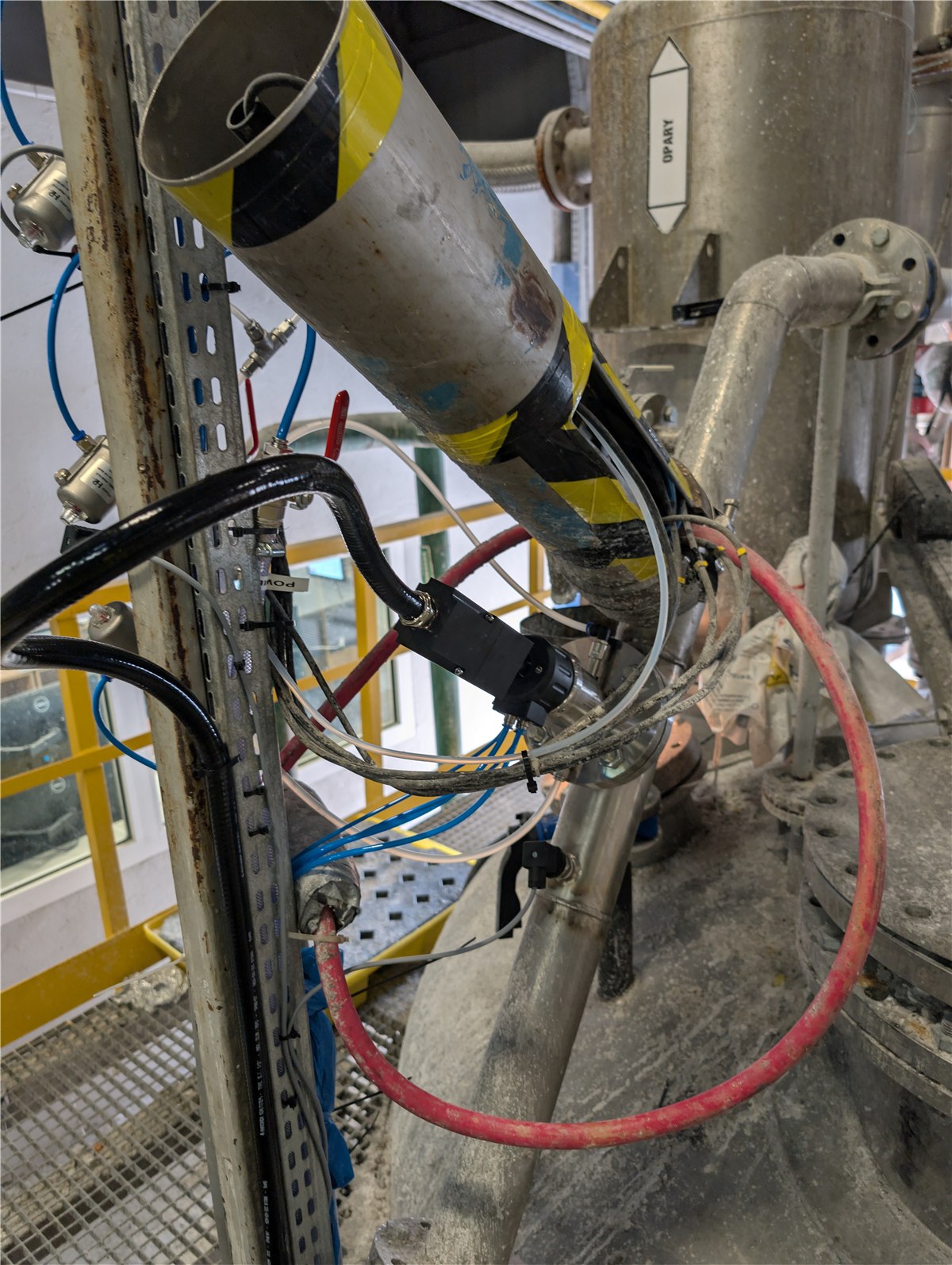
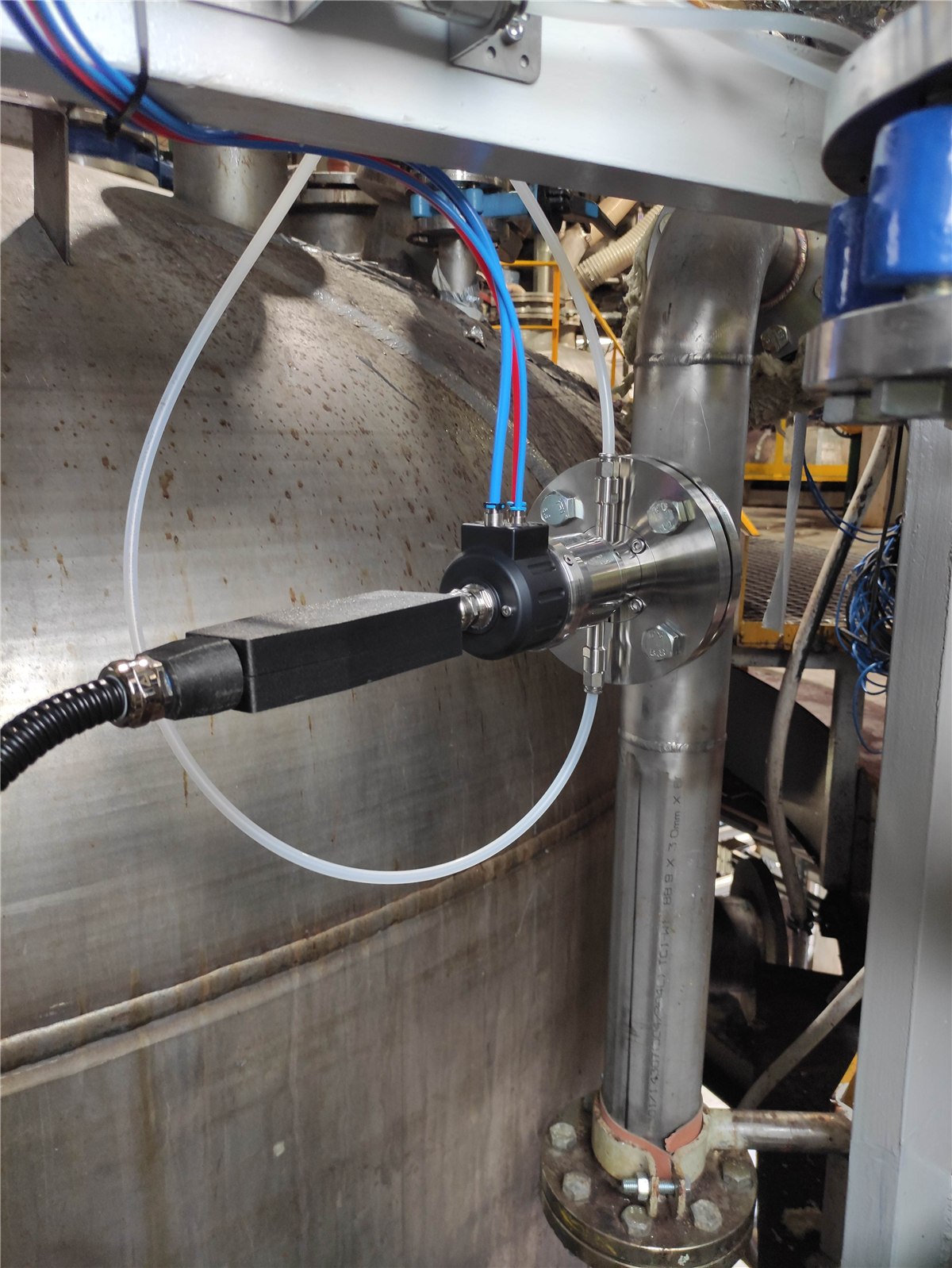
Cyclics read where GC/MS cannot follow
The questions that define a PDMS batch map onto specific, strong Raman bands - the siloxane band near 490 cm⁻¹ separates cyclic D4/D5/D6 from the linear chain, and the same spectrum carries the condensation progress. Read continuously in the reactor, inline, where GC/MS, gel-time and DSC only sample offline. The feasibility study on your PDMS stream delivers the validated model and the numbers on your matrix.
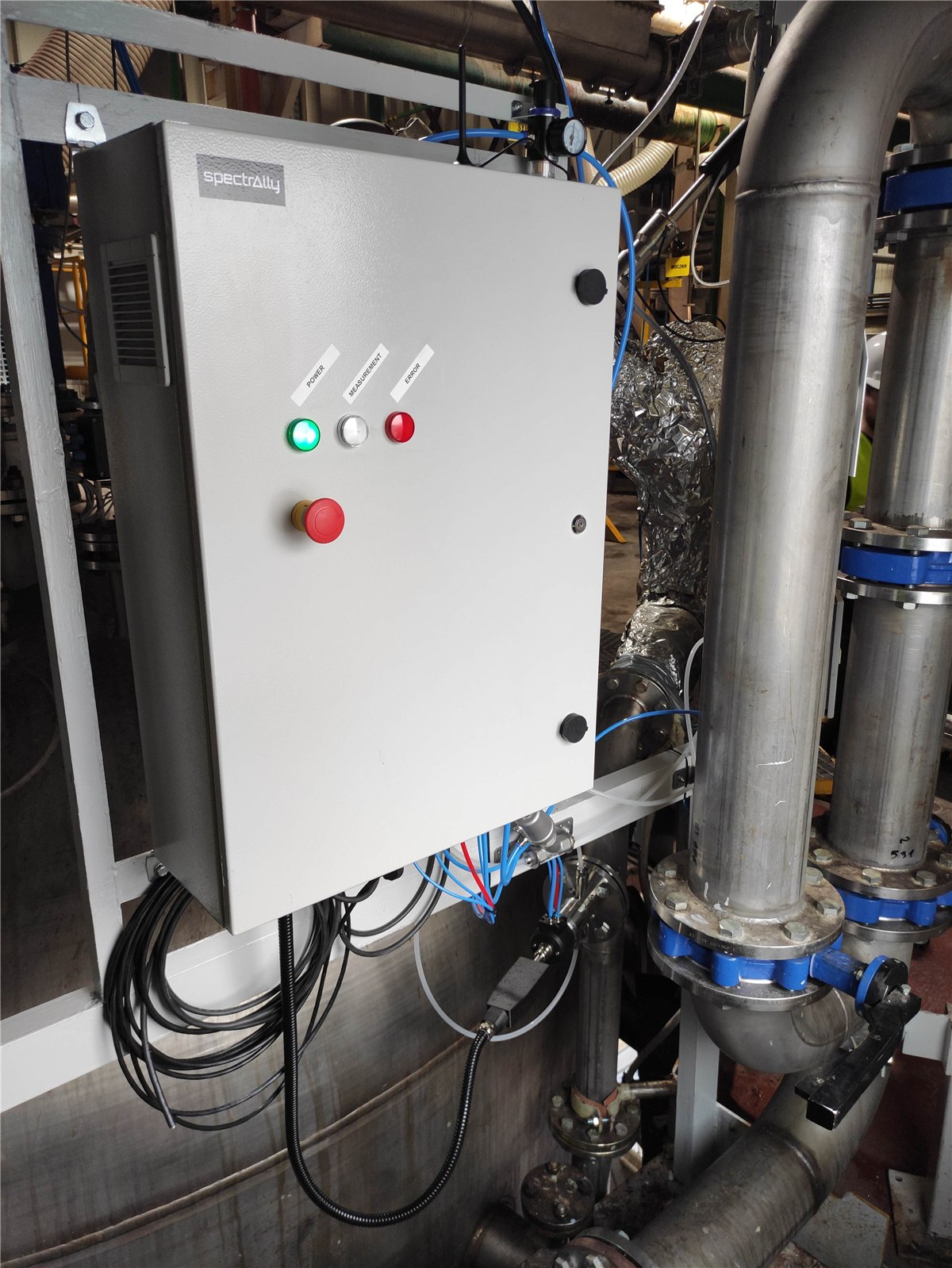
A closed loop, documented on the platform
On phenol-formaldehyde resins - a condensation chemistry running on the same Spectrally platform - a European producer closed the endpoint loop inline with a self-cleaning reactor probe: roughly 6.5 months payback, about 180,000 EUR saved a year, raw-material losses down 10%, production waste down 12% and batch-to-batch variability held under 1.5%. Cited here as the Phenol-formaldehyde resins reference point.
What comes off the PDMS critical path
Addition-cure rubber: crosslinking watched band by band.
Liquid Silicone Rubber and High Consistency Rubber are crosslinked by the Si-H + vinyl reaction over a platinum (Karstedt) catalyst, with no by-product eliminated. The cure is a crosslinking reaction, and its progress is written directly into two Raman bands that fall as it runs.
Crosslinking read as the Si-H and vinyl bands vanish.
Cure today is judged by observational gel-time, by offline DSC at 30 to 90 minutes, or by a rotational rheometer as a proxy - none of them a live read on the chemistry. Raman follows the reaction itself:
- Crosslinking tracked as the Si-H band near 2160 cm⁻¹ is consumed
- Vinyl content followed at the C=C band near 1600 cm⁻¹
- The cure endpoint read from the spectrum instead of a stopwatch or an offline thermogram
The same immersion probe and the same analyzer carry this chemistry - only the chemometric model changes, built and validated on your matrix during feasibility.
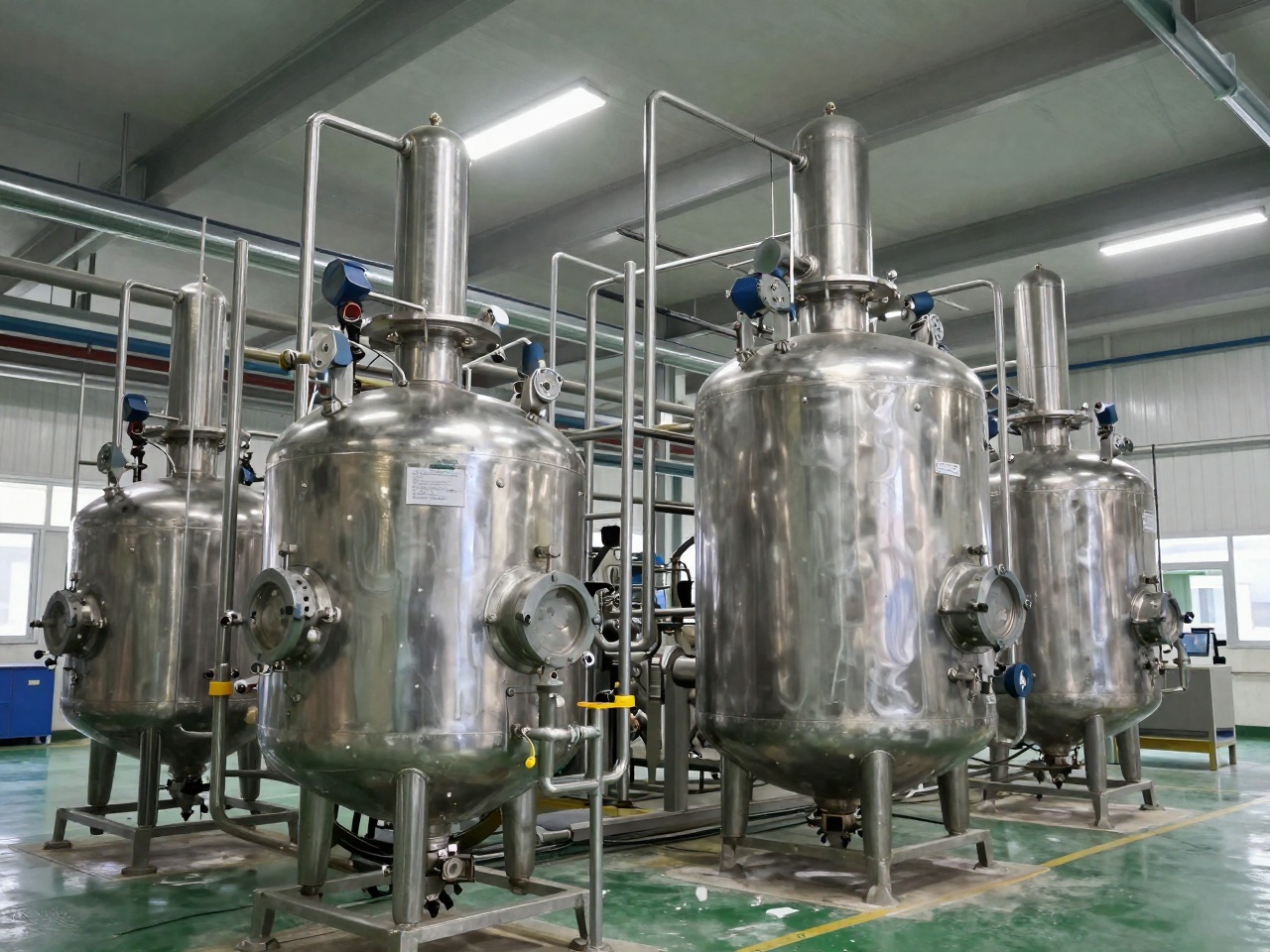
Chlorosilanes: the D/T/M ratio that sets the silicone.
Me₂SiCl₂, MeSiCl₃ and Me₃SiCl come off the Muller-Rochow process - silicon and methyl chloride at about 300 °C over a copper catalyst. The D/T/M monomer ratio sets the type of every silicone built downstream, and the corrosive HCl by-product makes the stream hard to sample.
Composition read inline through a sapphire window.
Composition by GC takes 20 to 40 minutes and needs HCl protection at the sampling point, and NIR loses selectivity with HCl present. The probe reads the stream directly after the reactor:
- The Me₂SiCl₂ / MeSiCl₃ / Me₃SiCl (D/T/M) ratio, inline after the reactor
- Stream composition tracked continuously as the distillation runs
- No manual draw from a corrosive, HCl-bearing stream
Because the HCl by-product is corrosive, the probe uses a sapphire (Al₂O₃) window in place of the standard fused silica, and the ATEX / IECEx Zone 0 build runs on the 30 mW laser.
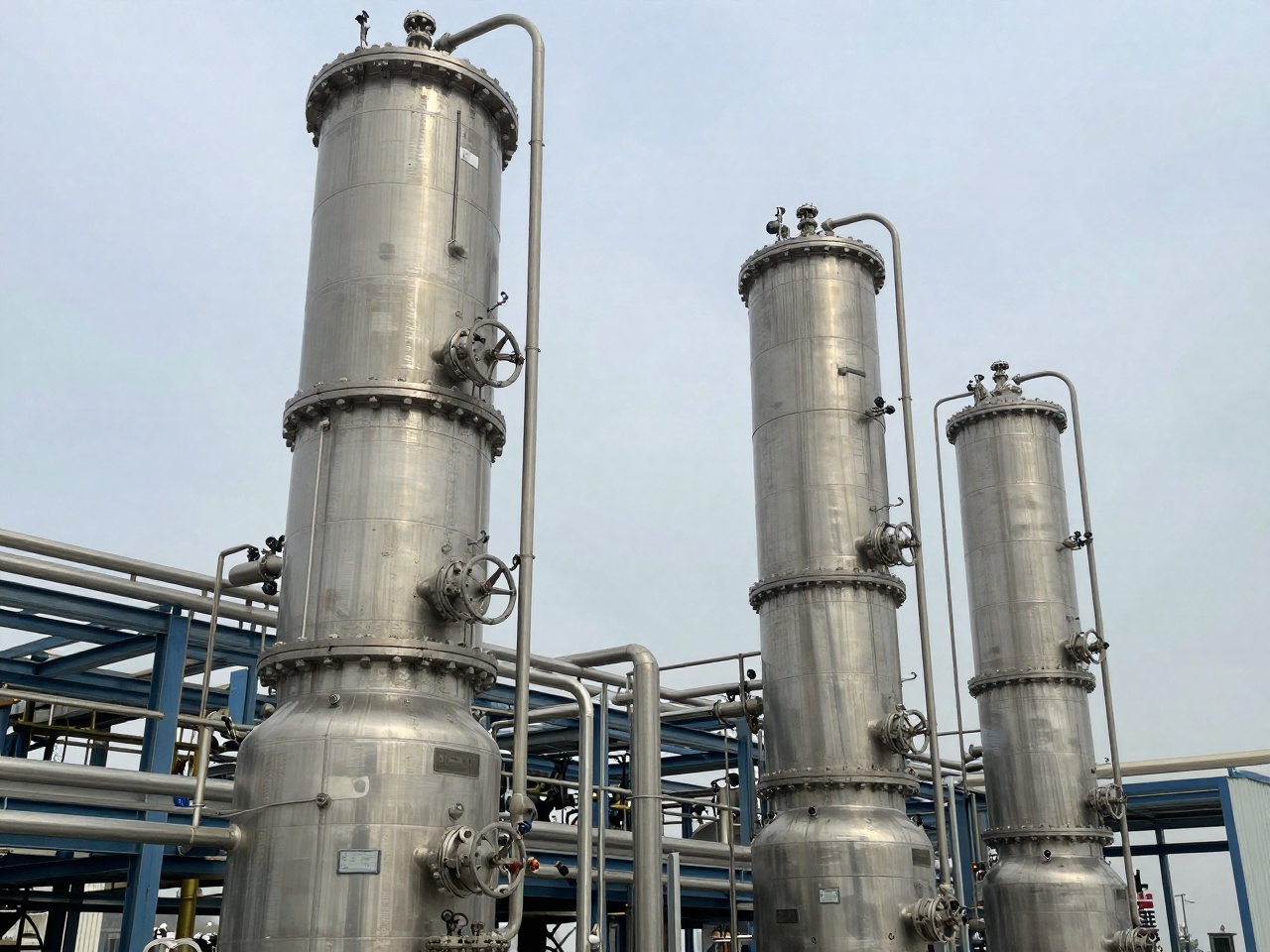
What comes off the chlorosilane critical path
Medical-grade silicones: a per-batch crosslinking record.
LSR and RTV silicones for implants, catheters and valve membranes are Class III medical devices under EU MDR 2017/745, and they demand a documented, repeatable crosslinking process for every batch. The same addition-cure chemistry runs here - the difference is the weight the record carries.
Crosslinking documented for the CE dossier - a clean division of labor.
Raman owns the composition and cure side of the batch record, continuously and in-process:
- Crosslinking degree from the Si-H band near 2160 cm⁻¹ and the vinyl C=C band near 1600 cm⁻¹, per batch
- A continuous, time-stamped process record for the CE dossier and the Notified Body review
- Composition and cure confirmed in-process, not reconstructed from pulled samples
Residual platinum catalyst is quantified by ICP as an element - a clean division of labor, with Raman owning the composition and crosslinking side. Every acquisition is stored and exportable as a per-batch record alongside the ISO 10993 biocompatibility documentation.
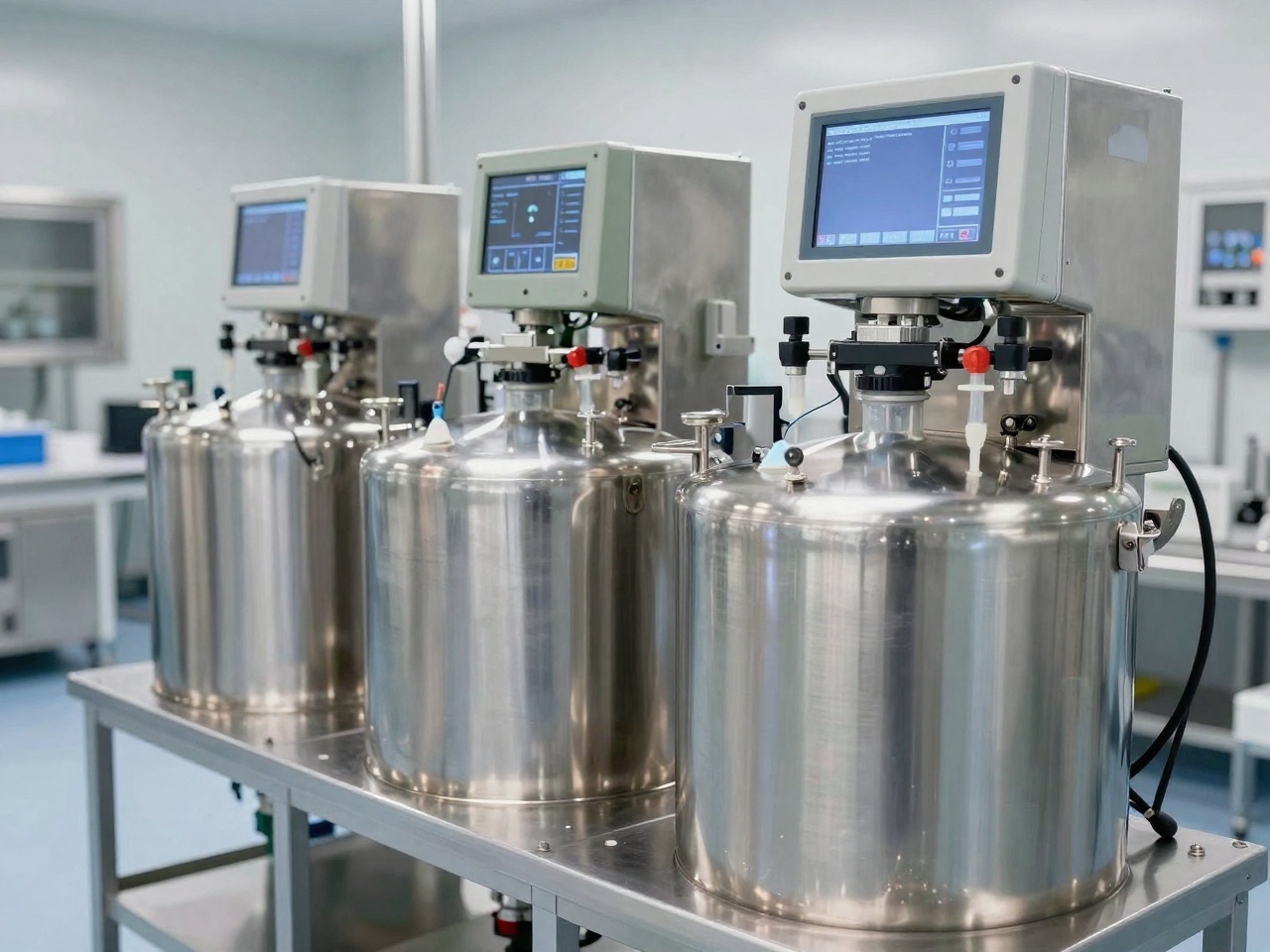
Four chemistries. The same instrument, the same workflow.
Every stream above is measured by the same platform: a Spectrally X1 PROBE in the vessel or line, the Spectrally X1 INLINE analyzer up to 100 m away by fiber, and Spectrally OS turning spectra into process values over PROFIBUS and PROFINET. What changes per chemistry is the chemometric model - built and validated on your matrix during the feasibility study.
One probe family across silicones
316L immersion probe, IP67, ATEX / IECEx Zone 0 versions on the 30 mW laser, up to 16 bar, -40 to +125 °C. Fused silica window as standard, sapphire (Al₂O₃) for corrosive chlorosilane and HCl media. The self-cleaning module retracts and rinses the optics between reads, so curing silicone stays readable.
A dedicated model per matrix
AI / advanced chemometrics with a CNN core in Spectrally OS, trained on your recipes against laboratory reference values - the benchmark it is measured against is PLS / PCA. Calibration maintains itself from a reference in the probe, and models update without stopping the line.
Values, not spectra, in the control room
Chain length, cure state and D/T/M ratios arrive as ordinary process tags over PROFIBUS / PROFINET. Every measurement is stored and exportable - CSV, PDF or raw spectra - as a per-batch record for the quality and compliance dossier.
PDMS, addition-cure LSR/HCR, chlorosilanes and medical-grade silicones - one measurement layer.
Si-H at 2160, vinyl C=C at 1600 and siloxane at 490 cm⁻¹ - read directly.
A single Raman acquisition takes from 5 seconds.
GC/MS residual cyclics at the top of its range - off the critical path.
Start with your own silicone chemistry.
Send representative samples from your PDMS, LSR/HCR, chlorosilane or medical-grade silicone process. We build and validate a chemometric model on your matrix in the Gekko lab and report exactly what inline Raman reads on your line - residual cyclics, crosslinking, chain length - before any hardware decision.