Every number on your CE dossier is written in the stream.
Reg (EU) 2019/1009 puts declared nitrogen, sulfur and the N/S ratio at the centre of CE marking for fertilising products. A continuous, time-stamped composition record turns that trail into a document a customer audit can read line by line.
CE marking rests on the composition you can document.
Reg (EU) 2019/1009 sets the composition documentation behind the CE mark for fertilising products. For ATS, KTS and CaTS that means declared nitrogen and sulfur content and the N/S ratio - the numbers set in the absorption stream, not in the lab afterwards.
What the rules cover
Reg (EU) 2019/1009 governs CE-marked fertilising products across the EU market, in force since 16 July 2022. Declared N and S content and the N/S ratio have to be documented for the composition dossier behind the CE mark.
Who it touches in the sulfur-fertilizer chain
Producers of ATS (12% N + 26% S), KTS and CaTS liquid thiosulfate fertilizers, and AMS. The requirement is enforced indirectly - through customer audit, Notified Body review and buyer specification - so the composition record has to hold up on demand.
What continuous measurement adds
The declared numbers come today from iodometric thiosulfate titration (20-30 min) or ion chromatography (30-60 min). An inline Raman probe - measuring directly in the absorption stream, with no sample drawn - reads thiosulfate concentration and the N/S ratio in about 5 s and writes a time-stamped record the dossier can draw on continuously.
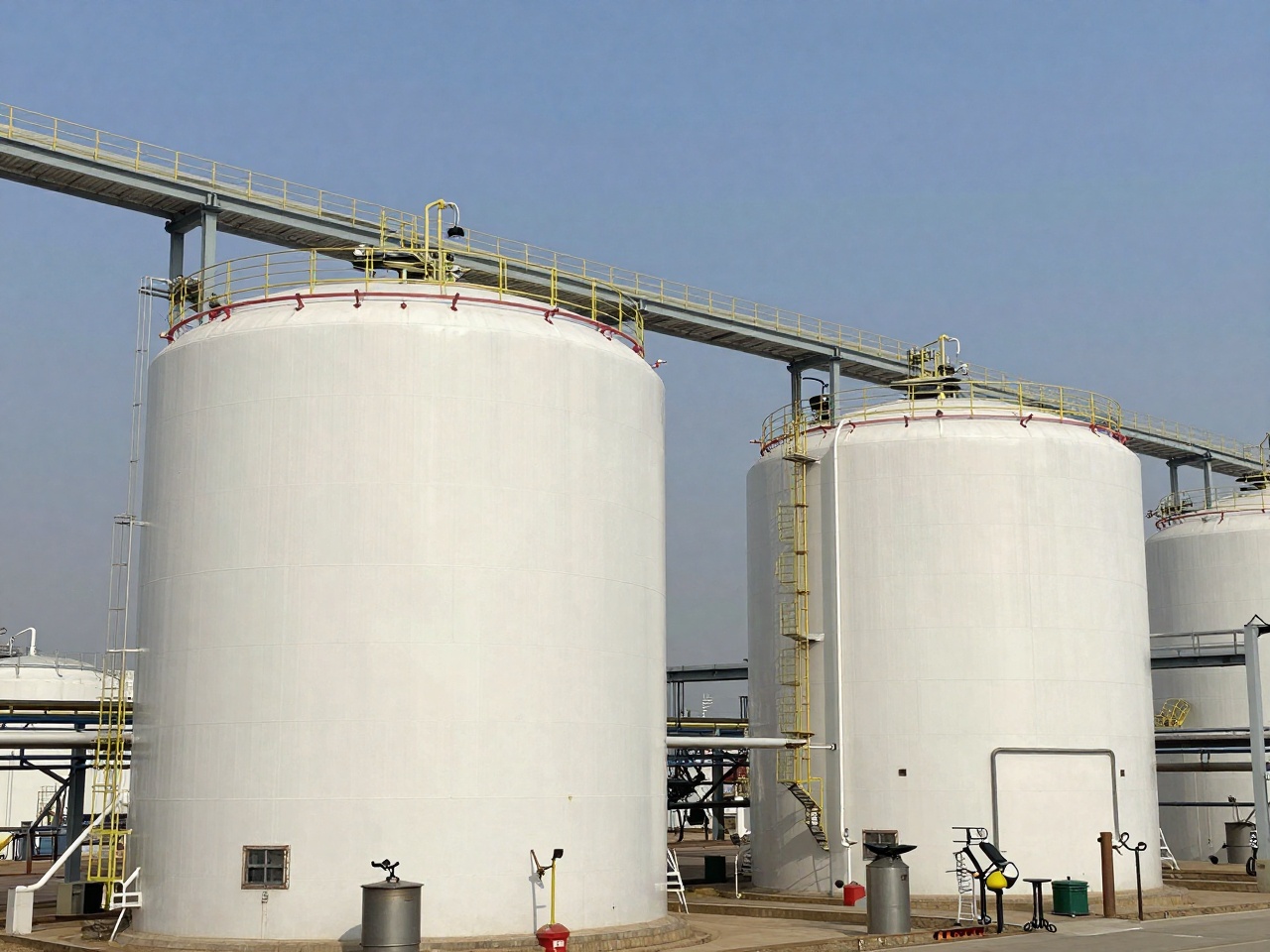
One record covers the declared composition end to end.
The CE composition dossier is built from a short list of numbers. Read continuously in the stream, they arrive already time-stamped and ready for the file - and the trace-metal certification a standard may call for runs in parallel on its established method.
Declared N, S and N/S ratio
CE marking of a fertilising product rests on documented composition. For thiosulfate and sulfate fertilizers that is declared nitrogen, declared sulfur and the N/S ratio - the parameters an inline probe reads directly in the stream.
Applies across the EU market
The regulation applies to ATS, KTS, CaTS and AMS placed on the EU market. A continuous composition record is documentation the dossier can lean on for every stream, not once per shift.
Enforced on demand
Enforcement runs through customer audit, Notified Body review and buyer specification. A time-stamped inline trail is the answer to an audit that asks how composition was held, batch after batch.
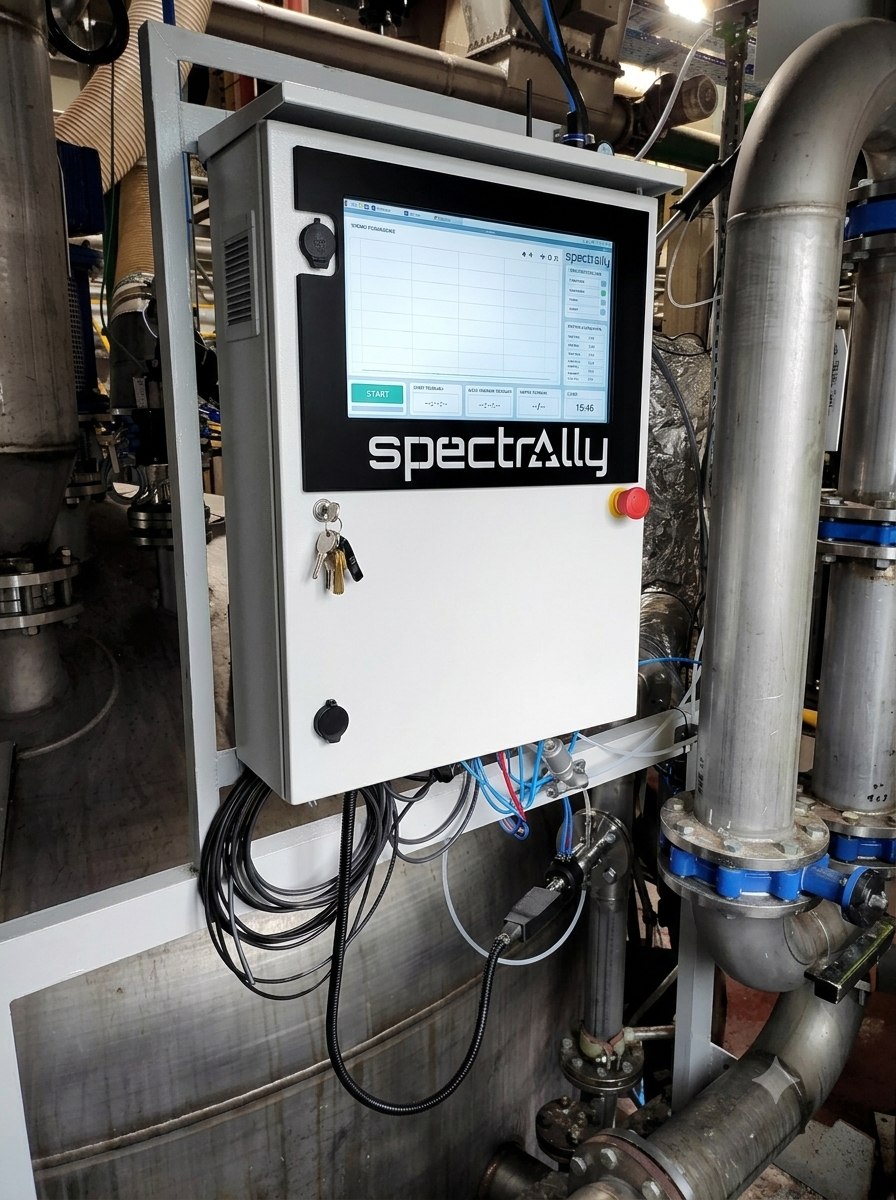
What the analyzer reads here
Spectrally X1 INLINE measures thiosulfate concentration, the N/S ratio and solution homogeneity directly in the absorption stream, pipeline or tank - continuously, with no sample drawn from the process.
Sulfate SO₄²⁻ carries a strong symmetric-stretch Raman band near 976 cm⁻¹ (Gekko fertilizer study FS-001), a direct handle on the sulfate side and on stream cleanliness - so the sulfur declaration and the quality check come from the same measurement.
Raman covers the declared composition end to end. Where a standard also calls for trace-metal certification, that measurement runs in parallel on ICP, its established method - a clean division of labor across one dossier.
The dossier holds a handful of numbers - stream after stream.
Regulation sets the frame. The working figures - thiosulfate concentration, N/S ratio, declared nitrogen and sulfur - define the product, and holding them consistently is where the measurement problem actually lives.
Ammonium thiosulfate carries a declared N/S ratio; drift off spec turns into customer complaints and CE-documentation gaps. Thiosulfate concentration and homogeneity read live keep the declaration honest.
Potassium and calcium thiosulfate sit in the same family and declare on the same basis - thiosulfate concentration and N/S ratio confirmed continuously rather than once per shift.
Ammonium sulfate declares its sulfur as sulfate SO₄²⁻, a strong Raman scatterer with its symmetric stretch near 976 cm⁻¹ - a direct read on the declared S content.
A continuous inline trail replaces a titration point every shift, so the composition behind the CE mark is documented across the whole stream, not sampled from it.
The compliance record, two ways
See the composition record your stream would write.
Send representative samples from your ATS, KTS, CaTS or AMS process. We build and validate a chemometric model on your matrix and show the thiosulfate concentration and N/S ratio an inline probe would log for every stream - the time-stamped composition trail your CE dossier draws on, before any hardware decision.