Chemistry coverage across the sulfur-fertilizer family.
ATS, KTS and CaTS thiosulfate fertilizers and ammonium sulfate share one master variable - the thiosulfate or sulfate number that has to hit spec, stream after stream. Spectrally X1 INLINE reads it inline - a probe in the process stream itself, reporting to your control system in about 5 seconds - in place of a 20-60 minute titration or ion-chromatography loop.
One measurement layer across the sulfur-fertilizer family.
Thiosulfate and sulfate fertilizers are made by absorbing NH3, H2S and SO2 gases into a continuous aqueous stream. Composition is still read offline: iodometric thiosulfate titration in 20-30 minutes, ion chromatography for the full anion set in 30-60 minutes, densitometry as a concentration proxy with no qualitative composition. The absorption process never stops, so an offline answer arrives after the stream has moved on. Spectrally X1 INLINE puts one Raman measurement layer across the family - a probe in the stream or tank, a chemometric model per matrix, values in your control system in seconds. The sulfur-fertilizer niche carries little published inline-measurement work, so a documented Raman read on the stream is a credible technical position, stated as a fact rather than a claim.
Thiosulfate concentration and the N/S ratio define the product. Both read live on the stream, in place of a 20-30 min iodometric titration.
12% N + 26% S, produced by absorbing NH3, H2S and SO2 gases. Sulfur fertilizer and nitrification inhibitor, run as a UAN/RSM additive or standalone.
Related liquid thiosulfate fertilizers on the same anion. Same read - thiosulfate concentration and solution homogeneity, inline.
Nitrogen and sulfur as ammonium sulfate. The sulfate band near 976 cm-1 is read directly off the spectrum.
Ammonium thiosulfate: the spec is the thiosulfate number.
ATS is 12% N + 26% S, made by absorbing NH3, H2S and SO2 gases into an aqueous stream, and used as a sulfur fertilizer and nitrification inhibitor - a UAN/RSM additive or a standalone on sulfur-poor soils. Thiosulfate concentration and the N/S ratio have to hold spec through the run; a deviation surfaces downstream as customer complaints and CE-certification problems.
From a 20-30 minute titration to a live stream value.
The absorption process runs a continuous stream, so the offline loop is always behind it: iodometric titration returns thiosulfate in 20-30 minutes, ion chromatography resolves the full anion set in 30-60 minutes, and densitometry gives only a concentration proxy with no composition. The probe reads the liquor where it flows:
- Thiosulfate concentration, live on the stream instead of by 20-30 min iodometric titration
- N/S ratio, confirmed continuously rather than once per shift
- Solution homogeneity across tank and line, without spot sampling
Thiosulfate S2O3^2- is a strong Raman-active oxyanion, and water is a weak Raman scatterer, so Raman reads the aqueous stream well inline. ATS liquors are clear, low-fouling streams; the self-cleaning retractable probe cycles retract → rinse → return to keep the optical window clear through long campaigns.
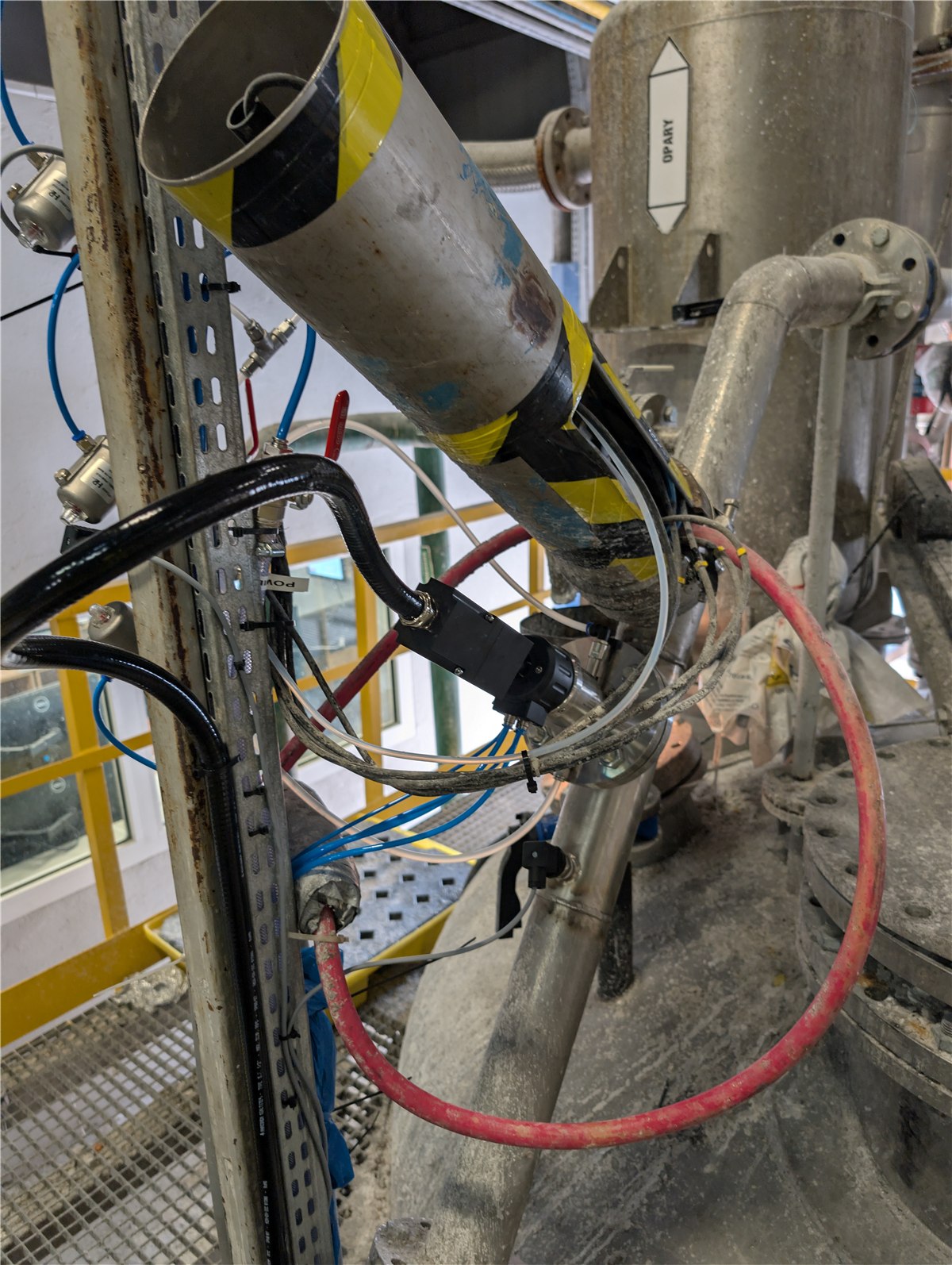
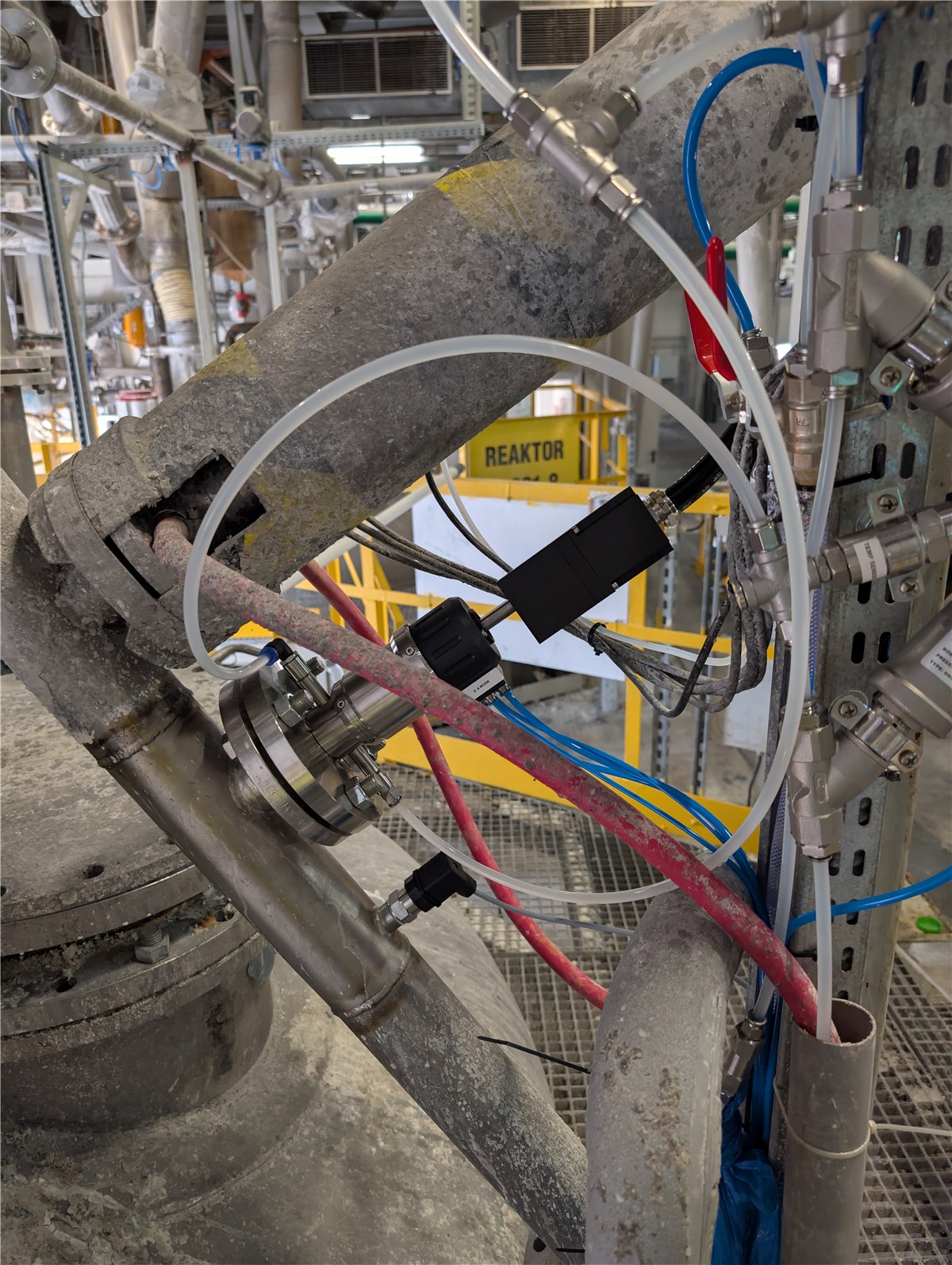
A strong Raman-active oxyanion
The thiosulfate ion S2O3^2- has well-defined Raman bands and is read directly in the aqueous stream, with no reagents and no sampling. Gekko classifies ATS as TIER S - a ready-to-deploy configuration on the thiosulfate matrix.
Sulfate band at 976 cm-1
In a Gekko fertilizer study (FS-001) the sulfate symmetric stretch was measured directly near 976 cm-1; in rinse water (FS-003) sulfate reads as a cleanliness handle and nitrate is detectable. The sulfate side of the product carries a direct optical handle.
One plant, documented economics (resins)
A European PF-resin producer ran a self-cleaning reactor probe on phenol and formaldehyde inline: payback in roughly 6.5 months, about 180,000 EUR saved per year, -10% raw-material losses, -12% production waste and under 1.5% batch-to-batch variability. These numbers are from the resin segment; your ATS feasibility study puts the equivalent figures on your own stream.
What comes off the ATS critical path
Potassium and calcium thiosulfate: the same read, a different cation.
KTS and CaTS are liquid thiosulfate fertilizers built on the same anion as ATS. The measurement approach is identical - thiosulfate concentration and solution homogeneity read inline, against the same 20-30 min iodometric titration and 30-60 min ion chromatography. Only the chemometric model changes, retrained on the KTS or CaTS matrix.
One probe, the whole thiosulfate family.
The thiosulfate oxyanion carries the signal regardless of the cation, so the same platform and workflow cover the potassium and calcium grades. The probe reads the blending line or the storage tank directly:
- Thiosulfate concentration, live on the blending line or in the tank
- Solution homogeneity across the batch, without spot sampling
- Nutrient-to-sulfur ratio confirmed continuously as the product is made
The self-cleaning retractable probe holds the same clear-liquor advantage as on the ATS stream, and the model is validated on your KTS or CaTS matrix during the feasibility study.
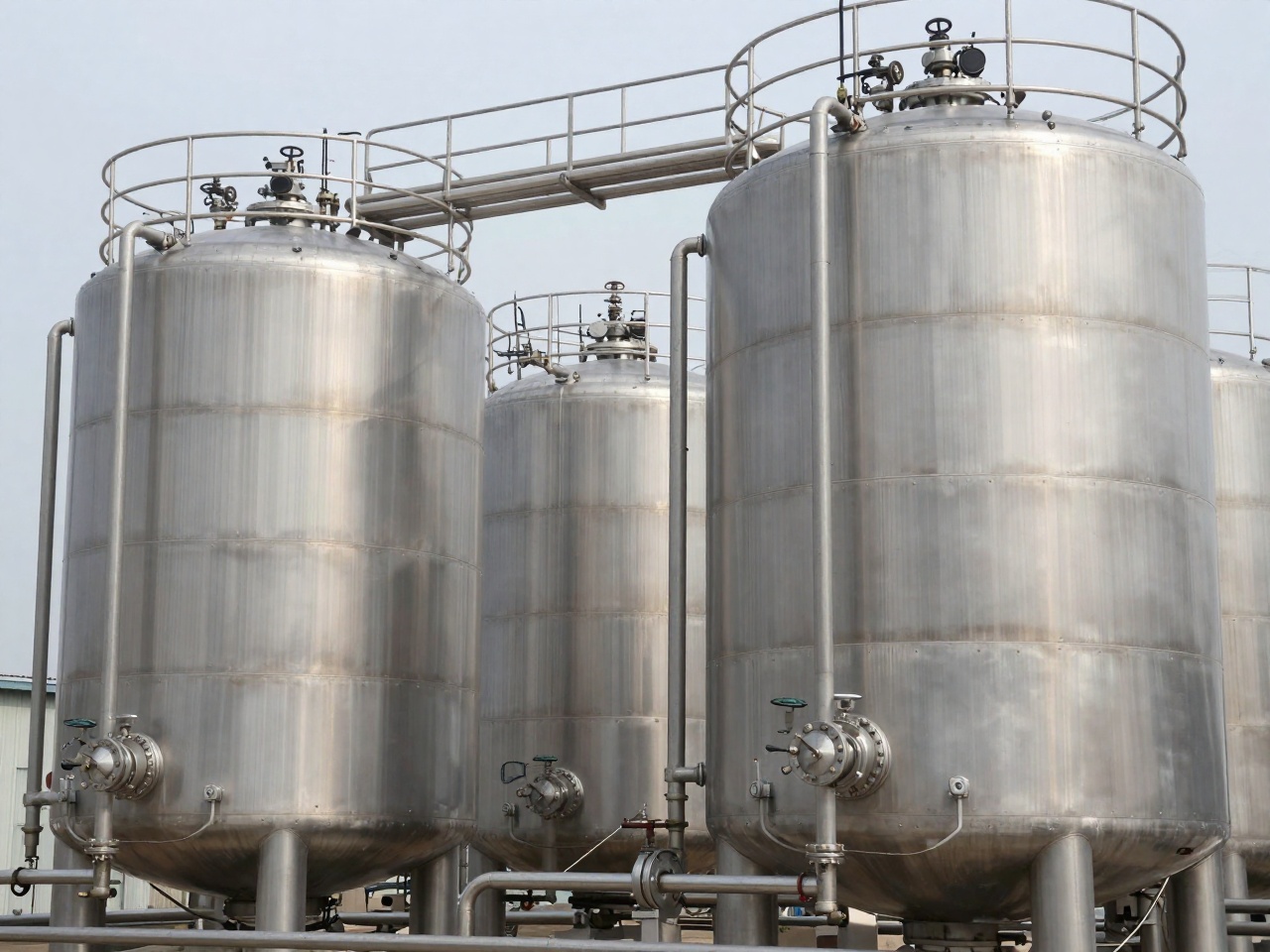
Ammonium sulfate: the sulfate band reads directly.
AMS carries nitrogen and sulfur as ammonium sulfate. The sulfate oxyanion SO4^2- is a strong Raman scatterer with a well-defined symmetric-stretch band near 976 cm-1, measured directly in a Gekko fertilizer study (FS-001), so sulfate concentration and solution cleanliness read inline without titration or ion chromatography.
Sulfate at 976 cm-1, straight off the spectrum.
The symmetric-stretch band gives a direct, specific handle on the sulfate side of the product, in place of a 30-60 min ion-chromatography loop or a densitometric proxy:
- Sulfate SO4^2- concentration from the 976 cm-1 symmetric-stretch band
- Solution homogeneity and stream clarity, live
- Off-trend drift caught in-process, before it becomes a customer complaint
Same platform, same workflow as the thiosulfate streams - the model is retrained on the AMS matrix during the feasibility study and benchmarked against your reference method.
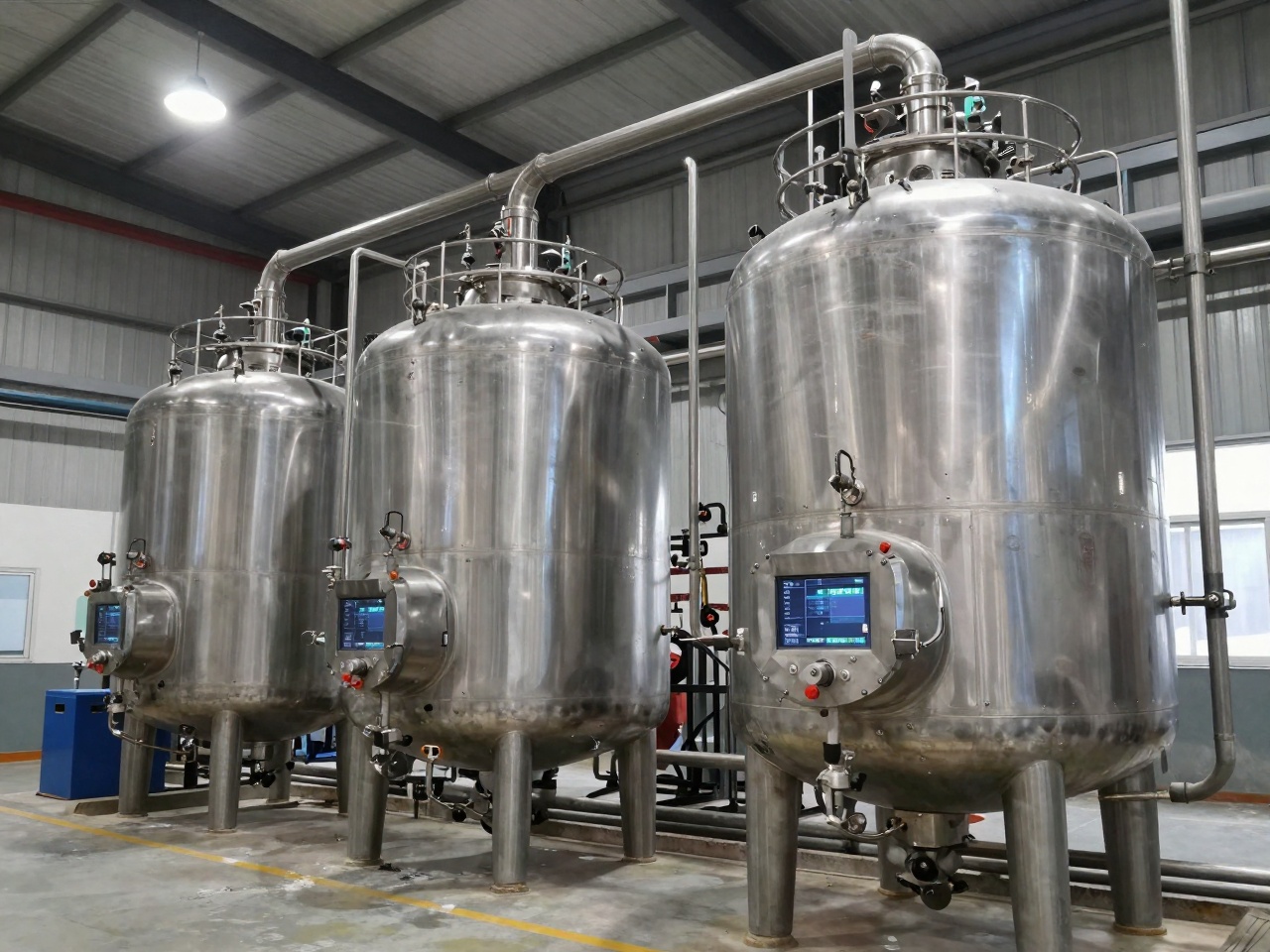
What comes off the AMS critical path
Three chemistries. The same instrument, the same workflow.
Every stream above is measured by the same platform: a Spectrally X1 PROBE in the stream or tank, the Spectrally X1 INLINE analyzer up to 100 m away by fiber, and Spectrally OS turning spectra into process values. What changes per chemistry is the chemometric model - built and validated on your matrix during the feasibility study.
One probe family across streams
316L immersion probe, IP67, ATEX/IECEx Zone 0 versions, -40 to +125 °C, up to 16 bar, pH 2-10 continuous. The self-cleaning retractable module cycles retract, rinse and return to keep the optics clear; ATS, KTS and AMS liquors are clear, low-fouling aqueous streams.
A dedicated model per matrix
AI and advanced chemometrics with a CNN core in Spectrally OS, trained on your thiosulfate or sulfate recipes against laboratory reference values - iodometric titration and ion chromatography - and more accurate and faster than traditional PLS/PCA. Auto-calibration reference is integrated in the probe; models update without stopping the line.
Values, not spectra, in the control room
Concentrations and ratios arrive over PROFIBUS / PROFINET as process tags to PLC/DCS and MES/SCADA/LIMS. Every measurement is stored and exportable - CSV, PDF or raw spectra - as a per-batch, time-stamped composition record that strengthens a CE dossier under (EU) 2019/1009.
ATS, KTS/CaTS and AMS on one measurement layer.
A single Raman acquisition takes from 5 seconds.
Iodometric thiosulfate titration, taken off the critical path.
Ion chromatography full-anion analysis at the top of its range.
Start with your own thiosulfate stream.
Send representative samples from your ATS, KTS, CaTS or AMS process. We build and validate a chemometric model on your matrix in the Gekko lab, benchmark it against your iodometric titration or ion chromatography, and report exactly what inline Raman reads on your stream. Your feasibility study puts the numbers on the table before any hardware decision.