The dated limits on your silicone set a compliance clock the line reads live.
Regulation (EU) 2024/1328 on cyclic siloxanes, EU MDR 2017/745 on Class III medical silicones and REACH on chlorosilane composition resolve to the same handful of bands - residual D4/D5/D6 near 490 cm⁻¹, Si-H near 2160 and vinyl near 1600 - fixed in the reactor long before an offline method confirms them. A continuous, time-stamped inline record, measured directly in the line with no sample drawn, answers each.
The 0.1% cyclics limit is set in the PDMS reactor.
Regulation (EU) 2024/1328 holds D4, D5 and D6 below 0.1% by weight in consumer products from 06.06.2026, and in leave-on cosmetics from 06.06.2027. The residual cyclics behind that limit are fixed earlier, during the polycondensation of the PDMS - which is where the number can still be moved.
What the rule covers
Regulation (EU) 2024/1328 caps D4 + D5 + D6 at below 0.1% by weight - in consumer products from 06.06.2026 and in leave-on cosmetics from 06.06.2027. It is a hard, dated limit, and product carrying residual cyclics above it does not move into the covered market.
Who it touches in the silicone chain
Producers of PDMS fluids, gels and rubber feeding consumer goods and cosmetics. The residual cyclics in your silicone are upstream of your customer's compliance, and they are documented batch by batch as the ceiling comes into force.
What continuous measurement adds
The standard figure comes from GC/MS: a manual sample, 60 to 120 minutes per point, extraction included. An inline Raman probe - reading directly in the reactor or line, without drawing a sample - separates cyclic from linear siloxane at the ~490 cm⁻¹ band and writes a time-stamped residual-cyclics record for every batch.
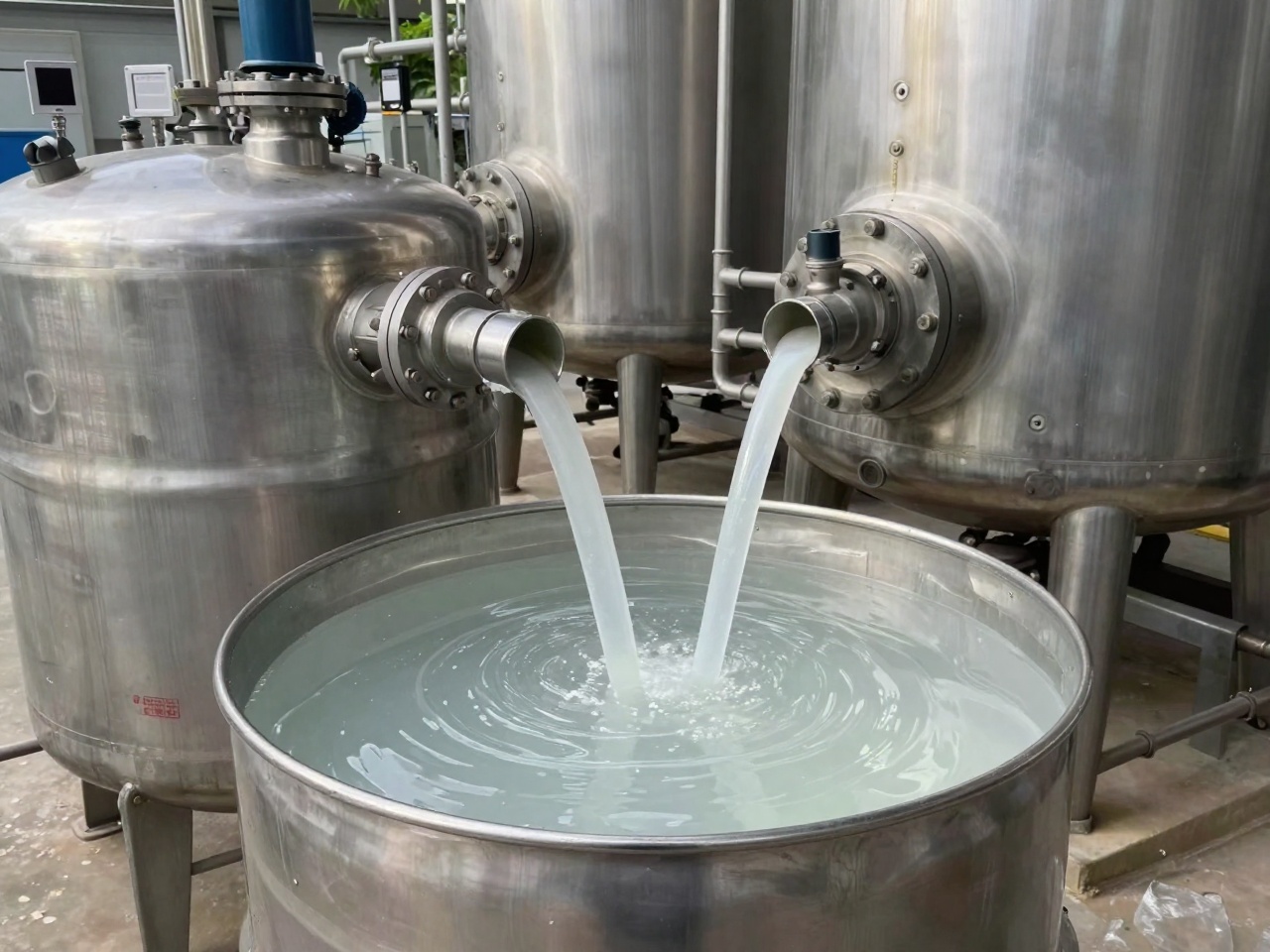
Class III silicones need a crosslinking record for every batch.
EU MDR 2017/745 requires a documented, repeatable crosslinking process per batch for Class III medical silicones - the LSR and RTV grades used in implants, catheters and valve membranes. ISO 10993 adds biocompatibility documentation per batch, and both feed the CE dossier the Notified Body reviews.
What it covers
MDR 2017/745 places implantable and long-term-contact silicones in Class III, where the crosslinking process has to be documented and repeatable for every batch. ISO 10993 governs the biocompatibility record. Together they turn cure state into a certified, per-batch parameter.
Who it touches
Producers of medical-grade LSR and RTV silicones for implants, catheters and valve membranes. Selling a Class III device means the crosslinking degree behind each batch is evidenced in the technical file, not assumed from a cure schedule.
What continuous measurement adds
Cure state is read directly from the vanishing Si-H band near 2160 cm⁻¹ and the vinyl C=C band near 1600 cm⁻¹ - the addition-cure reaction itself - where the offline routine is gel-time by observation or DSC at 30 to 90 minutes. A continuous inline crosslinking record documents each batch for the CE dossier, while residual Pt catalyst is quantified by ICP as an element: a clean division of labor, with Raman owning the composition and cure side.
One inline record answers three dossiers at once.
REACH Reg (EC) 1907/2006 requires composition documentation for chlorosilanes and the substances placed on the market. Read alongside the cyclics ceiling and the medical crosslinking file, it points at the same deliverable - a continuous, time-stamped inline composition and cure record that each dossier can draw on.
Residual cyclics, per batch
D4 + D5 + D6 read from the cyclic-versus-linear siloxane band near 490 cm⁻¹ and logged continuously - each batch documented against the 0.1% ceiling as its dates come into force.
Crosslinking audit trail
Cure state from the Si-H band near 2160 cm⁻¹ and the vinyl band near 1600 cm⁻¹, recorded per batch as the continuous process evidence a Class III technical file needs.
Chlorosilane composition on file
The Me2SiCl2 / MeSiCl3 / Me3SiCl (D/T/M) ratio read inline after the Muller-Rochow reactor through a sapphire (Al2O3) window that stands up to the corrosive HCl by-product.
What the analyzer reads here
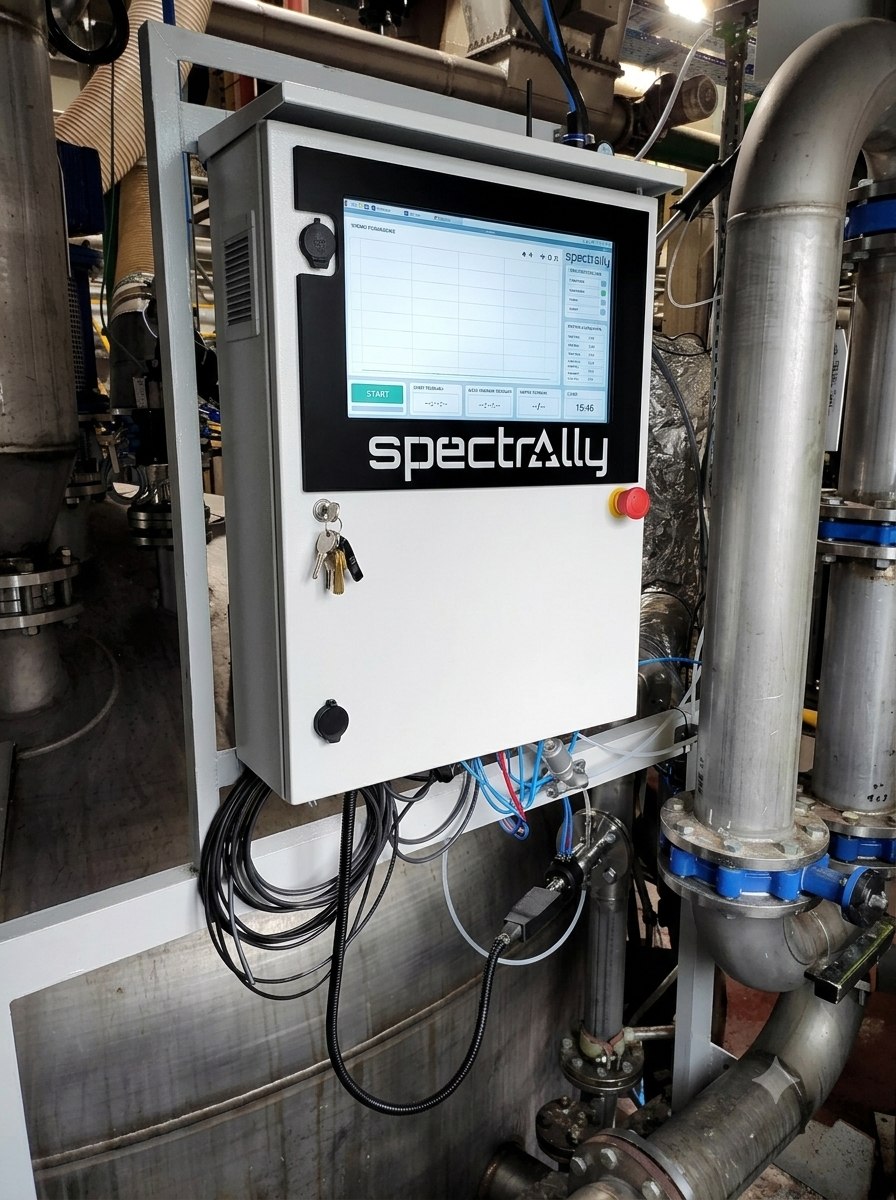
Spectrally X1 INLINE measures residual cyclics, silanol, vinyl content and cure state directly in the reactor or line - during production, not after it. The immersion probe sits in the process; no sample is drawn from the stream.
On the chlorosilane side, the D/T/M composition is read straight after the Muller-Rochow reactor, where a sapphire window handles the corrosive HCl by-product that offline GC has to protect against at the sampling point.
Residual Pt catalyst certification stays with ICP as an element, and GC/MS and DSC remain the reference methods on file. The inline record takes the waiting off the batch decision - the certification keeps its place, now backed by hundreds of continuous measurements instead of a handful of offline points.
The tightest limits arrive with the purchase order.
Regulation sets the frame. The working numbers - residual cyclics, cure state, vinyl and silanol content, the D/T/M ratio - come from silicone buyers and the dated limits. Holding them batch after batch is where the measurement problem actually lives.
Residual D4/D5/D6 has to sit below the 0.1% limit for consumer and cosmetic use. Read from the ~490 cm⁻¹ siloxane band, cyclic against linear, continuously through the condensation.
Crosslinking is confirmed from the vanishing Si-H band near 2160 cm⁻¹ and the vinyl C=C band near 1600 cm⁻¹ - in-process, not from a gel-time impression.
Class III LSR and RTV need a documented, repeatable cure per batch. A continuous inline record is the process evidence behind the technical file.
The Me2SiCl2/MeSiCl3/Me3SiCl ratio sets the silicone that follows. Read inline after the reactor through a sapphire window built for corrosive HCl.
The batch record, two ways
See the compliance record your line would write.
Send representative samples from your PDMS, LSR/HCR, chlorosilane or medical-grade silicone process. We build and validate a chemometric model on your matrix and show the residual-cyclics and crosslinking trail an inline probe would log for every batch - before any hardware decision.