Real feasibility numbers, on real alkyd resin.
The acid value and viscosity endpoint of an alkyd resin, read inline - in the reactor itself, no sampling and no 30-to-60-minute wait on an ISO 3682 titration. In a feasibility study at a resin producer, a CNN chemometric model on the full Raman spectrum tracked acid value at R 0.982 to 0.998 and viscosity at R 0.988 to 0.998 against the lab reference.
A validated measurement on your resin - before any hardware.
A Gekko feasibility study answers one question with numbers: can inline Raman read your reaction endpoint - acid value, viscosity, monomer conversion - in your chemistry, at the accuracy you need. Inline means the measurement happens in the reactor itself, through an immersion probe, with no sampling and no 30-to-60-minute wait on the lab. Real samples, a CNN chemometric model built on your matrix, and a report with the accuracy figures on the table.
The study runs on the Spectrally X1 with the same measurement and model stack that later runs on the Spectrally X1 INLINE at your line - at-line on samples first, then with the immersion probe under near-process conditions. What the report shows is what the analyzer reads in production.
Your samples, measured against your reference method
An alkyd or acrylic reactor is not a generic matrix. The study correlates the Raman spectrum of your resin with the method you run today - ISO 3682 acid-value titration, offline viscometry, GC for residual monomer - and reports the agreement, the working bands and the validity range on your own chemistry.
- Measured on a Spectrally X1 Raman spectrometer - 785 nm or 1064 nm laser for drying-oil fluorescence, 8 cm⁻¹ resolution, 300-3500 cm⁻¹ range
- At-line in vials, in-line with an immersion probe, or on-site at the reactor with a mobile unit
- Model metrics reported against your reference values, with the validity range stated
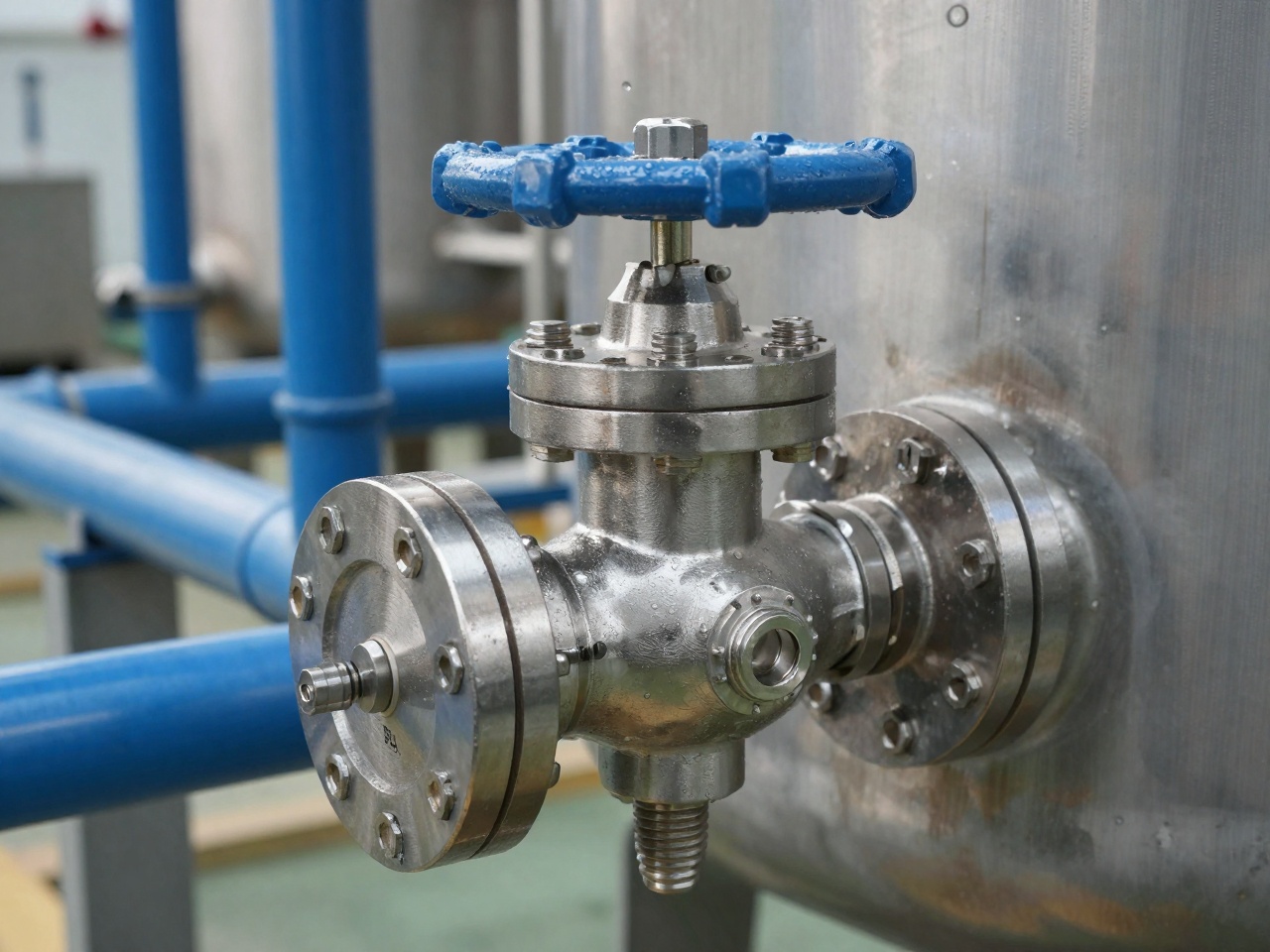
Representative process samples - reactor pulls, cans, resin solutions in solvent - or existing spectra and reference datasets on your alkyd, acrylic or composite resin.
Full-spectrum models - acid/ester carbonyl band ratio, regression, CNN core - correlated against your reference method on your own matrix.
Spectra, band assignments, model metrics versus your reference values, and the validated model on your resin chemistry.
The study delivers the accuracy figures before any instrument decision, so the pilot rests on quantified fact.
Numbers first. The study follows below.
From an alkyd acid-value and viscosity feasibility at a resin producer, measured with the Spectrally X1 and an immersion probe inline, validated against ISO 3682 titration and offline viscometry.
CNN model on the full Raman spectrum versus ISO 3682 titration, R 0.982 to 0.998 across the feasibility.
Mean absolute error against the reference titration - a precise endpoint read from the acid/ester carbonyl band ratio.
Viscosity built live from the same spectrum, R 0.988 to 0.998 - stop the reactor on data, not on the clock.
A value in real time at the reactor, against 30 to 60 min ISO 3682 titration that needs a reactor stop and manual sampling.
The feasibility work behind the numbers.
The studies are anonymized by policy - no producer names, no locations. The chemistry, the bands and the numbers stay exactly as measured.
Acid value and viscosity from one spectrum
A resin producer controlled the two endpoint parameters of its alkyd resins - acid value and viscosity - by ISO 3682 titration and offline viscometry, with results arriving well after the reaction had moved on. The study ran in two stages on alkyd resin in organic solvent (white spirit D40, xylene): at-line on samples, then in-line with the Spectrally X1 immersion probe under near-process conditions, without sample preparation.
- Acid value has no single dedicated band, so a CNN chemometric model links the whole Raman spectrum to the parameter, built on the acid/ester carbonyl (C=O) band ratio near 1710 / 1730 cm⁻¹ - advanced chemometrics, not simple peak picking
- Acid value model vs lab R 0.982 to 0.998, with a mean absolute error of about 0.015 mg KOH/g against ISO 3682 titration
- Viscosity read from the same spectrum at R 0.988 to 0.998 - one measurement, both endpoint parameters
- Result in real time at the reactor, against a 30-to-60-minute titration that requires stopping the reactor and sampling from a medium above 220 C
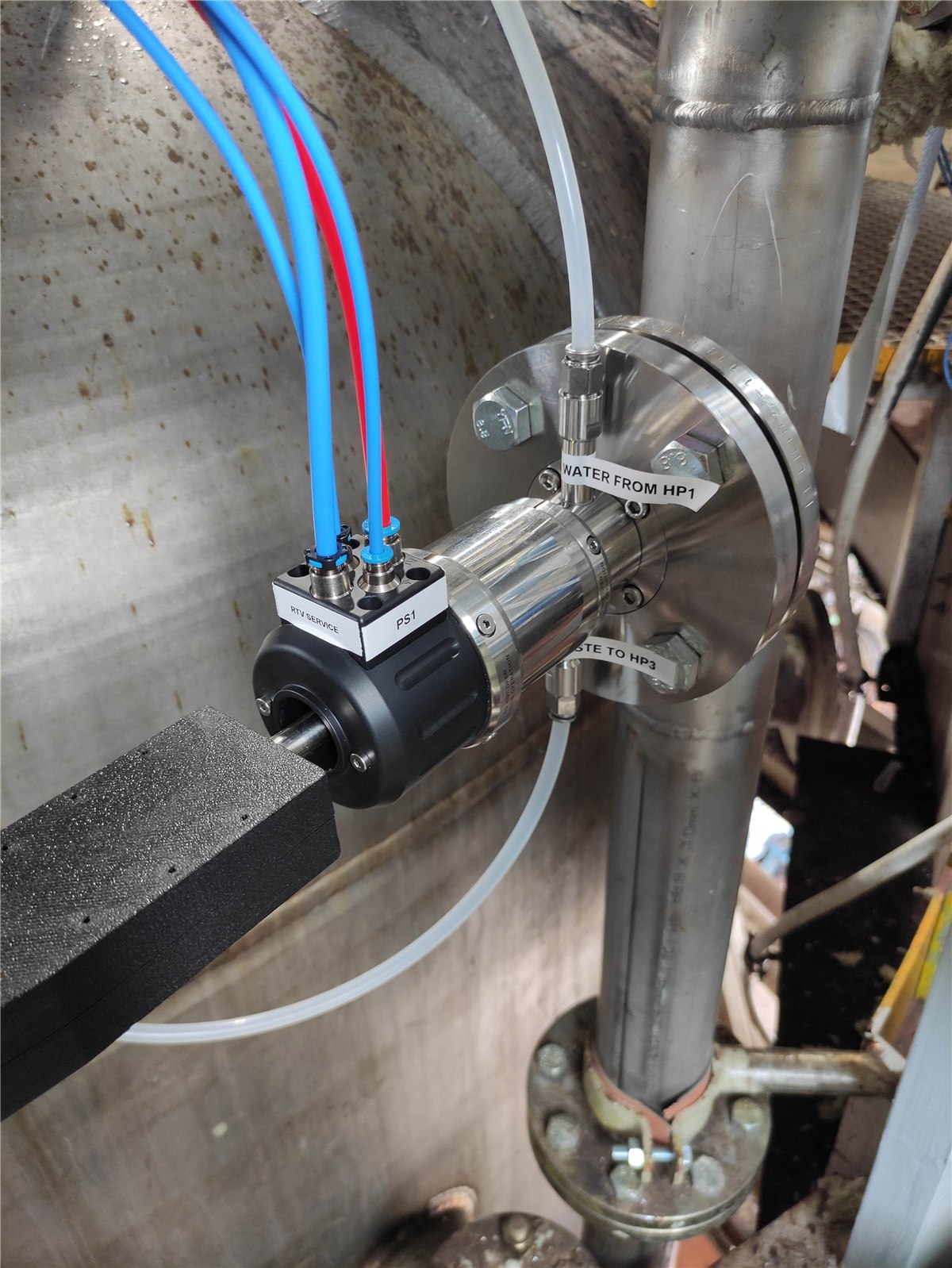
Filler and pigment identity on the resin matrix
A companion study confirmed filler and pigment identification on the customer's own paint and resin matrix, run through the same sequence: Samples, Measure, Model, Report. The molecular fingerprint carries the identity, and the model reads it directly from the spectrum.
- Measured spectra with band assignments on the customer's resin matrix
- A chemometric model built on that matrix, validated against the reference method (titration / GC)
- Model metrics reported against the reference values, with a clear result
- Same Raman platform and CNN core as the acid-value work - identity and composition from one molecular fingerprint
From a crate of samples to a validated model.
The sequence is the same whether the study runs in the Gekko lab or on-site at your plant with a mobile unit.
Measured against your reference method
Study samples are read in parallel on the Raman system and the method you run today - ISO 3682 acid-value titration, offline viscometry, GC for residual monomer. The model carries the agreement with those values, and that agreement is what the report shows.
The mode matches your process
At-line in vials for screening, an immersion probe for near-process conditions, or on-site measurement at the reactor with a mobile unit. Once the analyzer is on the line, each result lands in 5 s.
Built for viscous, fouling media
Coating and composite reactors run drying oils, pigments and high-solids resin. The self-cleaning retractable probe - retract, rinse, return - keeps the optical window clean without interrupting measurement, and the 30 mW ATEX laser reads solvent-bearing media in Zone 0.
What lands on your desk.
Every study closes with the same set of deliverables - the validated model and the numbers to take to a pilot.
Measured spectra with band assignments, model performance against your reference values, and the result on your resin.
A CNN chemometric model scoped to your alkyd, acrylic or composite chemistry - full-spectrum, built on the carbonyl or monomer bands - with its validity range.
Where the measurement sits - immersion probe in the reactor or the circulation line, ATEX Zone 0 for solvent-bearing media - and the recommended hardware configuration for a pilot.
The parameter and matrix range the model is validated across, with the acid-value and viscosity accuracy quantified on your own resin.
The hardware the model runs on
A validated model transfers to the process as Spectrally X1 INLINE with the immersion Spectrally X1 PROBE and its self-cleaning module - the retract, rinse and return cycle keeps the optical window clean without interrupting measurement - and Spectrally OS turning the spectrum into acid value, viscosity and PASS/FAIL for your PLC, DCS and MES. The 30 mW ATEX laser reads solvent-bearing alkyd media in Zone 0. Same chemistry, same bands, on your line, 24/7, with deployment typically 3 to 5.5 months.
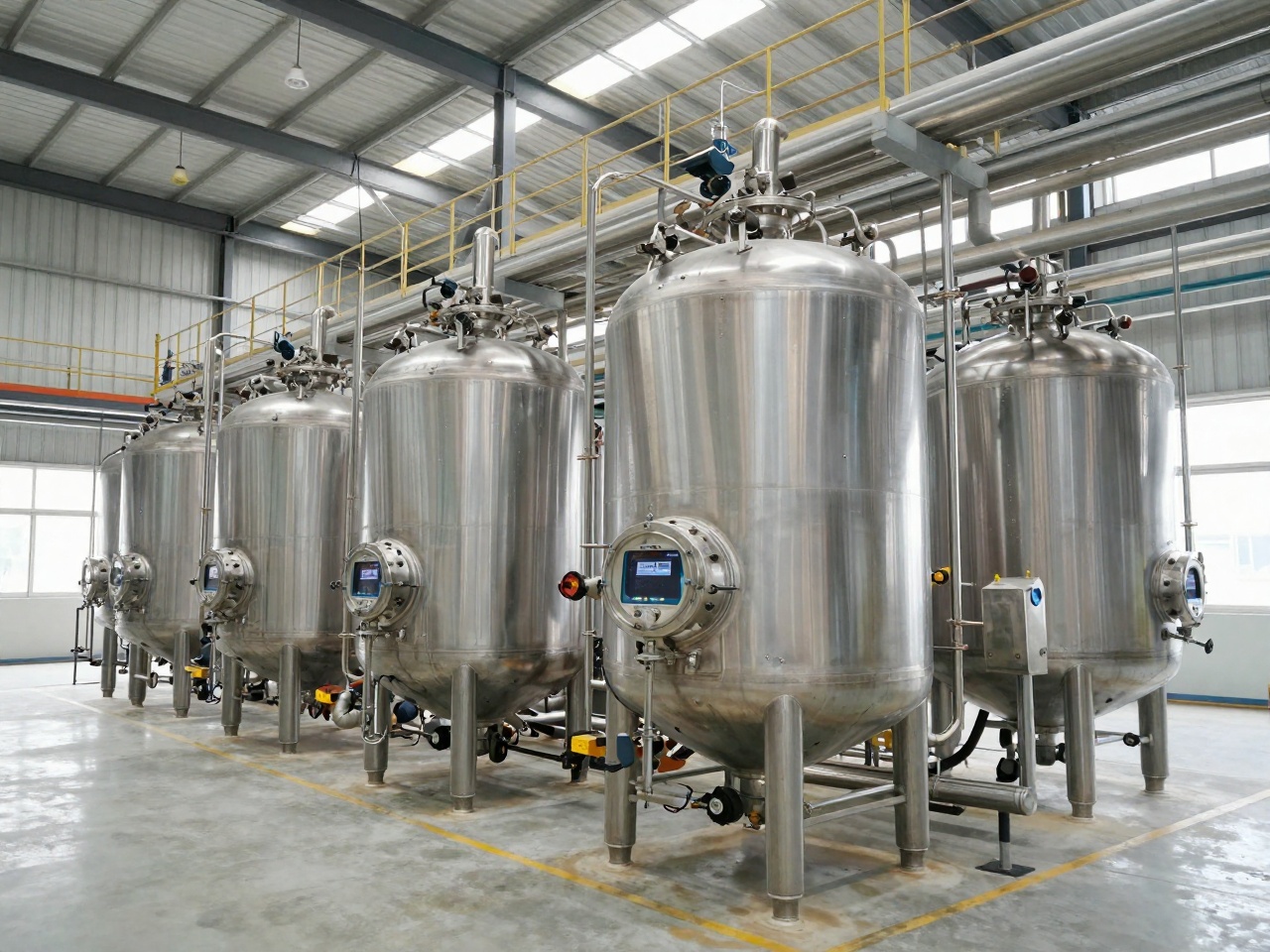
Run the study on your resin.
Send representative samples or R&D data from your alkyd, acrylic or composite-resin process. We measure them against your reference method - ISO 3682 titration, offline viscometry or GC - build the CNN chemometric model on your matrix and hand you the validated model and the accuracy figures, ready to take to a pilot.