Three resin chemistries. One measurement layer.
Alkyd, acrylic and vinyl-silicone composite resins - the coating and composite chemistries this mini-site covers, and what Spectrally reads inline, in the reactor itself with no sample drawn, in each of them.
One measurement layer, from esterification to the shipped resin.
Alkyd, acrylic and vinyl-silicone composite resins run different chemistries, but they share one blind spot: the reaction endpoint comes back from titration or chromatography 30 to 120 minutes after a sample is pulled - and the alkyd draw comes from a medium above 220 °C. Spectrally X1 INLINE puts one Raman measurement layer across all three. An immersion probe reads the mixture where it reacts, a chemometric model per matrix turns the spectrum into numbers, and the reaction endpoint reaches your PLC or DCS in seconds - no sampling, no reactor stop.
Esterification of phthalic anhydride, fatty acids and glycerol above 220 °C - the base for oil, alkyd and alkyd-acrylic paints. Acid value and viscosity read as the endpoint.
Acrylate / methacrylate copolymers by emulsion or solution polymerization. Monomer conversion and copolymer ratio tracked live from the C=C band.
Pt addition-cure silicone-organic hybrids for adhesives, electronics coatings and high-temperature seals. Crosslinking followed as the vinyl and Si-H bands vanish.
Acid value and viscosity for alkyds, monomer conversion for acrylics - measured in the reactor instead of inferred after the batch.
Alkyd resins: the endpoint you read too late.
Ester polymers built by esterifying phthalic anhydride, fatty acids and glycerol in a reactor above 220 °C - the base for oil, alkyd and alkyd-acrylic paints. The batch is defined by two numbers, acid value and viscosity, and both are the endpoint. Variable reaction kinetics from one drying-oil batch to the next make that endpoint hard to predict, and every overshoot is a solvent correction or an off-spec charge.
From a 30-60 minute titration to a live acid-value curve.
Acid value by titration to ISO 3682 takes 30 to 60 minutes and forces the crew to stop the reactor and draw a manual sample from a medium above 220 °C. The reaction keeps building while the answer travels. The probe reads the acid value inline from the ratio of the acid and ester carbonyl (C=O) bands near 1710 and 1730 cm⁻¹:
- Acid value, continuously through the cook - no reactor stop, no hot sampling
- Viscosity build read from the same spectrum as the endpoint approaches
- Hydroxyl value tracked through the process from the same acquisition
Acid value has no single dedicated band, so a CNN model reads the whole spectrum - Gekko's advanced chemometrics, built on the carbonyl band ratio, not simple peak picking. The medium carries flammable white spirit and xylene, so the measurement runs in the ATEX zone on the 30 mW laser. Drying-oil alkyds fluoresce, where NIR struggles; the 1064 nm laser handles it. Coating reactors foul optical windows fast, so the self-cleaning probe retracts, rinses and returns between reads to hold the signal through a full campaign.
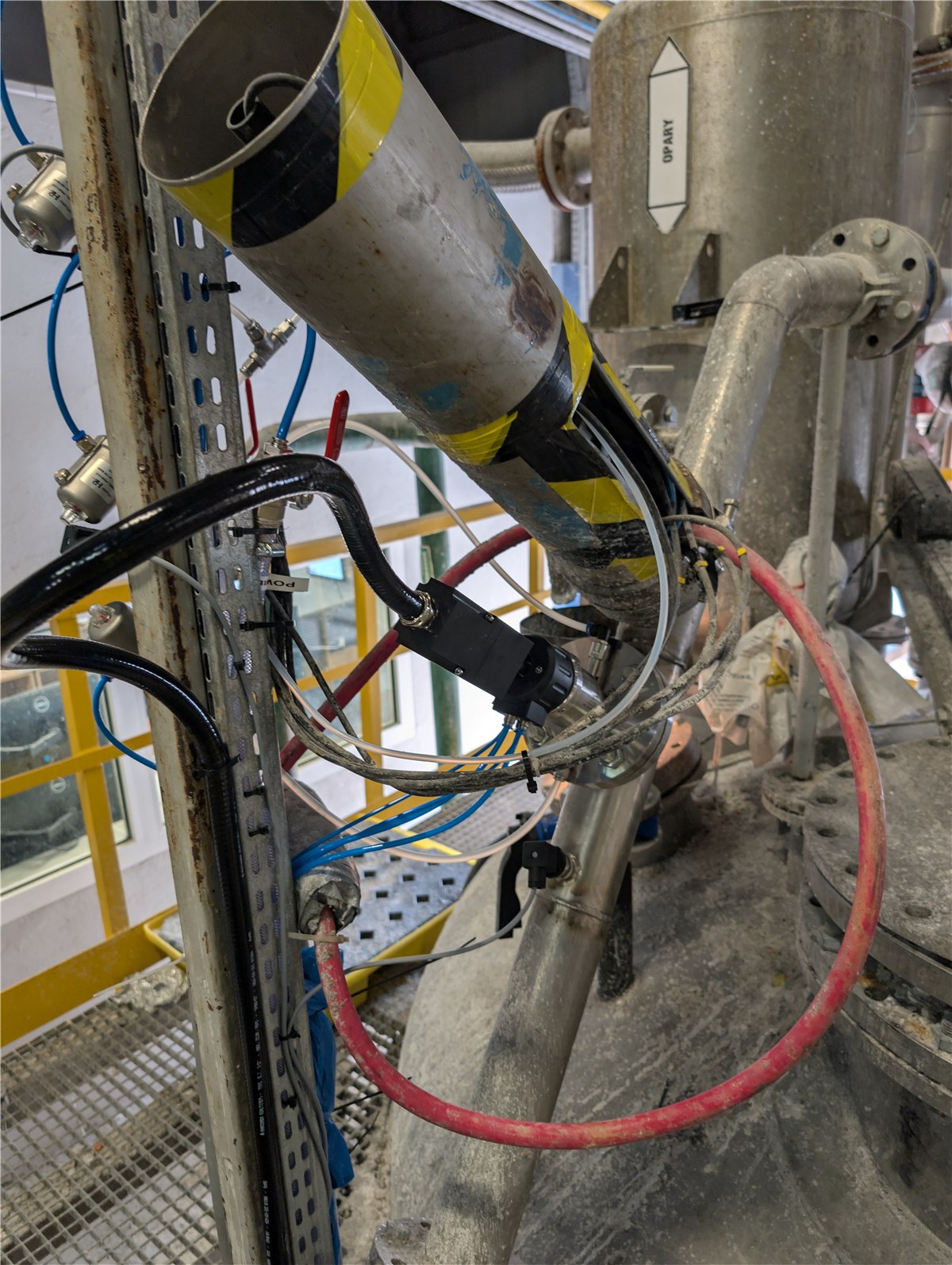
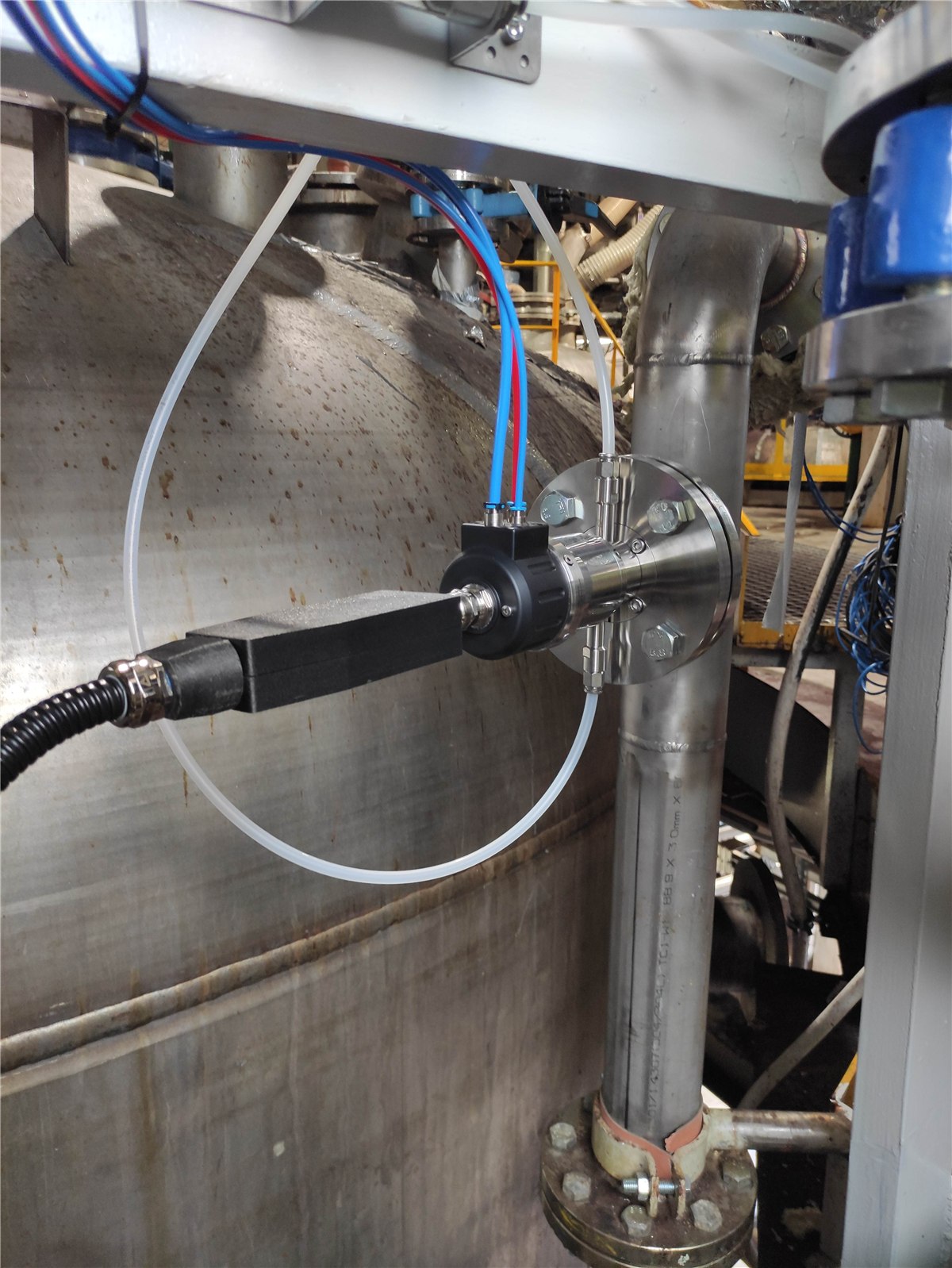
Acid value during esterification
A feasibility study at a resin producer (client anonymized) measured acid value inline with the Spectrally X1 and an immersion probe at 785 nm, no sampling. The CNN model tracked the laboratory acid value at R 0.982-0.998 with a mean absolute error around 0.015 mg KOH/g - a value you steer the endpoint with, in real time versus a 30-60 min ISO 3682 titration.
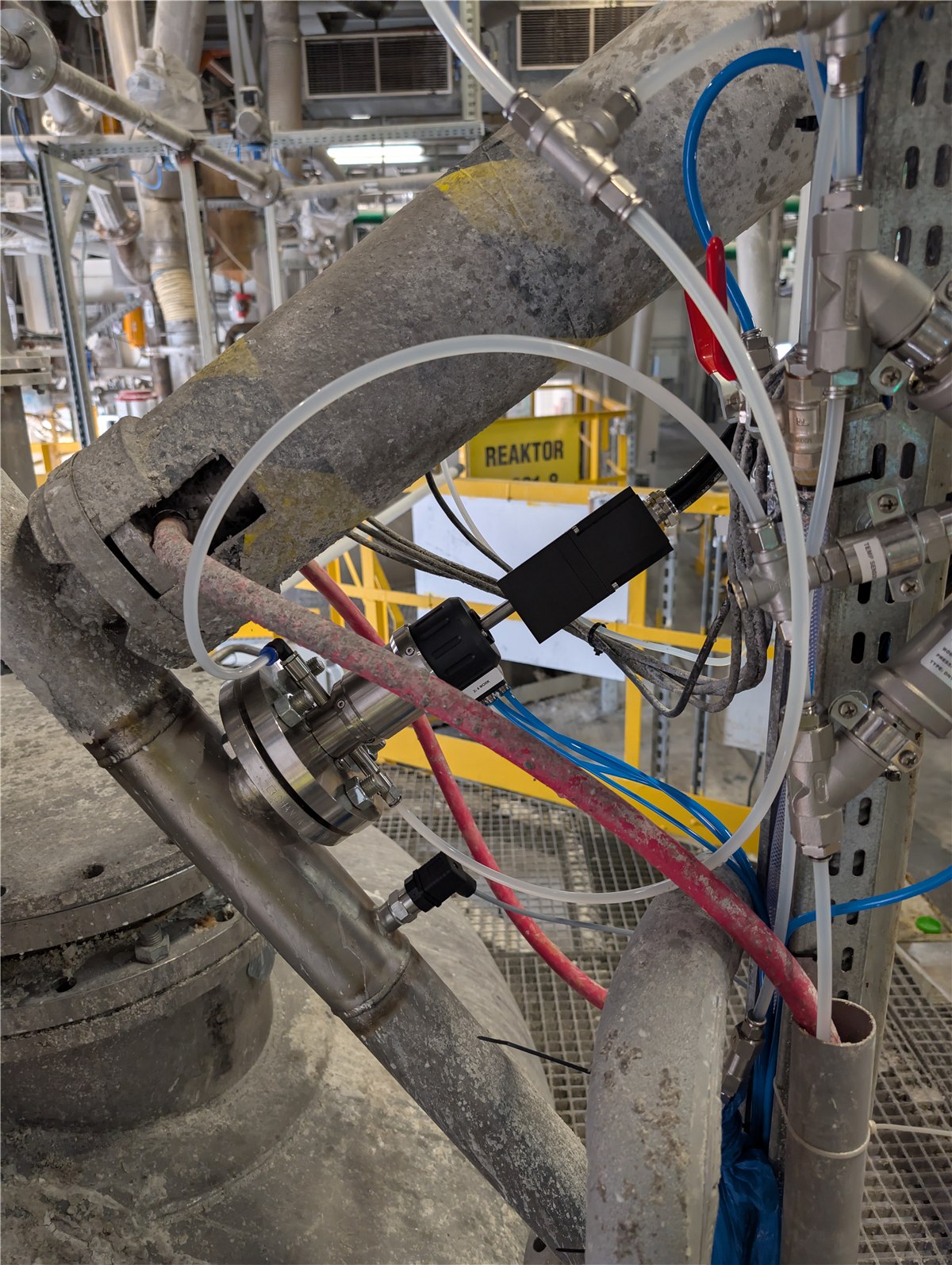
Viscosity across the full reaction
Viscosity came off the same Raman spectrum as the acid value, the regression tracking the reference method at R 0.988-0.998. Two endpoint parameters from one acquisition - the reactor stops on measured data, not on a clock margin.
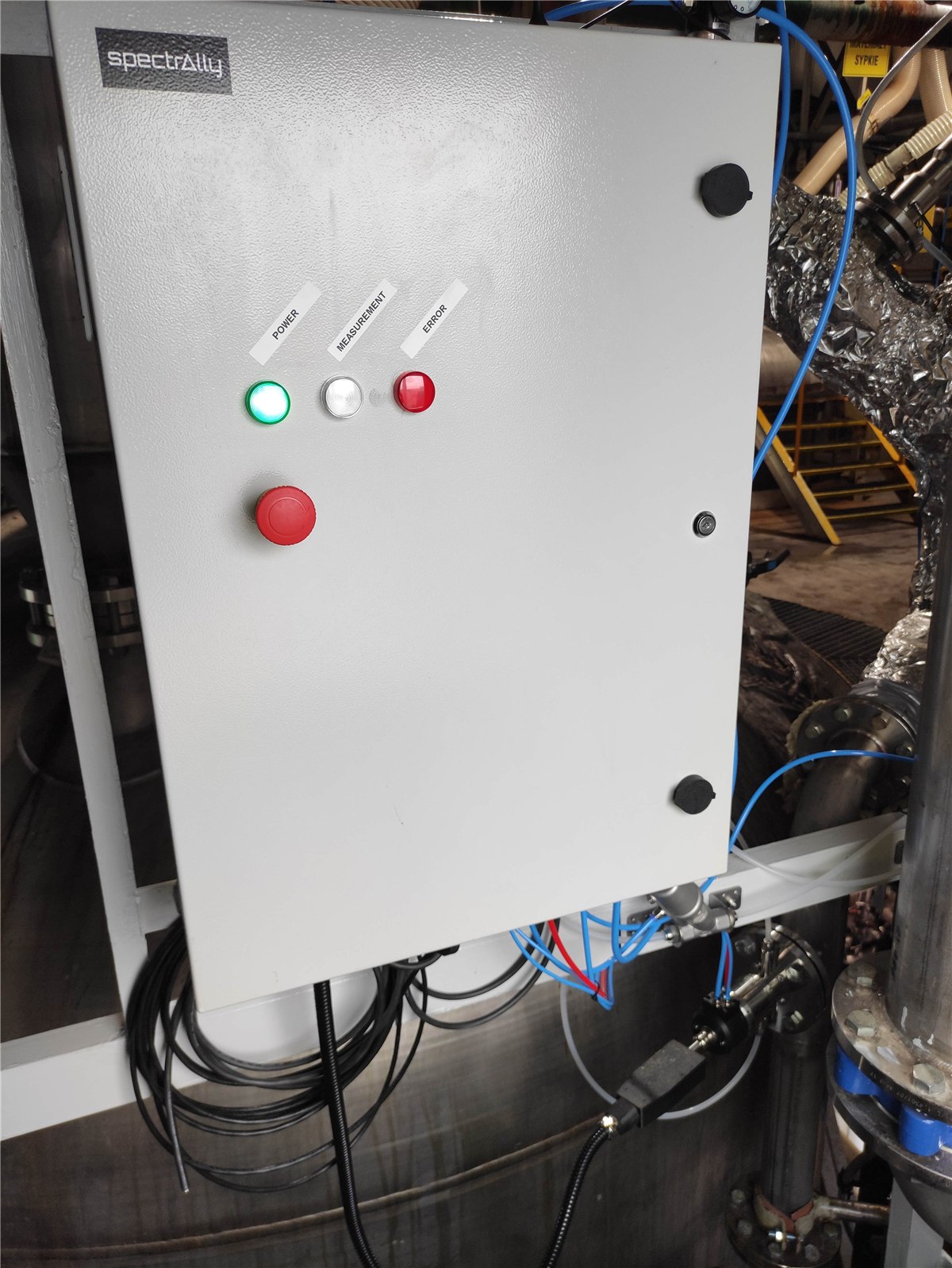
A closed endpoint loop, documented
On phenol-formaldehyde resins - a sibling condensation chemistry running on the same Spectrally platform - a documented reference closed the endpoint loop inline: roughly 6.5 months payback, about 180,000 EUR saved a year, raw-material losses down 10% and batch variability held under 1.5%. Cited here as the PF resins reference point.
What comes off the alkyd critical path
Acrylic resins: conversion and copolymer ratio in one read.
Acrylate and methacrylate copolymers made by emulsion or solution polymerization in a water or organic reactor. The monomer ratio sets the glass transition and the coating properties; the residual monomer left behind is a VOC, odour and regulatory parameter. Both live in the same Raman spectrum - the C=C monomer band read against the polymer bands.
The GC comes back after the reactor has moved on.
Residual monomer by gas chromatography takes 30 to 60 minutes per sample, and the molecular-weight distribution by GPC / SEC takes 60 to 120. Both land after the polymerization has already progressed. The probe reads the conversion where it happens:
- Monomer conversion and residual monomer live from the disappearing C=C band - safety and quality in one number
- Copolymer composition, the monomer ratio that fixes Tg, tracked through the batch
- %Solids / NVM read continuously, not from a single refractometer point
- Grade-to-grade emulsion consistency, provable batch to batch
Residual monomer under Directive 2004/42/EC and the odour and VOC limits it drives becomes a live number instead of a post-batch GC result, and every acquisition adds to a time-stamped composition record for the environmental dossier.
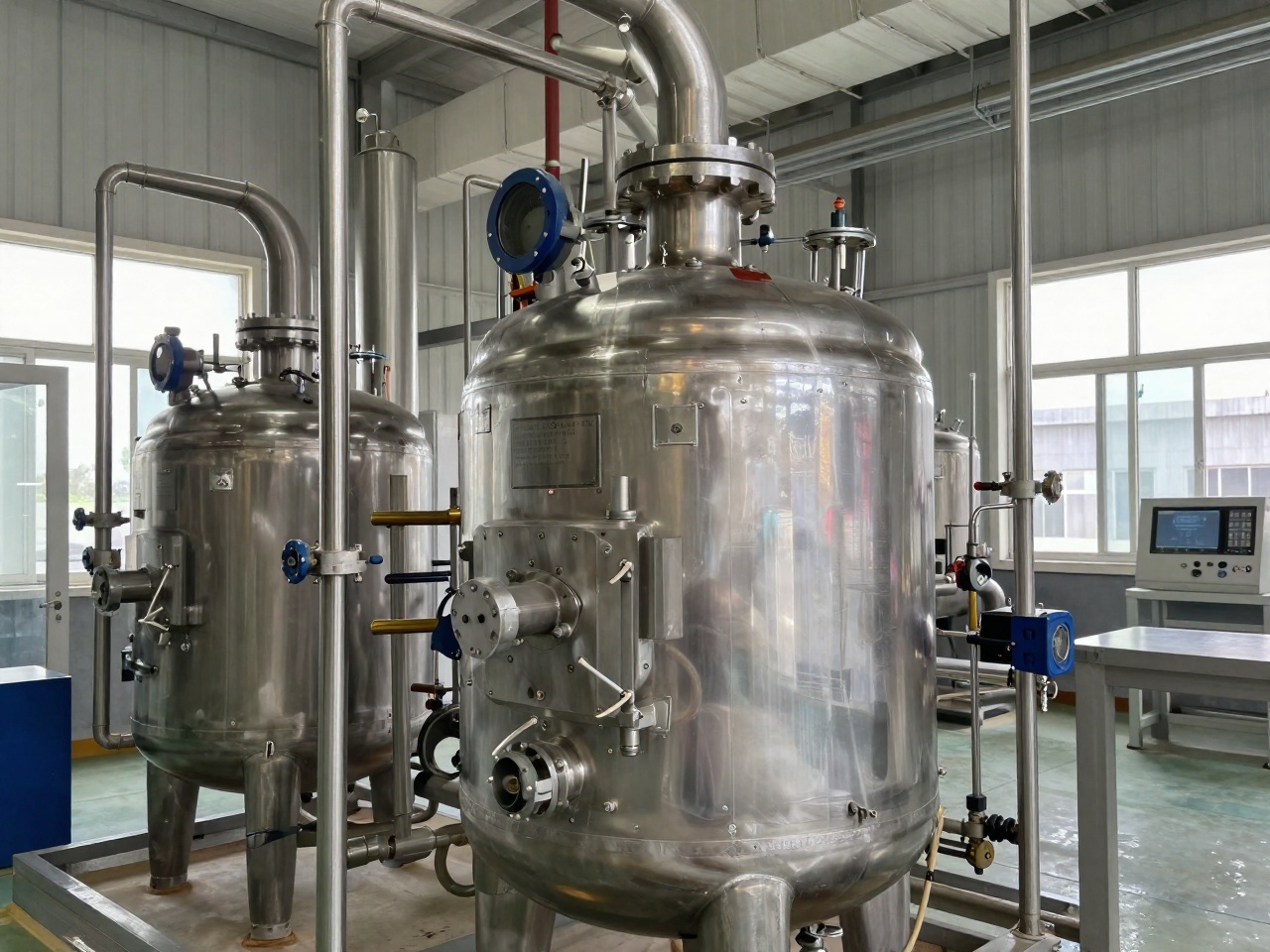
Silicone-organic hybrids: crosslinking watched band by band.
Platinum addition-cure silicone-organic hybrids carrying vinyl groups, used for silicone adhesives, electronics coatings and high-temperature seals. The cure is a crosslinking reaction, and its progress is written directly into two Raman bands that fall as it runs.
Crosslinking read as the vinyl and Si-H bands vanish.
Cure today is judged by observational gel-time, by offline DSC at 30 to 90 minutes, or by rotational viscometry as a proxy - none of them a live read on the chemistry. Raman follows the reaction itself:
- Crosslinking tracked as the vinyl C=C band near 1600 cm⁻¹ disappears
- Si-H consumption followed at the band near 2160 cm⁻¹
- The cure endpoint read from the spectrum instead of a stopwatch or an offline thermogram
The same immersion probe and the same analyzer carry this chemistry - only the chemometric model changes, built and validated on your matrix during feasibility.
What comes off the vinyl-silicone critical path
Three chemistries. The same instrument, the same workflow.
Every reactor above is measured by the same platform: a Spectrally X1 PROBE in the vessel, the Spectrally X1 INLINE analyzer up to 100 m away by fiber, and Spectrally OS turning spectra into process values over PROFIBUS and PROFINET. What changes per chemistry is the chemometric model - built and validated on your matrix during the feasibility study.
One probe family across resins
316L immersion probe, IP67, ATEX / IECEx Zone 0 versions on the 30 mW laser, up to 16 bar, positioned for inline near-process measurement on the reactor. The self-cleaning module retracts and rinses the optics between reads, so fouling drying-oil, pigment and high-solids media stay readable.
A dedicated model per matrix
AI / advanced chemometrics with a CNN core in Spectrally OS, trained on your recipes against laboratory reference values - the benchmark it is measured against is PLS / PCA. Calibration maintains itself from a reference in the probe, and models update without stopping the line.
Values, not spectra, in the control room
Acid value, conversion and ratios arrive as ordinary process tags over PROFIBUS / PROFINET. Every measurement is stored and exportable - CSV, PDF or raw spectra - as a per-batch record for the quality and environmental dossier.
Alkyd, acrylic and vinyl-silicone composite resins - one measurement layer.
CNN model vs laboratory reference, R 0.982 to 0.998, MAE about 0.015 mg KOH/g.
A single Raman acquisition takes from 5 seconds.
ISO 3682 acid-value titration at the top of its range - off the critical path.
Start with your own resin chemistry.
Send representative samples from your alkyd, acrylic or vinyl-silicone process. We build and validate a chemometric model on your matrix in the Gekko lab and report exactly what inline Raman reads on your line - acid value, viscosity, monomer conversion - before any hardware decision.